
Starting your skincare journey can be daunting, especially when it comes to retinol. However, with a bit of guidance, you can unlock the remarkable benefits this ingredient offers for your skin. This informative guide aims to help you understand retinol’s uses and advantages, empowering you to make smart skincare choices.
Quick Answer
Learn retinol for beginners with formulas, examples, and practical steps you can apply immediately.
What is Retinol?
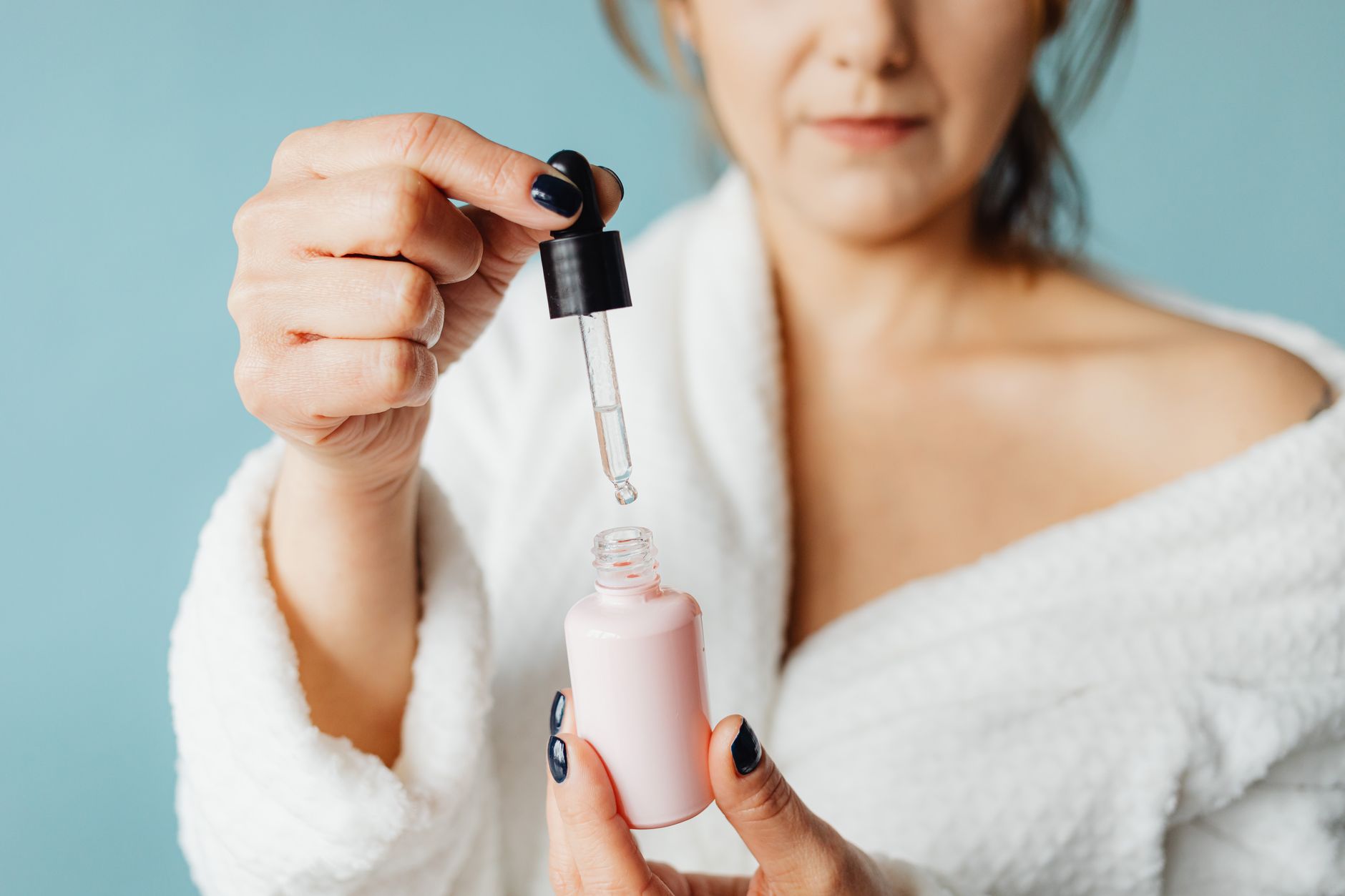
Understanding Retinol and Its Derivatives
Retinol is a derivative of Vitamin A, an essential nutrient that promotes skin health. It falls under the category of retinoids, which comprise various compounds designed to enhance skin texture and tone. Popular derivatives include tretinoin and retinaldehyde, each offering unique benefits and strengths. Understanding these differences can help you choose the right product for your skin type.
How Retinol Works on the Skin
When applied, retinol penetrates the skin and stimulates cell turnover, encouraging the production of new skin cells. This process can help reduce fine lines and wrinkles, improve overall skin tone, and combat acne. Its adaptability makes retinol a staple in many skincare routines. Additionally, retinol can enhance the effectiveness of other skincare products by allowing them to penetrate deeper into the skin.
Benefits of Retinol

Anti-Aging Effects
One of the most celebrated advantages of retinol is its ability to diminish signs of aging. By stimulating collagen production, it can result in firmer, more resilient skin, effectively minimizing fine lines and wrinkles. Regular use can lead to a more youthful appearance, making it a favorite among those looking to maintain their skin’s elasticity.
Acne Treatment
Retinol is also a powerful ally in the fight against acne. It helps unclog pores and decreases the likelihood of breakouts by accelerating cell turnover, allowing your skin to refresh itself more effectively. Additionally, retinol can help fade post-acne marks and discoloration, leading to clearer skin over time.
Improvement of Skin Texture and Tone
Consistent use of retinol can greatly improve skin texture, making it smoother and reducing uneven pigmentation. Many users notice a more radiant and even complexion over time. This improvement can also enhance the effectiveness of makeup application, as smoother skin provides a better canvas.
Accessibility and Affordability
Retinol is available in a variety of formulations, ranging from over-the-counter options to prescription-strength treatments, making it accessible and budget-friendly for many individuals. This wide availability means you can find a product that suits your needs and budget, whether you’re a beginner or looking for something more potent.
How to Start Using Retinol
Choosing the Right Product
Selecting the right retinol product is crucial when you’re just starting out. Below is a table comparing some beginner-friendly retinol options:
| Product | Concentration | Skin Type | Price Range |
|---|---|---|---|
| Neutrogena Rapid Wrinkle Repair Retinol Oil | 0.5% | All Skin Types | $20-$30 |
| Olay Regenerist 24 Retinol 24 Night Moisturizer | 0.5% | All Skin Types | $30-$40 |
| The Ordinary Retinol 0.2% | 0.2% | Sensitive Skin | $10-$15 |
| La Roche-Posay Redermic R Retinol Cream | 0.3% | All Skin Types | $35-$50 |
Gradual Introduction to Use
To minimize potential irritation, it’s best to introduce retinol into your routine gradually. Start with a lower concentration and apply it once or twice a week, increasing the frequency as your skin becomes accustomed to it. For instance, you might begin with a product like The Ordinary Retinol 0.2% applied once a week, then move to twice a week after two weeks.
Application Method
Use a pea-sized amount of retinol and apply it to clean, dry skin. Make sure your skin is completely dry to help reduce the risk of irritation. Follow up with your moisturizer for added hydration. If you have sensitive skin, consider applying a barrier cream before the retinol to help buffer its effects.
Timing of Use
It’s recommended to apply retinol at night, as it can make your skin more sensitive to the sun. Always apply a broad-spectrum sunscreen during the day when using retinol products. For optimal results, consider a nighttime routine that includes cleansing, applying retinol, and finishing with a nourishing moisturizer.
Common Side Effects and Management
Irritation and Dryness
Some users may experience irritation, redness, or dryness when they first start using retinol. These side effects are common as your skin adjusts to the ingredient. It’s important to recognize that these reactions often subside after your skin adapts.
Adjusting Application
If you encounter irritation, consider applying retinol every other night or mixing it with your moisturizer to lessen its potency. This method, known as “buffering,” can help your skin adjust more comfortably to retinol.
Consultation with Professionals
If irritation persists, it’s wise to consult with a dermatologist or skincare expert for tailored advice and possible modifications to your regimen. They can recommend specific products and concentrations based on your skin type and concerns.
Best Practices for Incorporating Retinol into a Skincare Routine
Layering with Other Products
When using retinol, be cautious with other active ingredients in your skincare routine. Pairing retinol with soothing elements like hyaluronic acid can help alleviate dryness. For example, using a hydrating serum containing hyaluronic acid after applying retinol can lock in moisture and enhance your skin’s hydration levels.
Avoiding Overlapping Actives
It’s best to refrain from using retinol alongside other potent actives, such as AHAs (like glycolic acid) or BHAs (like salicylic acid) on the same nights to reduce irritation risk. Instead, consider alternating nights for these products to maintain the benefits without overwhelming your skin.
Regular Monitoring of Skin Reactions
Pay close attention to how your skin reacts to retinol and adjust your routine accordingly. This includes watching for any signs of irritation. If you notice excessive redness or peeling, it may be a sign to scale back your usage.
Tailoring to Skin Types
Each skin type may respond differently to retinol. Those with sensitive or reactive skin should start with lower concentrations and consider products formulated specifically for sensitive skin. For oily or acne-prone skin, higher concentrations may be more effective, but always proceed with caution.
Common Mistakes When Using Retinol
Using Too Much Product
One of the most common mistakes is applying too much retinol. A pea-sized amount is sufficient for the entire face. Using more does not equate to faster results and can lead to increased irritation.
Not Using Sunscreen
Failing to apply sunscreen during the day is another frequent oversight. Retinol can make your skin more sensitive to UV rays, increasing the risk of sunburn and damage. Always use a broad-spectrum sunscreen with an SPF of at least 30.
Discontinuing Use Too Soon
Some users may give up on retinol too quickly if they experience initial irritation. Remember that it can take several weeks to see results, so patience is key. If irritation persists beyond the initial adjustment period, consult a professional.
Mixing with Incompatible Ingredients
Many users mistakenly combine retinol with strong exfoliants or acids on the same nights, leading to increased irritation. Stick to a simple routine that allows your skin to adjust to retinol before introducing additional active ingredients.
Frequently Asked Questions
What is the best percentage of retinol for beginners?
Beginners should ideally start with lower concentrations of retinol, typically between 0.25% and 0.5%, to minimize any potential irritation.
Can I use retinol every day?
At first, it’s advisable to use retinol 1-2 times a week, gradually increasing the frequency as your skin builds tolerance. Once your skin is accustomed, you may be able to use it every night.
What should I avoid when using retinol?
Avoid pairing retinol with other strong actives like AHAs, BHAs, or Vitamin C on the same nights to help reduce irritation. Instead, consider using these products on alternate days.
How long does it take to see results from retinol?
Most users can expect to see noticeable improvements in skin texture and tone within 4 to 12 weeks of consistent retinol use. Results may vary based on individual skin types and concerns.
Can I use retinol with other skincare actives?
Yes, but it’s important to exercise caution; it’s best to avoid using strong actives on the same nights to minimize the potential for irritation. Always consider your skin’s response and adjust accordingly.
Retinol Usage Checklist
To ensure a smooth transition into using retinol, consider the following checklist:
- Start with a low concentration (0.2% to 0.5%)
- Introduce retinol gradually (once or twice a week)
- Apply at night on clean, dry skin
- Use a pea-sized amount for the entire face
- Follow with a moisturizer to prevent dryness
- Use sunscreen during the day to protect your skin
- Monitor your skin’s response and adjust usage as needed
- Consult with a dermatologist if irritation persists
Conclusion
When introduced thoughtfully, retinol can significantly enhance your skincare routine. Start slowly, keep an eye on your skin’s reactions, and don’t hesitate to consult a dermatologist if any issues arise. For more information, explore our articles on acne treatments and sun care tips to further enrich your skincare journey. Remember, the journey to healthy skin is a marathon, not a sprint; consistency and care are key.
Additional Resources
If you’re interested in furthering your knowledge about skincare, consider checking out our articles on the benefits of Vitamin C and the importance of hydration. These topics complement your understanding of retinol and can help you build a comprehensive skincare routine.
Final Thoughts
Retinol is a powerful tool in your skincare arsenal, but like any potent ingredient, it requires respect and understanding. With the right approach, you can harness its benefits for a brighter, smoother, and more youthful complexion. Take your time, listen to your skin, and enjoy the journey to healthier skin.
Sources
Disclaimer
This article is for educational purposes only and is not medical advice. If you have severe irritation, eczema, rosacea, acne, allergies, or a persistent skin condition, consult a dermatologist before changing your skincare routine.