
All Guides

Can Sensitive Skin Use Exfoliating Acids?
It’s not unusual for someone with sensitive skin to pause before reaching for any product promising exfoliation—especially if…

How to Patch Test a New Product
You stand in front of the bathroom mirror with a new bottle—moisturizer, serum, sunscreen—wondering if your face will…

Can Sensitive Skin Use Retinol?
The question isn’t “Is retinol good for sensitive skin?”—it’s whether it makes sense to invite it into your…

Can Sensitive Skin Use Vitamin C?
Skip the usual hype—if your skin stings at the drop of a hat, vitamin C might not be…

Why Does My Skin Sting After Skincare?
It’s unsettling when your face stings one step into your skincare routine. You’ve just cleansed, or smoothed on…

Why Is My Skin Suddenly Sensitive?
You’re standing at the bathroom mirror, and your skin is giving you a new problem—stinging, redness, irritation, even…
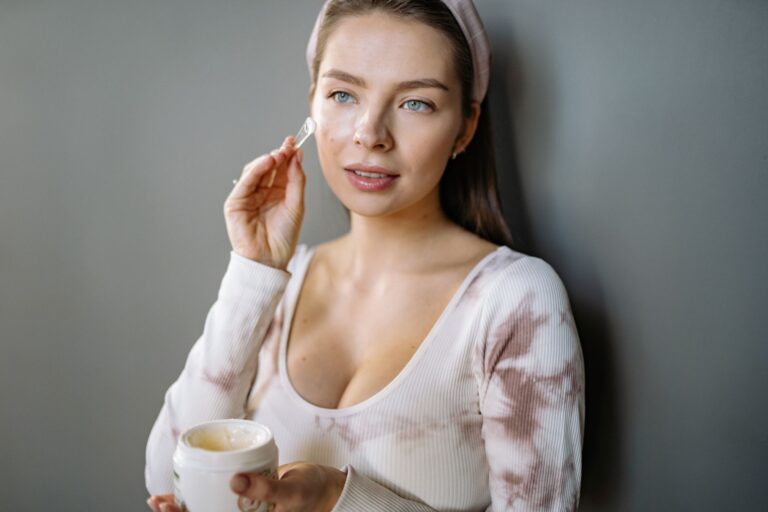
Why Does My Skin Burn When I Apply Moisturizer?
If your moisturizer burns when you use it, the single most useful move is to pause—the answer’s almost…

Best K-Beauty Barrier Repair Products
Your skin stings after a gentle cleanse. Moisturizer leaves a prickle, or maybe every product in your K-beauty…
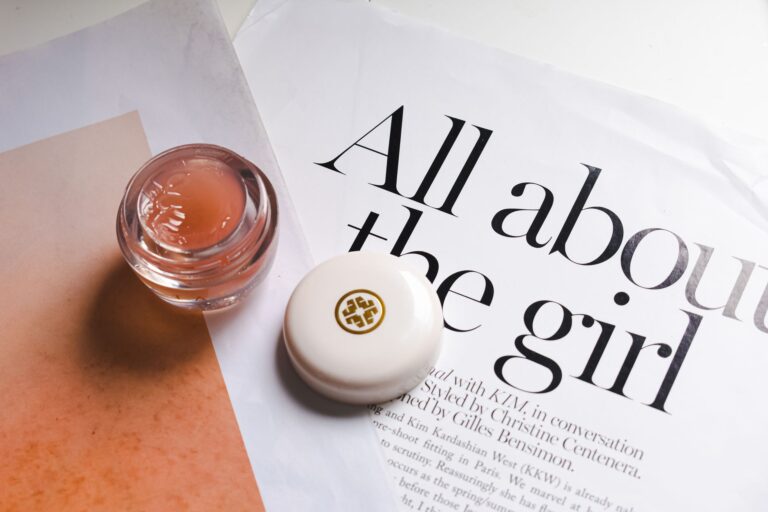
Best French Pharmacy Barrier Repair Products
If you’re here, you’re probably already dealing with the kind of skin problems that turn “barrier repair” from…

Simple 3-Step Barrier Repair Routine
If you’re here, you probably aren’t looking for a checklist. You’re hunting for something workable—tonight, not after a…

Dehydrated Skin vs Dry Skin: Which Is Better for Sensitive Skin?
If you have sensitive skin, you’re probably already wary of anything that turns a routine into a guessing…
How to Build a Barrier-Friendly Routine
The most common hesitation I hear from sensitive-skin readers isn’t about which cleanser to use or what moisturizer…
How to Recover from Over-Exfoliation
You probably didn’t plan to be standing at the mirror with cheeks burning, nose stinging, and the towel…

Skin Barrier vs Moisture Barrier: Which Is Better for Sensitive Skin?
If you have sensitive skin—patches of redness, stinging, or tightness that seem to come out of nowhere—your search…

Can You Exfoliate with a Damaged Skin Barrier?
A sensitive-skin reader facing a fragile-feeling skin barrier is in a tough spot: should you exfoliate, wait, or…

Over-Exfoliation Signs
If your skin suddenly feels prickly, looks raw, or seems to react to everything after you’ve updated your…

What to Stop Using When Your Skin Barrier Is Damaged
Your skin feels raw, maybe stings when you put anything on, and products that used to help now…
Can You Use Retinol with a Damaged Skin Barrier?
Choosing what to do with retinol when your skin barrier feels off is less about ingredient theory and…
Best Cleansers for Damaged Skin Barrier
If your skin suddenly feels tight, stings when you rinse, or flushes red around the edges after cleansing,…

Best Serums for Damaged Skin Barrier
It’s a strange kind of frustration: your skin suddenly feels raw, flaky, and unpredictable, and you’re squinting at…

Best Ingredients for Skin Barrier Support
If you’re standing at your bathroom counter, weighing the options in your medicine cabinet—wondering whether to reach for…
Best Moisturizers for Damaged Skin Barrier
Your skin feels raw, stinging, or flaking—and every moisturizer in your bathroom seems like a gamble. If you’re…
What Causes a Damaged Skin Barrier?
If you’re reading this because your face feels tight or stings in new places, and you’re quietly asking,…

How Long Does Skin Barrier Repair Take?
If you’ve ever found yourself standing in your bathroom, staring at a red patch or feeling that familiar…

Skin Barrier Repair Routine
It’s easy to wonder: has my skin barrier actually reached a point where it needs a “repair routine,”…
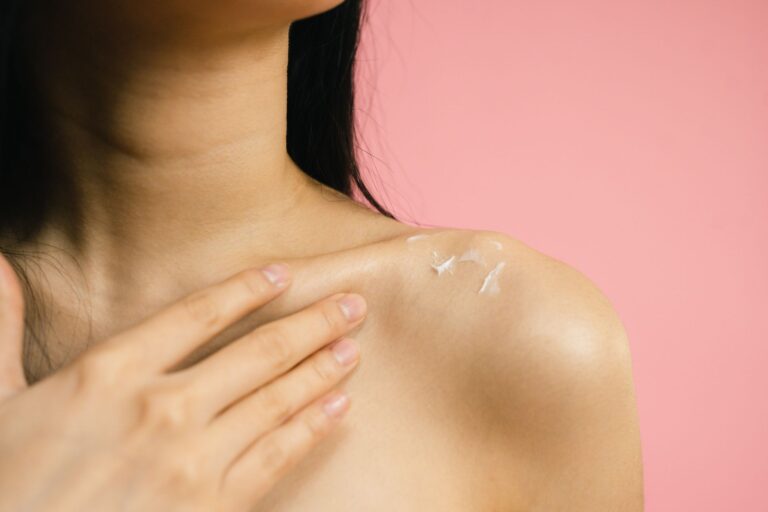
Damaged Skin Barrier Signs
Noticing actual signs of a damaged skin barrier can feel like a maze—especially if your skin is already…
Can You Use Vitamin C with Retinol?
Your routine finally calmed down. No more red, flaky patches from retinol. Things are predictable—basic, even. Now you’re…

Beginner Routine for Redness-Prone Skin
Your face flushes when you wash it. Moisturizers meant to “calm” the skin leave new red patches behind.…
Retinol Sandwich Method
The retinol sandwich method keeps popping up as a possible answer for sensitive, irritation-prone skin. Most readers looking…
Can You Use Niacinamide with Retinol?
You’re probably looking at a retinol tube and a niacinamide bottle, wondering if stacking them is smart—or just…

Tranexamic Acid for Beginners
If you have sensitive skin and are reading about tranexamic acid, you might already be wondering whether adding…
PHA Exfoliants for Sensitive Skin
Maybe you’re standing at your bathroom sink, feeling a little trapped between the uncomfortable flakes that keep showing…

Urea in Skincare
You’re standing in front of the mirror, eyeing dry, rough patches that plain moisturizer won’t touch. You’ve read…

Zinc PCA in Skincare
You’re staring down the latest suggestion for temperamental, reactive skin: Zinc PCA. Some brands pitch it as a…
Green Tea in Skincare
You’re staring at a bottle—serum, mist, maybe that “calming” toner with green tea shouting from the label. Skin…

Aloe Vera in Skincare
A reader with skin that’s easily irritated is rarely looking for another miracle soothing ingredient. The real question…
Colloidal Oatmeal in Skincare
If you’re staring at your current lineup of creams and wondering whether adding colloidal oatmeal makes any real…

Madecassoside in Skincare
If you’re here, you’re already weighing whether madecassoside deserves a place in your routine—or if it’s simply the…

Allantoin in Skincare
Sometimes a new “soothing” ingredient feels like one more thing to chase, especially for readers who are already…

Can You Use Centella with Retinol?
If you have sensitive or reactive skin and retinol is a regular part of your routine, you might…
Can Azelaic Acid Be Used Every Day?
Most sensitive-skin routines come down to one real question: can you trust your skin to handle something new,…

Can Peptides Irritate Skin?
If your skin is easily rattled, deciding whether to start using peptides rarely comes down to a tidy…

Can Squalane Break You Out?
If you’re stuck holding a bottle of squalane, eyebrows raised, because your face is newly unpredictable, it’s not…

Can Glycerin Clog Pores?
You’ve got a bottle of serum or toner in one hand, the ingredient list in the other, and…

Can Vitamin C Irritate Sensitive Skin?
You’re probably here because you’ve heard vitamin C can do wonders for skin tone—or maybe you’ve been told…
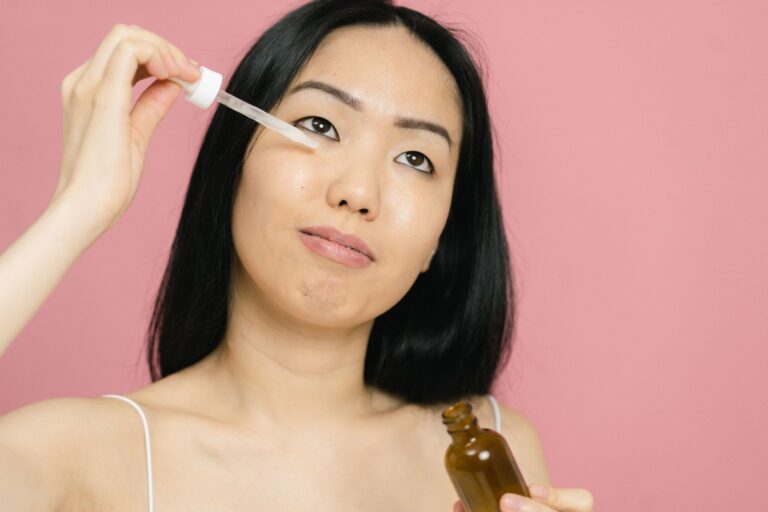
Can Retinol Damage Your Skin Barrier?
Retinol does not automatically damage the skin barrier, but it can absolutely push a fragile barrier too far.…

Can Ceramides Break You Out?
Ceramides are usually talked about as barrier-friendly, so a breakout after starting a ceramide cream feels unfair. It…
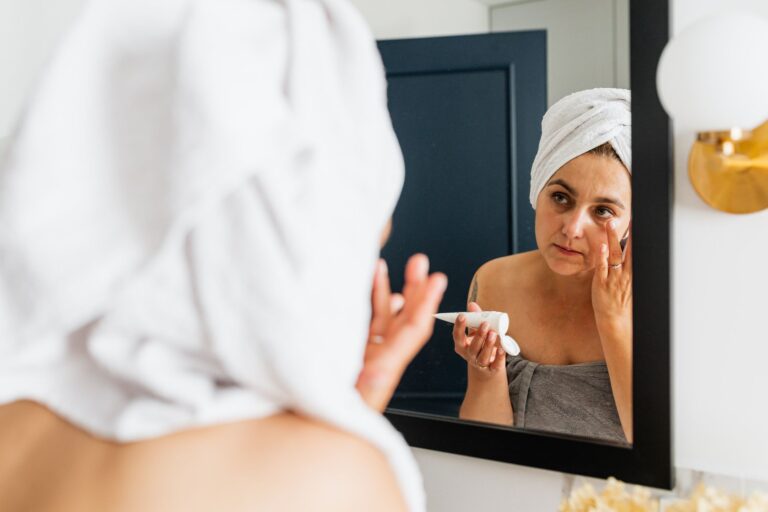
Can Hyaluronic Acid Dry Out Skin?
Hyaluronic acid gets sold as the safe hydration ingredient, which is why the tight feeling can be so…

Can Niacinamide Irritate Sensitive Skin?
Niacinamide has a gentle reputation, so it is frustrating when it is the product that makes your face…
Ingredients to Avoid When Your Skin Barrier Is Damaged
If your face is in that tight, shiny, easily-stung phase, I would stop treating it as a normal…

Can You Use AHA and BHA Together?
Yes, AHA and BHA can live in the same skincare routine. That does not mean they need to…
Comedogenic Ingredients
Comedogenic ingredients are frustrating because the word sounds more precise than real skin usually is. A formula can…
How to Read Skincare Ingredient Lists
The first thing I would do with a skincare ingredient list is stop trying to read it like…
Occlusive vs Humectant vs Emollient
Occlusive, humectant, and emollient sound like three words invented to make moisturizer shopping less friendly. I would translate…

Hydrating vs Moisturizing: Which Is Better for Sensitive Skin?
Hydrating vs moisturizing sounds like a tiny wording issue until your face feels tight ten minutes after applying…
Barrier Repair Ingredients
Barrier repair ingredients are not glamorous. They are the ingredients you start caring about after your face burns…

Mandelic Acid for Sensitive Skin
Mandelic acid gets called the gentle acid so often that the phrase becomes a little dangerous. Gentle compared…

Lactic Acid for Beginners
Lactic acid is the exfoliant people often try after deciding glycolic acid sounds too intense. That instinct is…

Salicylic Acid for Beginners
Salicylic acid is the ingredient I see beginners overuse fastest. It sounds logical: clogged pores, use the pore…

Bakuchiol vs Retinol: Which Is Better for Sensitive Skin?
Bakuchiol versus retinol is often sold as a gentle-versus-strong choice. That is too neat. Bakuchiol may be easier…

Peptides for Beginners
Peptide skincare is easy to overbuy because it sounds scientific and gentle at the same time. That combination…

Squalane in Skincare
Squalane is one of those skincare ingredients that sounds fancy but behaves pretty quietly. That is part of…

Glycerin in Skincare
Glycerin is not a trendy ingredient, which is exactly why it deserves more respect. It is one of…

Panthenol in Skincare
Panthenol is one of those ingredients I notice more when it is missing. A cleanser feels a little…

Centella Asiatica in Skincare
Centella asiatica is one of the calming ingredients people reach for when their skin feels annoyed. I understand…

Azelaic Acid for Beginners
Azelaic acid is one of the more interesting beginner ingredients because it sits between several concerns: breakouts, redness,…

AHA vs BHA: Which Is Better for Sensitive Skin?
AHA or BHA? I would not start with the acid. I would start with the place on your…

Vitamin C vs Niacinamide: Which Is Better for Sensitive Skin?
Vitamin C versus niacinamide is one of those comparisons that sounds more dramatic online than it feels in…

Retinol vs Retinal: Which Is Better for Sensitive Skin?
Retinol versus retinal is not a personality test. It is a pacing decision. Both are retinoids. Both can…

Niacinamide vs Hyaluronic Acid
Niacinamide and hyaluronic acid are both common enough that you may already be using them without noticing. That…

Ceramides vs Peptides: Which Is Better for Sensitive Skin?
Ceramides versus peptides is a comparison that often goes off track because the two ingredients are trying to…

Niacinamide for Sensitive Skin
Niacinamide is one of those ingredients that gets recommended for almost everything: redness, oiliness, pores, barrier support, uneven…

Hyaluronic Acid for Sensitive Skin
Hyaluronic acid is not the exciting part of a routine. It is the water step. Useful, sometimes lovely,…

Ceramides in Skincare
Ceramides are not exciting in the way a new acid or brightening serum is exciting. They are more…

Retinol for Beginners
Retinol is one of those ingredients people treat like a personality test. Start strong, push through, prove you…

Vitamin C for Beginners
Vitamin C is one of the easiest ingredients to buy too early. The promise is tempting: glow, uneven…
Frequently Asked Questions
Which ingredients are often gentle?
Ceramides, glycerin, panthenol, and mineral sunscreen filters are common in sensitive-skin formulas.
Should I avoid fragrance completely?
If your skin reacts easily, fragrance-free labels are a practical starting point.
How do I compare ingredient lists?
Look at the first several ingredients, patch test new products, and introduce one change at a time.