
The question isn’t “Is retinol good for sensitive skin?”—it’s whether it makes sense to invite it into your own routine when redness, flares, or unpredictable reactions are already part of daily life. The truth is, there’s no tidy yes or no. Real-world sensitive skin doesn’t fit into smooth, stepwise routines or claim-proof tables, and that includes the fraught decision of adding retinol.
Quick Answer
Learn can sensitive skin use retinol? with sensitive-skin guidance, routine examples, ingredient cautions, and practical next steps.
If Your Skin Reacts to Almost Everything: Is Retinol Worth Trying?

Let’s get specific. If you’re the kind of reader who gets a flush or stings from almost any new product—yes, even “gentle” creams—the promise of a beginner retinol can be tempting. Skincare aisles are full of soft-sounding options: ‘starter’ strengths, micro-encapsulated formulas, soothing claims. But none of these are foolproof. Even lower percentages, marketed as beginner-friendly, can trigger surprise flares.
Here’s the uncomfortable reality: some sensitive skin simply will not tolerate any retinol, no matter the claims. A mild patch test might feel fine, yet a few full-face applications later, the story can change—a bright, angry flush, paradoxically drier patches, or set back recovery for weeks. This isn’t rare. I would hesitate to suggest anyone with a track record of reacting to nearly every new product introduce retinol unless their skin has been calm, irritation-free, and stable for at least a few continuous weeks. If you are cycling through flare-ups, it’s reasonable (and sometimes the best judgment) to focus on barrier care and revisit retinoids another year. Simpler routines are often undervalued.
Managing Retinol Decisions During Flares, Allergies, or Compromised Skin
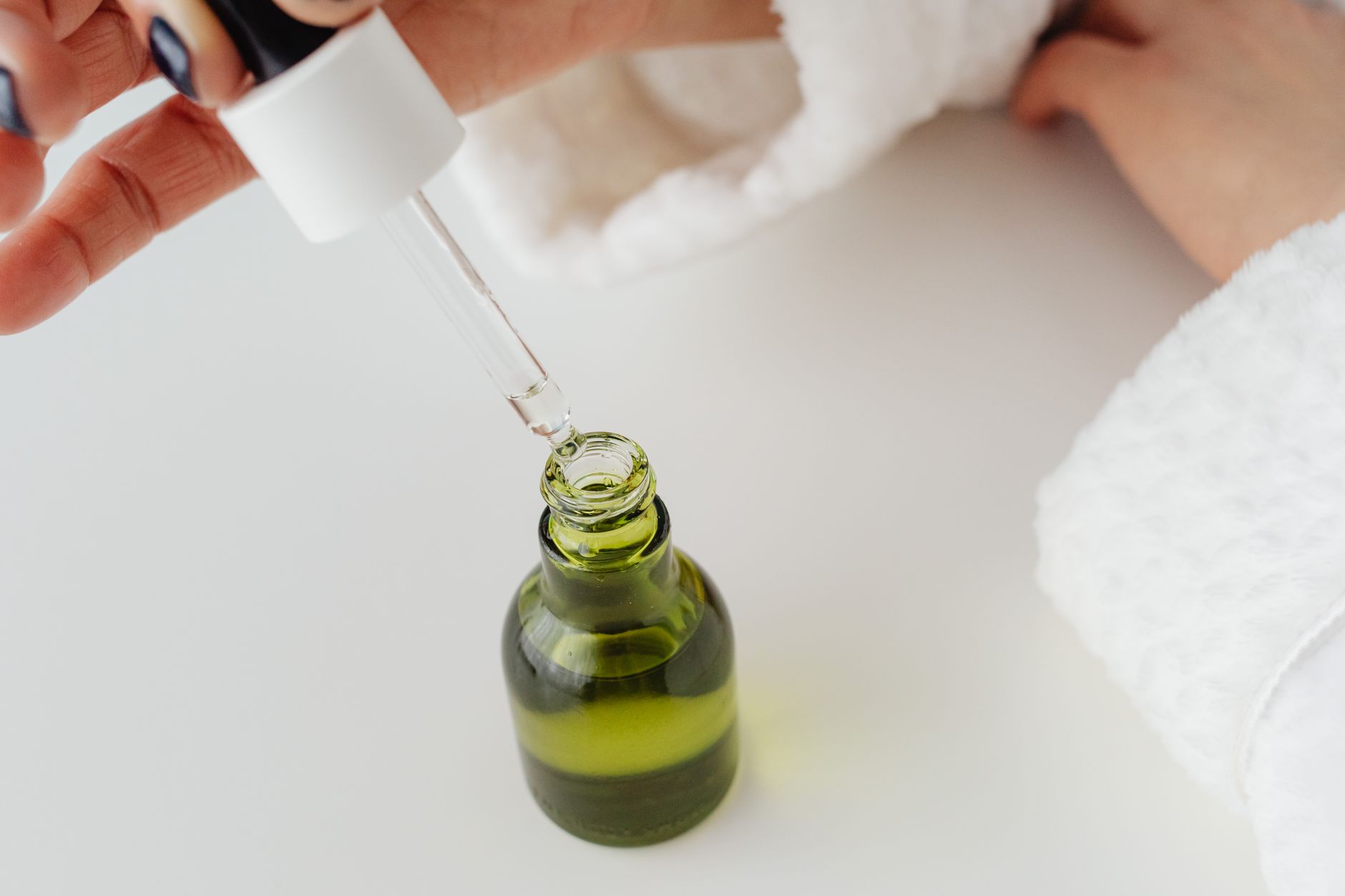
Picture this: your skin is mid-eczema flare, peeling after windburn, or highly reactive from a pollen-filled spring. Is this a time to consider retinol as an experiment? For sensitive skin, the answer is nearly always no. During these periods, the priority is calming and barrier repair. Retinoids—by design—challenge the skin’s resilience, and adding them in the midst of damage or recovery will rarely end well.
If you already use prescription steroids or other strong topicals for eczema or rosacea, I’d personally recommend setting aside new actives entirely until your skin feels almost boringly stable for an extended period. Retinol can wait; healthy skin should come first. There’s no rush to join the anti-aging race if your face is in survival mode. Sometimes, the bravest move is to stop experimenting altogether—switch back to a plain moisturizer for a month and reassess.
Layering Retinol: Where Does It Fit, and When Should You Skip?
Even among those with sensitive skin who are curious about retinol, one of the most practical questions is where and when to use it within a routine—especially on irritable or “off” days. Some suggest sandwiching retinol between layers of moisturizer or after calming serums, hoping to buffer harshness. This can help, but it’s not a guarantee. For many, even buffered retinol is still too much on an unpredictable day.
There’s a flip side here. Sometimes, despite cautious layering, retinol simply doesn’t belong in the routine that night—say, after a hot shower, wind exposure, or on days when your skin seems “off” even if you can’t pinpoint why. A skipped night or an entire skipped week isn’t cheating the process. It’s respecting what your face is telling you.
Weighing Retinol if You’re Already Using Other Actives
If your current routine features other strong actives—like Vitamin C, exfoliating acids, or prescription treatments—tacking on retinol deserves a pause. For sensitive skin, stacking actives increases the risk of barrier cracks, redness, and setbacks. Some try alternating nights or cycling actives, but this can be too much juggling for delicate skin.
Here’s one honest editorial note: If the main reason for trying retinol is smoothing fine lines or a minor texture tweak, but your skin hits the panic button every time you introduce a change, I see much more value in sticking with a simplified approach. There’s lasting benefit in a steady, irritation-free barrier even if that means forgoing the theoretical perks of retinoids for now.
When Retinol Shouldn’t Be the Priority
Here’s the abrupt truth: if your sensitive skin currently feels unstable, is recovering from a rash, or is under active allergy assault, retinol does not deserve your focus. A few specific times when I would actively avoid retinoids:
- Ongoing barrier recovery after irritation or procedure
- Active flares of eczema, rosacea, or allergy-driven redness
- Current use of steroid creams or calming prescription topicals
Days or weeks like these are for paring back, not piling on. There’s no urgency to introduce actives if your biggest win right now would be symptom-free, comfortable skin. Calm is your best asset and protecting your barrier is more important than chasing incremental anti-aging effects.
When Simplifying the Routine Outweighs Trying Something New
If you’re happy with a minimalist routine and your skin feels consistently stable, you don’t owe yourself a retinol experiment. For redness-dominant sensitive skin, or if your main concern is ongoing irritation rather than aging or texture, retinol sits low on the priority list. There’s no need to upend something that works in pursuit of an uncertain benefit. Recognize that sometimes, less is truly more—especially when sensitive skin is at peace.
Occasionally, a patch of skin might seem fine after a test, but the full-face rollout tells a different story—another reason starter retinol can be overhyped for the especially reactive. Even “gentle” retinoids can surprise you, often when you least expect it. If you know your skin’s limits, trusting that knowledge is the better bet.
Related reading
Sources
Disclaimer
This article is for educational purposes only and is not medical advice. If you have severe irritation, eczema, rosacea, acne, allergies, or a persistent skin condition, consult a dermatologist before changing your skincare routine.