
Yes, you can sometimes use body sunscreen on your face. The better question is whether you will want to use enough of it on your face tomorrow, and the day after that.
Quick Answer
Body sunscreen on your face explained for sensitive skin, including when it works, when it fails, eye sting, acne-prone areas, makeup, and proper testing.
Body sunscreen is often built for larger areas: arms, legs, shoulders, beach bags, family use. Face sunscreen has to survive a pickier environment: eyes, pores, facial hair, makeup, dry patches, and the simple fact that you notice the feel all day.
I would not make this a moral rule. I would make it a comfort test.
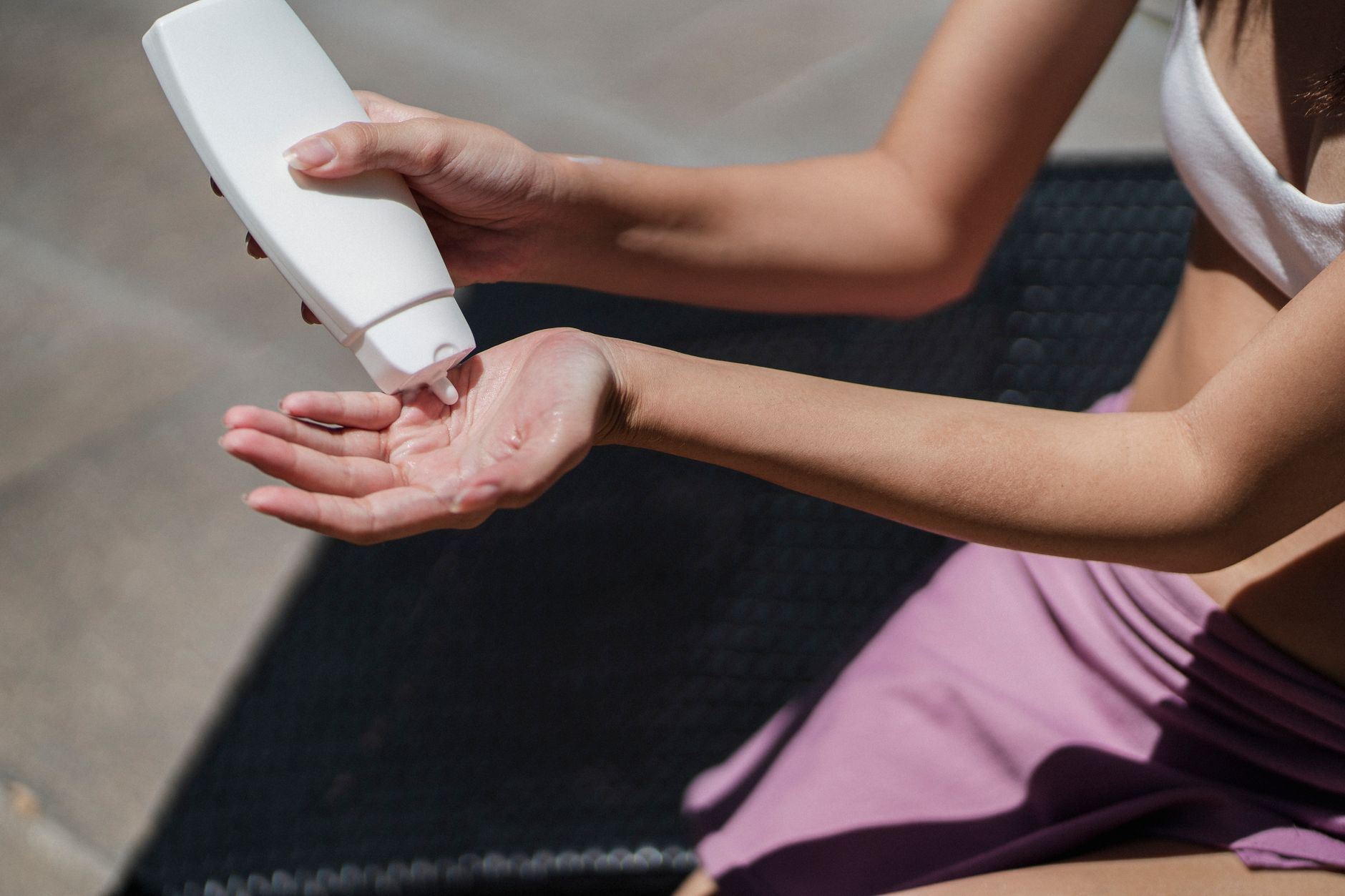
When Body Sunscreen Is Fine
It can be fine if it is broad spectrum, not expired, comfortable near your eyes, and wearable at the real amount. A body sunscreen does not stop being sunscreen because it touched your face.
For a beach day or outdoor chore, using the body sunscreen you have may be better than skipping face SPF because the “face one” is upstairs, empty, or too precious to use generously.
When I Would Not Use It
I would not use body sunscreen on my face if it burns around the eyes, contains fragrance I already avoid, leaves a heavy film that makes me touch my face, or clogs the same areas every time.
I would also be cautious with body sprays on the face. Sprays can be hard to apply evenly, easy to inhale, and tempting to use too lightly. For the face, controlled application matters.
Where It Usually Goes Wrong
The problem is often feel. Body sunscreens may be greasier, heavier, more fragrant, more likely to sting eyes, or less elegant under makeup. Some are great. Some make the face feel coated by breakfast.
If the product makes you use less, avoid the eye area, or skip reapplication, it is not a good face sunscreen for you even if the SPF number is high.

Sensitive Skin Checks
Check fragrance, denatured alcohol, essential oils, heavy texture, and eye sting. Also check whether the product is water resistant; useful outdoors, but sometimes harder to remove at night.
Patch testing is worth doing if your face reacts easily. The patch testing guide can slow the experiment down.
Acne-Prone Skin Checks
For acne-prone facial areas, body sunscreen can be too rich. One use will not prove much. Repeated small bumps in the same zones after several uses matter more.
Try it on one area first. If cheeks are dry but forehead clogs, use different products by zone or keep body sunscreen for the body.
How I Would Test It
Use it on a normal day, not a high-stakes outdoor day. Apply the real face amount. Check eye sting, shine, cast, pilling, and removal. Then decide.
If it passes, great. If it feels awful, that is not failure. That is useful information. For amount guidance, see how much sunscreen to use.
Check removal that night too. A body sunscreen that survives sweat may need a more careful cleanse. If your skin feels tight after removing it, the cleanser may be too harsh or you may be rubbing too much.
Face Sunscreen Is Mostly About Wearability
A dedicated face sunscreen is usually worth it when you need lighter texture, less eye sting, better makeup layering, or a finish that does not make you under-apply.
That does not mean face sunscreen is always more protective. It means it may be easier to wear correctly.
Body Sunscreen Under Makeup
This is where many body sunscreens fail. They may pill, stay shiny, or move foundation around. If makeup matters for your day, test the full stack before relying on it.
If the body sunscreen works bare-faced but not under makeup, keep it for outdoor no-makeup days and use a face sunscreen for makeup days. A split answer is still an answer.
Mineral Body Sunscreen On The Face
Mineral body sunscreens can be useful for people whose eyes dislike chemical filters, but they may leave more cast or feel thicker. If cast makes you under-apply, the mineral body sunscreen is not practical for your face.
For filter tradeoffs, see the mineral vs chemical sunscreen guide.
The Practical Rule
Use body sunscreen on the face when it behaves like a face sunscreen: comfortable, even, removable, and wearable at the proper amount. If it only works in theory, keep it below the neck.
Travel And Backup Use
For travel, body sunscreen can be a useful backup. One big tube is easier than three tiny face bottles, and using it is better than skipping SPF because your preferred product ran out.
Still, I would test it before the trip. Vacation is a terrible time to discover eye sting, breakouts, or a white cast that makes you under-apply.
What If It Works Only Sometimes?
That is normal. A body sunscreen may be fine for gardening, hiking, or a no-makeup beach day and terrible under makeup on a workday.
Skincare does not need one universal answer. It needs the right product for the day you are actually having.
Bottom Line
You can use body sunscreen on the face if it is broad spectrum, tolerable, and wearable at the proper amount. For sensitive skin, the deciding factors are eye comfort, texture, pore behavior, and whether you can remove it gently.
Medical note: ask a dermatologist about sunscreen choices after procedures, with photosensitizing medication, or if you have persistent sunscreen reactions, allergies, rosacea, melasma, or a history of skin cancer.
Sources
Disclaimer
This article is for educational purposes only and is not medical advice. If you have severe irritation, eczema, rosacea, acne, allergies, or a persistent skin condition, consult a dermatologist before changing your skincare routine.