
You stand in front of the bathroom mirror with a new bottle—moisturizer, serum, sunscreen—wondering if your face will tolerate it, or if tomorrow brings a red, bumpy regret. Patch testing seems smart, but you’re already managing sensitivities, treatment routines, and that creeping doubt about when (and if) testing is even worth the effort. Here’s where direct judgment helps: patch testing isn’t all-or-nothing, and sometimes, not patch testing makes as much sense as being thorough.
Quick Answer
Learn how to patch test a new product with sensitive-skin steps, routine examples, ingredient cautions, and patch-test guidance.
Choosing Your Moments: Patch Testing When Skin Is Already Reactive

If your skin is in the middle of a flare-up—or worse, still stinging after a recent reaction—the anxiety about new products peaks. This is actually the moment I would pause all patch testing. Even tiny dabs of something new can backfire when the skin’s already angry. Waiting until things completely settle (no visible redness, no itching, skin feels “normal” again) stacks the odds in your favor, even if it means delaying the urge to try that promising cream.
The urge to fix things quickly or test products that claim to be calming is strong when you’re desperate for relief. But during active irritation, adding variables (even in a small patch) risks unpredictable or exaggerated reactions. In that scenario, I would skip the test and go back to basics. If you’re in this position, “Calm Skin Emergency: What to Do After a Reaction” might feel more useful than pushing ahead with anything new.
Adding a New Serum While Using Prescription Treatments
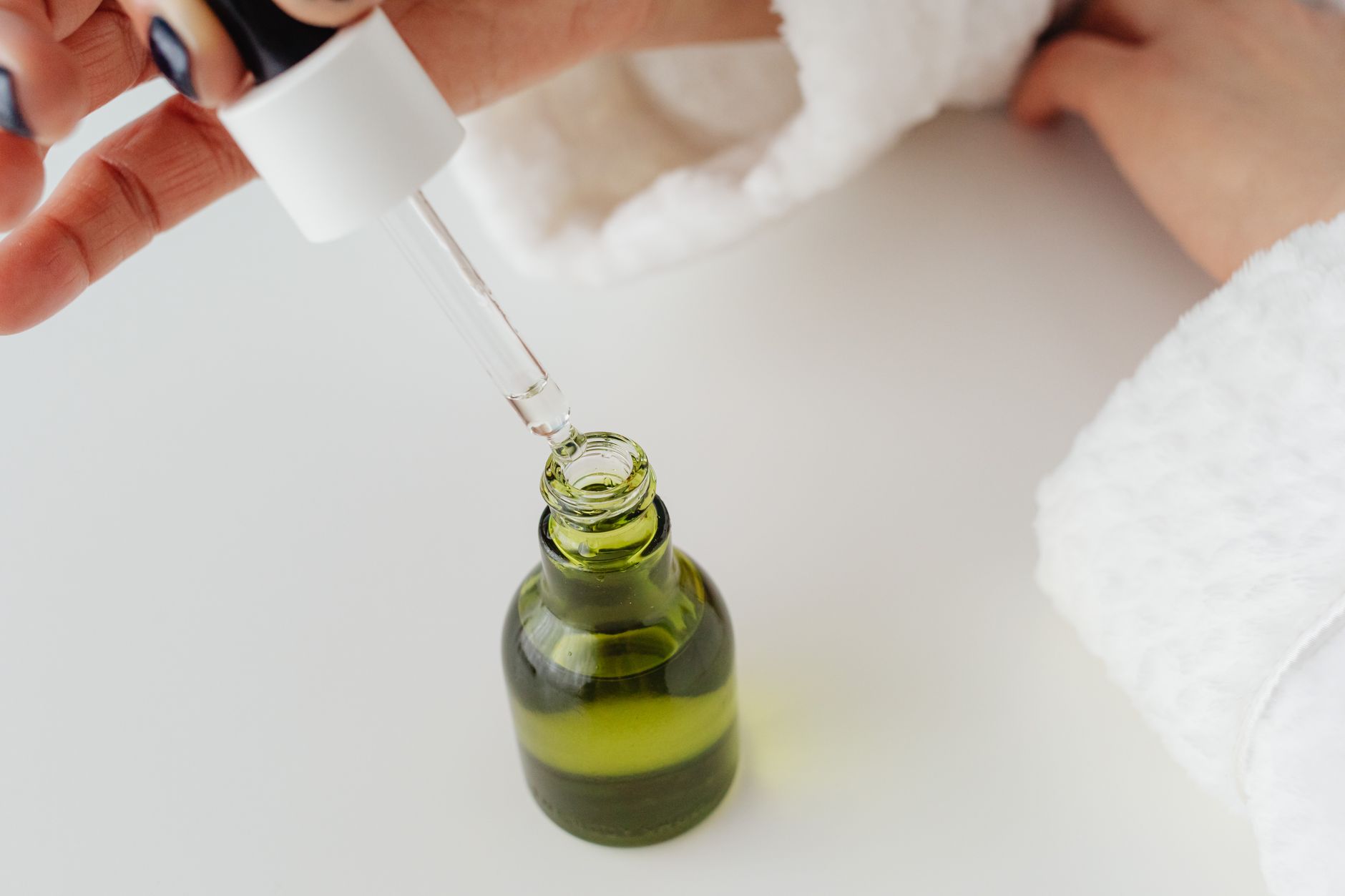
In the real world, many sensitive skin routines involve prescriptions—topicals like tretinoin, azelaic acid, or medicated lotions. Introducing a new serum on top of your active treatment takes care; sensitivities can be masked until they suddenly flare. I recommend testing new serums on areas where you aren’t applying prescription products (like underneath the jawline), and never on days your prescriptions are active. Space things out so each product gets its own moment on your skin, minimizing confusion about what causes what.
It can feel tedious, but I’d avoid testing two or three products at once. When I’m tempted to do just that out of impatience, I remind myself that untangling the source of irritation is ten times harder after the fact. Pick one. Yes, waiting feels slow, especially when routines feel stagnant or you want visible results. But it’s better than dealing with an overlapping, messy reaction where no culprit is obvious.
Taking Shortcuts: When Patch Testing Matters Less
Patch testing isn’t always worth the headache. If the product is a rinse-off cleanser or mask—meant to be on your skin for less than a minute and removed completely—the risk of a dramatic reaction drops considerably. Honestly, I rarely patch test mild cleansers unless my skin is unusually fragile or the formula is dramatically different from what I’m used to.
If your skin is currently calm, stable, and unbothered, you’ve got some leeway. A gentle moisturizer with familiar ingredients, especially from a brand or line you already use, probably doesn’t demand a cautious approach. I might skip patch testing for a “new and improved” version if a quick ingredient check confirms it’s nearly identical to what I already tolerate—especially if I’m not in a high-risk situation, like just before travel or an event.
Patching in Real Life: Timing and Situational Tradeoffs
There’s a classic scenario: your favorite moisturizer is suddenly discontinued, and the store offers an “improved formula”—unfamiliar, but all that’s available. How much testing is enough? If the formula is close to the original and your skin isn’t upset, a quick patch (inner arm, one day) might be enough before moving to your face. But with major ingredient changes, I’d stretch the patch test out. Still, there’s always a risk: patch testing is not perfect. Some reactions show up only with days of regular use, so don’t confuse a “negative” patch with a guarantee.
Sunscreen is another tricky area. Tolerating a sunscreen on your arms or legs does not mean your face will handle it—especially the eyelids or cheeks. The skin’s thinner, more reactive, and sometimes what worked on your body will still trigger redness on your face. A targeted patch (maybe behind the ear, or just along the jawline) can stop a big, visible reaction before it starts. But even then, introduce it gradually, especially if an important event looms.
If you need to use a product before a big occasion or travel and you’re running out of time, go for the smallest, least risky test. Sometimes, that means just using it on a less visible area for two days—better than risking a full-face flare when photos matter.
When Not to Over-Engineer: Simplifying Your Patch Test Strategy
Patch testing can spiral into an elaborate ritual, which isn’t practical if products are mild, routines are stable, or you’re simply swapping one familiar formula for another. Here are situations where I’d personally dial back or skip patch testing altogether:
- The new product is a gentle, wash-off cleanser, not a leave-on treatment.
- Your skin is stable, resilient, and not currently on edge.
- The product is nearly identical in composition to something you already use without trouble.
In these cases, a cautious check of the ingredient label might matter more than dragging out the patch process. If your instinct says “this is low risk and not the focus right now,” trust that. Save your patch-test effort for bigger changes, not every tiny swap.
Final thought: patch testing is a blunt tool, not a lifejacket. If you’re juggling several new products, slow down, strip it back, and make room for your skin to tell you honestly what it thinks. Overcomplicating things does not mean more safety; it often just muddies the water. Pragmatism wins here—even if it’s not perfectly scientific.
Related reading
Sources
Disclaimer
This article is for educational purposes only and is not medical advice. If you have severe irritation, eczema, rosacea, acne, allergies, or a persistent skin condition, consult a dermatologist before changing your skincare routine.