
Body sunscreen is where good intentions go to get sticky. Face sunscreen can be fussy, but at least the area is small. Body sunscreen asks you to cover arms, legs, neck, chest, shoulders, hands, and then somehow sit in a car without feeling glazed.
Quick Answer
A practical guide to body sunscreens, focused on generous application, water resistance, texture, body-area sensitivity, and removal.
For sensitive skin, the best body sunscreen is the one you can use generously without dreading the next application.
Full application, or it does not count
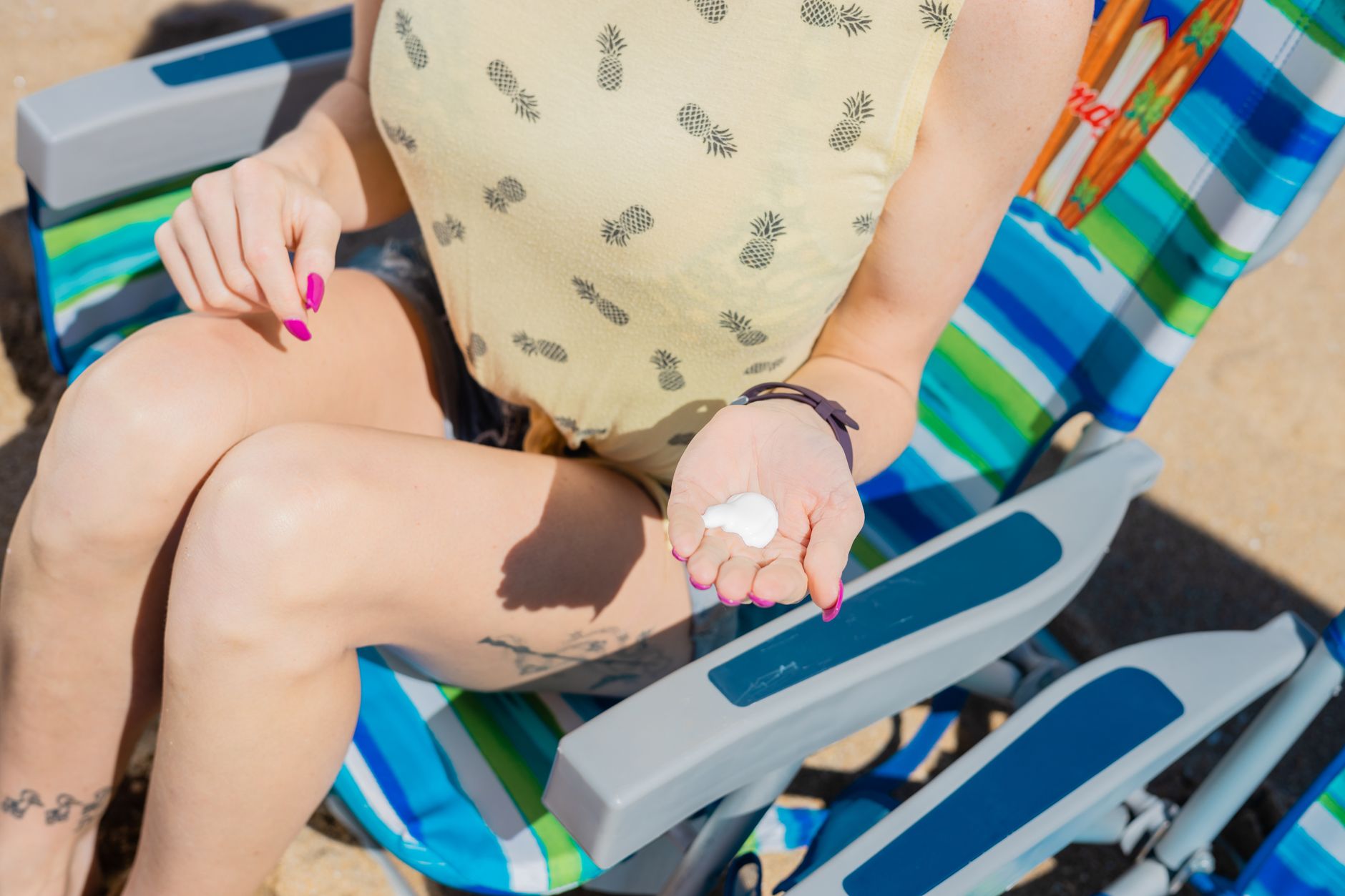
My comparison criteria are spread, stickiness, fragrance, cast, water resistance, texture/use case, and removal. The tiny dab test lies. A sunscreen can feel fine on one forearm and awful when both legs are involved.
Lotion is usually most realistic for full body. Spray is convenient but easy to under-apply. Stick is great for small spots and slow for limbs. None of these formats are automatically best; they just have different annoyances.
I would test with the clothes you actually wear. Sunscreen under sleeves is different from sunscreen on bare arms. Sunscreen under a backpack strap is its own little science project.
Label verification matters: broad-spectrum, SPF level, water resistance, fragrance, active filters, and expiration. Body sunscreen gets used in large amounts, so a small irritant on paper can become a big exposure in practice.
Texture/use case is the second filter. Lotion for full limbs. Stick for small spots. Spray for convenience only if you apply enough. Gel if you hate creaminess. Cream if dry skin needs comfort.
Daily vs outdoor days
The sunscreen for errands does not have to be the sunscreen for swimming. Daily body sunscreen can be lighter and easier. Outdoor sunscreen may need water resistance and better staying power, even if it feels less elegant.
Trying to make one bottle perfect for both jobs often creates resentment. I would rather have a comfortable daily option and a tougher outdoor option than one product I dislike every day.
Fragrance-free gets priority if your skin dislikes scent. Body sunscreen covers a lot of skin, so fragrance exposure adds up quickly.
For kids, sports, beach, or long walks, I would choose function over elegance. For a normal commute, the sticky outdoor formula may be overkill. The day decides.
Where body skin complains
Neck, chest, inner arms, backs of knees. Those areas can react before forearms do. A sunscreen can pass on arms and itch under a collar.
Body acne changes the decision too. Heavy sunscreen, sweat, and tight clothing can be a bad mix. Acne-prone areas may prefer a lighter, cleaner-rinsing formula, while dry legs tolerate something richer.
Neck and chest deserve a separate test because they often react faster than arms. If a sunscreen itches under a collar, that is enough information.
Water-resistant is not forever
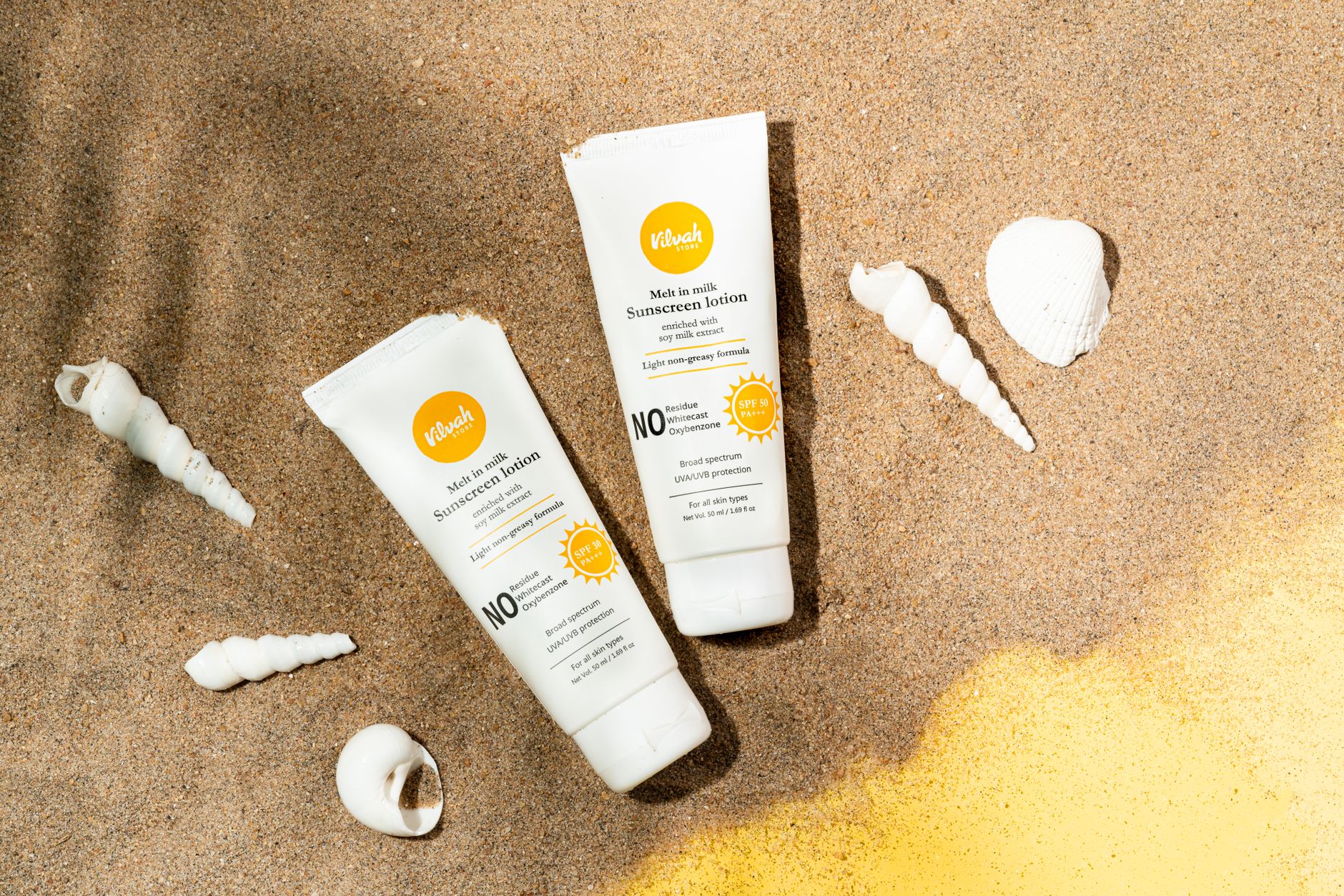
Water-resistant means timed resistance, not magic. Sweat, towels, swimming, and time still matter. Bring enough product so you do not ration it.
Removal matters at night. If a water-resistant sunscreen needs harsh scrubbing, keep it for outdoor days. Sensitive skin usually dislikes heroic cleansing after every normal afternoon.
Hands are easy to forget because they get washed. Reapply after washing if you are outdoors. The backs of hands do not stay protected by optimism.
White cast on body can also change behavior. People use less on arms or avoid legs. If cast makes you under-apply, the sunscreen is not practical, even if the filter choice is theoretically gentle.
How I would test
Apply the real amount on one arm or one leg. Wait. Check stickiness, cast, transfer, and whether clothing clings. Then check removal that night.
For a short outdoor trial, take a walk before trusting it for a long day. Indoor comfort does not always survive sweat.
Removal is part of the score. If the sunscreen needs rough scrubbing, save it for days when water resistance matters. Daily sunscreen should not make the shower a battle.
Do not forget ears, shoulders, and the back of the neck. These spots are easy to miss because you cannot see them well. A product that spreads easily helps because awkward areas get less patience.
If sunscreen transfers badly onto clothes or car seats, you may start using less. That practical annoyance matters. Protection drops when the product trains you to under-apply.
For sensitive skin, I would rather have a slightly plain body sunscreen that gets used correctly than a fancy one you ration. Full amount beats elegant scarcity.
Keep the bottle somewhere visible before outdoor time. Sunscreen forgotten in a cabinet does not protect anyone.
Reapply before the skin starts to feel hot, not after. Waiting until you are already sticky, sandy, or tired makes generous reapplication less likely. Plan for the annoying second layer from the start.
Future you will not be more patient.
Plan for that.
For face sunscreen decisions, compare the sensitive-skin sunscreen guide. For fragrance-free face and body considerations, see the fragrance-free sunscreen guide.
Skip it if
Skip body sunscreen if it makes you under-apply, itches under clothing, leaves cast you will not tolerate, smells strong, or requires harsh scrubbing to remove. Skip it if the only comfortable amount is a decorative amount.
Final take: the best body sunscreen is generous-use sunscreen. It spreads, stays, reapplies, and comes off without making sensitive skin furious.
Sources
Disclaimer
This article is for educational purposes only and is not medical advice. If you have severe irritation, eczema, rosacea, acne, allergies, or a persistent skin condition, consult a dermatologist before changing your skincare routine.