
SPF 30 vs SPF 50 sounds like a math question. In real life, it is usually a behavior question. Which one will you apply enough of, reapply when needed, and tolerate on sensitive skin without rubbing your face all day?
Quick Answer
A practical guide to SPF 30 vs SPF 50 for sensitive skin, focused on real application, comfort, reapplication, and outdoor use.
I do not think SPF 50 is automatically better for every sensitive face. I also do not think SPF 30 is “basically the same” if you apply too little, sweat, or stay outside longer than planned.
The short answer
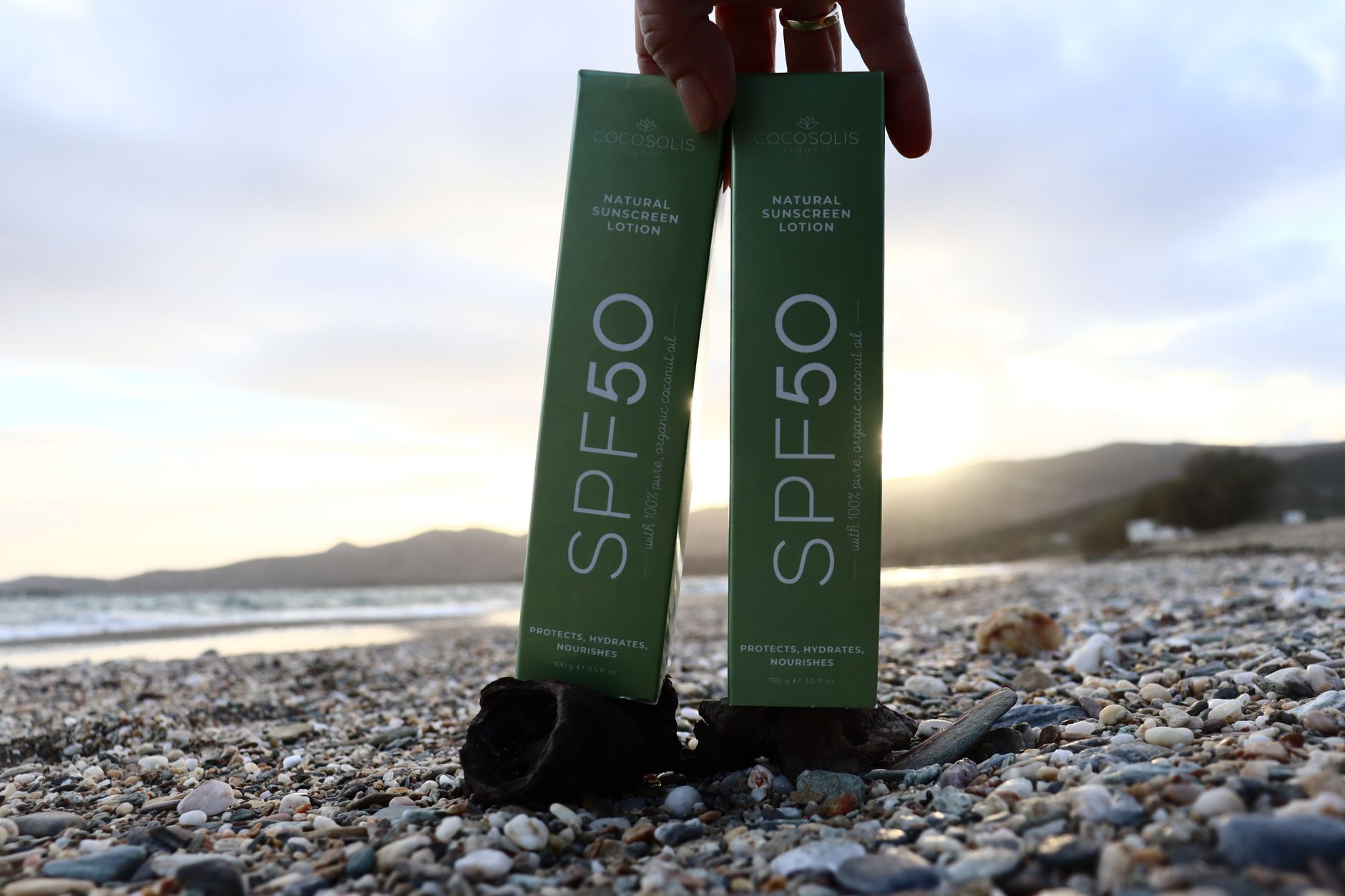
My comparison criteria are comfort, amount used, eye sting, finish, water resistance, reapplication, and whether the formula makes you avoid sunscreen tomorrow. SPF 50 gives more margin when applied properly. SPF 30 can still be useful when the formula is comfortable and you use enough.
The gap between SPF 30 and SPF 50 is smaller than many people imagine, but the gap between a correct amount and a tiny dab is huge. Sensitive skin often loses protection because the product feels unpleasant, not because the label number was too low.
If you are outdoors, sweating, near water, or prone to under-applying, SPF 50 is usually the safer pick. If SPF 50 formulas keep stinging or pilling and SPF 30 is the one you actually wear well, that matters too.
Label verification still matters. Check broad-spectrum, water resistance, expiration, fragrance, active filters, and whether the sunscreen is meant for face, body, or both. SPF is not the only line on the label.
I would also separate daily sunscreen from outdoor sunscreen. A comfortable SPF 30 may be the daily one. A more tenacious SPF 50 may be the hiking, beach, or long-walk one. One bottle can do both, but it does not have to.
Sensitive-skin tradeoffs
Higher SPF formulas can feel heavier, but not always. Some are elegant. Some SPF 30 formulas are greasy. The number does not tell the whole texture story.
Mineral SPF 50 can leave cast or dryness. Chemical SPF 50 can sting eyes for some people. Tinted formulas can help cast but fail shade matching. For sensitive skin, the best number is tied to the formula, not floating above it.
For broader options, compare the sensitive-skin sunscreen guide and the fragrance-free sunscreen guide.
Eye comfort can decide more than the SPF number. A higher SPF that makes your eyes water may lead to careful avoidance around the eye area. That is not a great trade.
Cast matters too. If SPF 50 leaves a cast that makes you use half the amount, the theoretical advantage shrinks. Sensitive skin needs protection that survives real behavior.
How I would choose
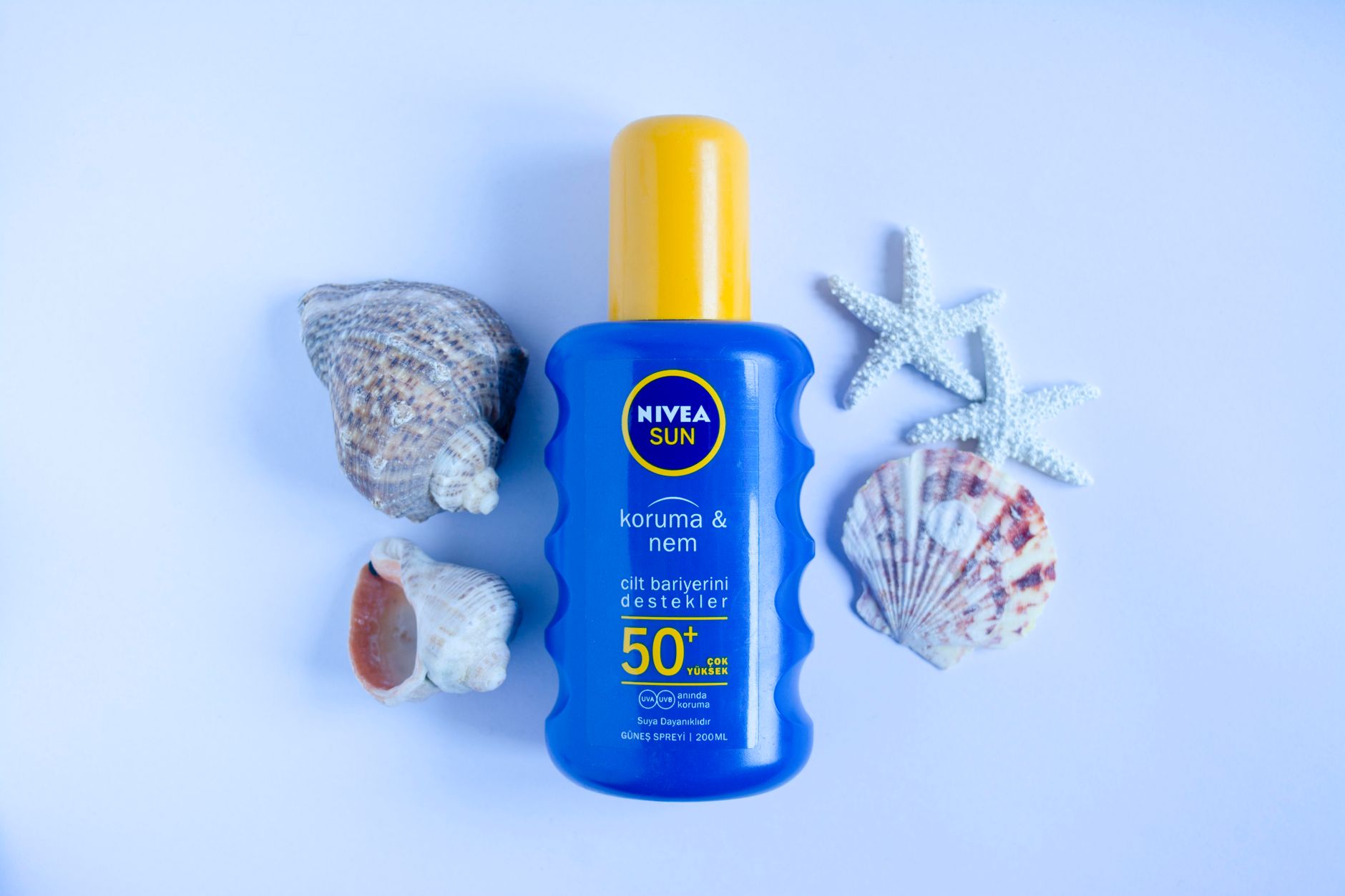
Daily errands, mostly indoors, comfortable formula: SPF 30 can be reasonable. Long walk, beach, hiking, swimming, outdoor work, or inconsistent reapplication: I would lean SPF 50.
Kids, very fair skin, photosensitivity, or dermatologist instructions are separate cases. Follow medical advice when it applies. This guide is about routine product choice, not replacing a clinician’s direction.
Do not choose SPF 50 if you only tolerate it in a tiny amount. Do not choose SPF 30 if it makes you casual about reapplication on a long outdoor day. The label number is not a permission slip.
Testing without drama
Test the real amount on a normal day. Check eye sting, cast, pilling, and removal. Then test during a short outdoor period before trusting it for a long day.
Reapplication is where SPF choices get honest. If a sunscreen feels heavy after one layer, the second layer may never happen. That does not mean the product is useless; it may mean it belongs to shorter exposure days.
For water-resistant formulas, check removal at night. A sunscreen that protects well outside but requires rough cleansing may irritate sensitive skin if used every day.
If the SPF 50 feels too heavy, try a lighter texture or reserve it for outdoor days. If SPF 30 is your daily favorite, keep it visible and use it properly. A sunscreen you like enough to use is not a small thing.
Skip the myth
Skip the idea that SPF 100 means you can stop thinking. Skip the idea that SPF 30 and SPF 50 are identical in every real situation. Both claims flatten the practical part.
Skip any formula that makes you ration the amount. The SPF number assumes proper use. A comfortable lower number used well can beat a higher number used grudgingly.
Do not forget lips, ears, and the neck if you are outdoors. Those areas are easy to miss because the SPF debate usually focuses on the face. The best number on the bottle cannot protect skin you skipped.
If you use makeup over sunscreen, test the pairing. A sunscreen that pills under foundation may lead you to use less, and that changes the whole SPF conversation.
For sensitive skin, I would rather own two sunscreens with clear jobs than one sunscreen I keep trying to force. Daily comfort and outdoor margin are both valid jobs.
When in doubt, choose the sunscreen that makes correct use easiest. The best SPF is the one that survives your routine, not just the comparison chart.
Final take: SPF 50 gives more margin, especially outdoors. SPF 30 can still be a good daily sunscreen when the formula is comfortable and you apply enough. Sensitive skin needs both protection and cooperation.
Sources
Disclaimer
This article is for educational purposes only and is not medical advice. If you have severe irritation, eczema, rosacea, acne, allergies, or a persistent skin condition, consult a dermatologist before changing your skincare routine.