
Most people use less sunscreen than they think. The bottle says broad spectrum. The label says SPF 30 or SPF 50. Then the actual amount on the face is a tiny dab spread as far as it will go. That is where protection quietly drops.
Quick Answer
How much sunscreen to use on face, neck, and body, with practical coverage checks, reapplication notes, makeup layering, and sensitive-skin tips.
The practical answer is not perfect math every morning. It is learning what a generous amount looks and feels like on your own face, neck, and body.

For Face And Neck
A common practical guide is about two finger lengths for face and neck, but fingers, sunscreen texture, and face size vary. I treat it as a starting estimate, not a sacred rule.
If two finger lengths feels impossible, apply in two thin layers. One layer for the face, one for the neck and any missed edges. This is often easier than trying to spread one thick stripe evenly.
Do not forget the ears, hairline, jaw, and the sides of the neck. Those are the places people skip because they are rushing or worried about hair.
I would also include the upper lip and the space beside the nostrils. Those tiny areas get rubbed, wiped, and missed. If a sunscreen stings there every morning, that is useful information about the product, not proof that you should apply less.
For The Body
For exposed body areas, the amount depends on clothing. Shorts and a T-shirt need less than a swimsuit day. A beach day needs much more than a morning walk to the mailbox.
The old shot-glass idea for the whole body can be useful as a reminder that the amount is not tiny. But the better habit is visual: cover exposed skin until it has a complete, even film before rubbing it down.
Apply before you are already standing in full sun if you can. It is much easier to cover shoulders, backs of arms, and the edges of clothing when you are not rushing, sweating, or trying to avoid sand sticking to everything.
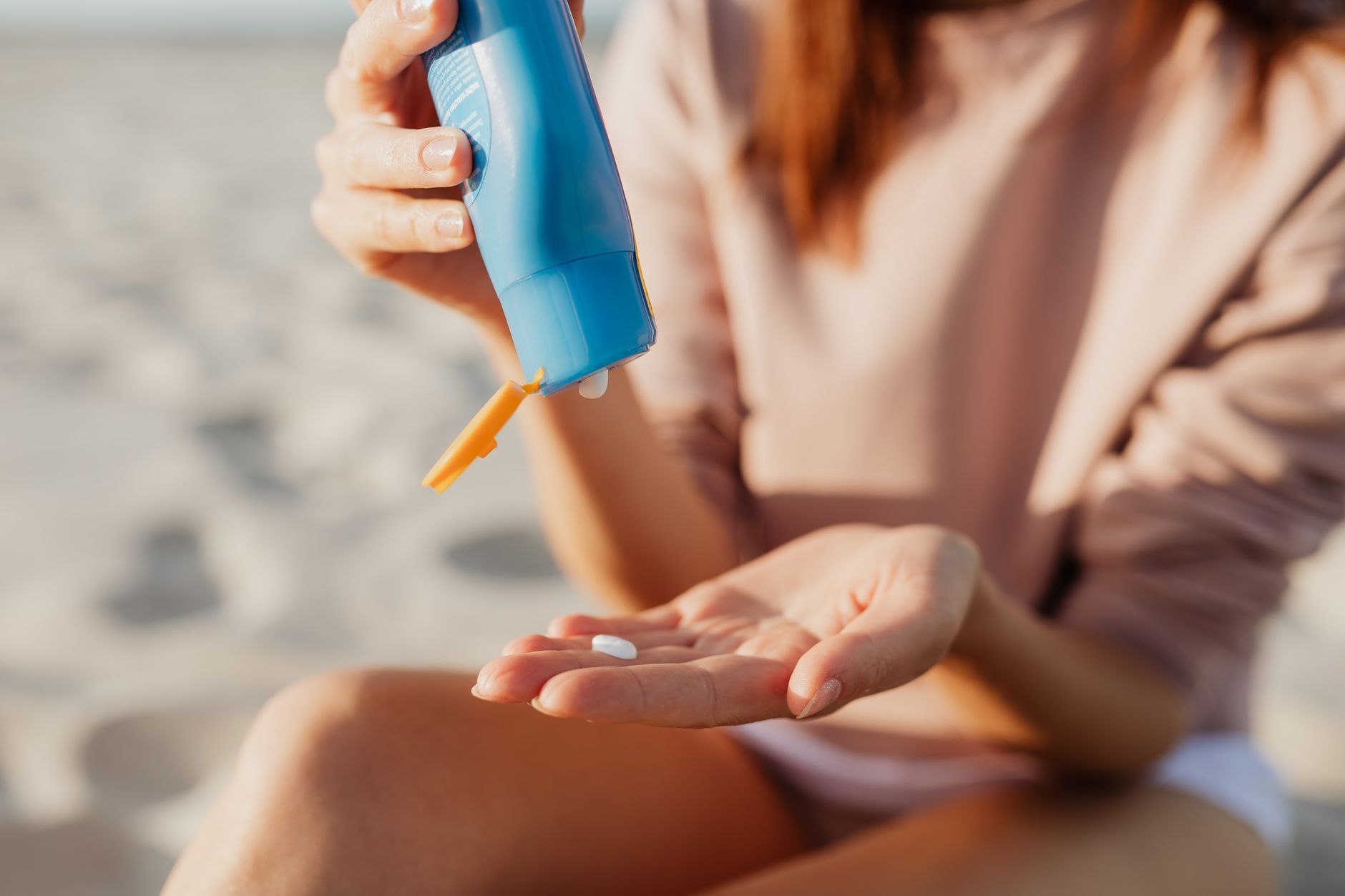
Why Under-Applying Changes SPF
SPF testing uses a specific application thickness. In real life, most people apply less. That does not make sunscreen useless, but it can mean you are getting less protection than the label suggests.
This is one reason I do not love relying on a high SPF number while using a barely visible amount. More generous application of a comfortable SPF 30 may protect better than a stingy amount of an SPF 50 you hate wearing.
Makeup And Sunscreen
Makeup with SPF is not usually enough by itself because people do not apply foundation in sunscreen amounts. I would use regular sunscreen first, let it settle, then apply makeup.
If sunscreen pills under makeup, reduce the skincare underneath before reducing the sunscreen. A heavy moisturizer, several serums, or rushed layering can cause the problem. The sunscreen pilling guide covers that troubleshooting more directly.
Reapplication Is Part Of The Amount
The first application is not the whole day. Sweat, rubbing, masks, collars, towels, water, and time all reduce the layer. If you are outdoors, sweating, swimming, or wiping your face, reapplication matters.
For normal indoor days, the answer depends on sun exposure. Sitting near a bright window for hours is different from working away from windows. For outdoor days, use the label directions and reapply after swimming or heavy sweating.
The sunscreen reapplication guide gives a more detailed decision path.
I would not treat reapplication as a moral test. Put the easiest option where the problem happens: a lotion in the beach bag, a stick for the backs of hands, or a compact product for the commute. The best method is the one you will actually use before the skin turns pink.
How I Check My Own Application
I look for missed borders. Hairline. Eyebrow edges. Around the nose. Under the jaw. Neck sides. Back of hands if they are exposed. These areas are easy to miss even when the main face looks covered.
I also check whether I am avoiding an area because the sunscreen stings. If I keep skipping the eye area or neck, that product is not working for my real routine.
For Sensitive Skin
A generous amount can reveal problems that a small test dab hides. A sunscreen may feel fine on the back of the hand and sting when used properly on the face.
If that happens, do not force it. Try a different base, a mineral sunscreen, a fragrance-free option, or a product that behaves better around your eyes. The amount only helps if you can tolerate wearing it.
This is also why I would test sunscreen on a quiet day before depending on it for a long outdoor plan. If it burns, pills, or makes your eyes water, you want to learn that at home, not halfway through a hike or beach day.
A Quick Mirror Check
After applying, look for shine or coverage at the borders: hairline, eyebrows, ears, jaw, neck, and chest if exposed. The goal is not to look greasy forever. It is to make sure you did not create bare patches while trying to make the product invisible.
Let it settle before deciding whether the amount is too much. Many sunscreens look heavy for the first few minutes and become more wearable after they dry down.
Bottom Line
Use more sunscreen than a tiny dab: enough to create an even layer on every exposed area. For face and neck, two finger lengths is a useful starting point, but real coverage matters more than pretending every face is the same size.
Medical note: ask a dermatologist about sunscreen reactions, photosensitivity, melasma, a history of skin cancer, or sun protection needs for medical treatments.
Sources
Disclaimer
This article is for educational purposes only and is not medical advice. If you have severe irritation, eczema, rosacea, acne, allergies, or a persistent skin condition, consult a dermatologist before changing your skincare routine.