
Affiliate disclosure: This page may contain affiliate links. If you buy through them, we may earn a commission at no extra cost to you.
Quick Answer
Choose a sensitive-skin moisturizer by texture, finish, barrier support, trigger risk, and how it layers in your real routine.
Product note: Product formulas, labels, packaging, availability, and prices change. Use this page as a decision guide, not a live retailer ranking. Check the current ingredient list before buying, especially if fragrance, essential oils, lanolin, rich butters, or strong actives tend to bother your skin. Patch test new products and stop if a moisturizer burns, itches, or makes redness worse.
Quick Take
The best moisturizer for sensitive skin is usually not the fanciest one. It is the one your skin can tolerate every day, under sunscreen, without turning your routine into a guessing game. I would start with texture first, then ingredient pattern, then price.
If your cheeks feel tight after cleansing, look for a cream with humectants plus barrier-support ingredients. If you get oily quickly, a gel-cream or light lotion may be easier to live with. If your skin is already stinging, pause the exciting ingredients and choose boring barrier care for a while.
Comparison Criteria I Would Use
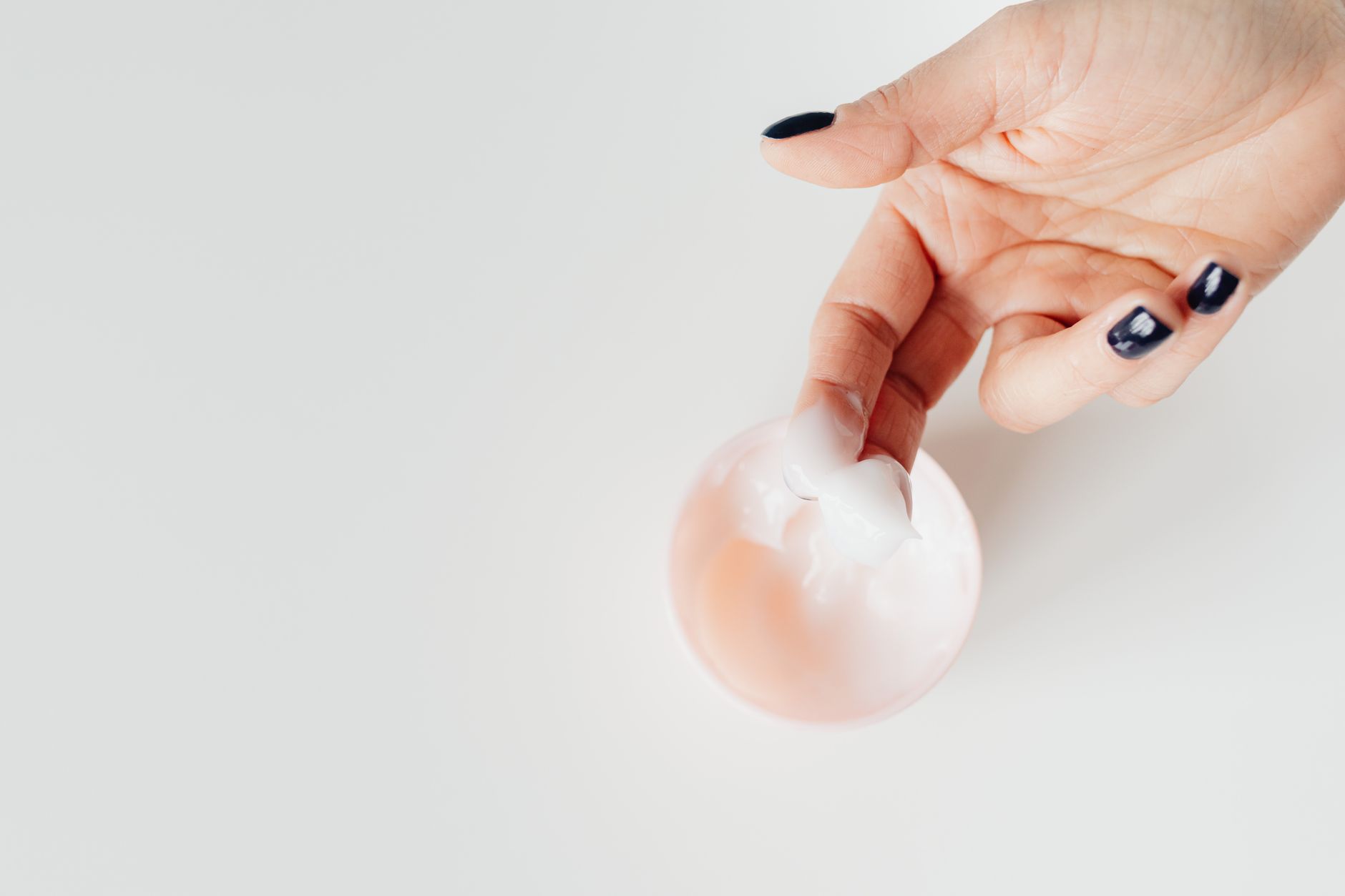
A product can look perfect on paper and still be annoying on your face. These are the tradeoffs I would compare before buying.
- Texture: gel-cream for oily or humid days; lotion for normal or combination skin; cream for dry, tight, or barrier-weakened skin.
- Finish: shiny, tacky, matte, or soft. This matters if you wear sunscreen or makeup over it.
- Barrier support: ceramides, glycerin, panthenol, squalane, petrolatum, dimethicone, beta-glucan, and simple emollients can be more useful than a long botanical list.
- Trigger risk: fragrance, essential oils, strong exfoliating acids, and too many extracts are worth checking if your skin reacts easily.
- Use case: a moisturizer for night recovery can be richer than one you expect to wear under SPF at 8 a.m.
Shortlist by Skin Situation
| Skin situation | Moisturizer type to compare first | Who may want to skip |
|---|---|---|
| Dry, tight, or flaky | Barrier cream with humectants and emollients | Very oily skin that clogs easily |
| Oily but dehydrated | Gel-cream or light lotion | Very dry skin needing a stronger seal |
| Redness-prone | Fragrance-free, minimal-ingredient cream | Anyone chasing strong actives in the same step |
| Barrier feels damaged | Ceramide, panthenol, petrolatum, or dimethicone-leaning cream | People who dislike any protective film |
| Combination skin | Light lotion all over, cream only on dry zones | Anyone wanting one thick layer everywhere |
Moisturizer Types Worth Comparing
I am using product types here because sensitive skin is unpredictable. A famous moisturizer can still be wrong for you if the texture, fragrance, or finish clashes with your routine.
Simple barrier creams
These are often the safest first stop when your skin is dry, over-cleansed, or recovering from too many actives. Look for ceramides, glycerin, petrolatum, dimethicone, panthenol, or squalane. The upside is comfort and protection. The tradeoff is that some barrier creams feel heavy under sunscreen.
Best fit: dry or tight skin, damaged barrier, winter routines. Less useful for: very oily skin that hates a film.
Gel-creams
Gel-creams make sense when your skin wants hydration but not a thick layer. They can be helpful for oily, combination, or humid-weather routines. The catch is that some gel textures feel sticky, and some are not enough for cheeks that are genuinely dry.
Best fit: oily but dehydrated skin, morning routines, layering under sunscreen. Less useful for: flaky skin that needs more occlusion.
Fragrance-free lotions
A lotion can be the boring middle ground: lighter than a cream, more comforting than a gel. For sensitive skin, I would rather see a plain fragrance-free lotion used consistently than a fancy cream that only works some days.
Best fit: normal, combination, or mildly dry skin. Less useful for: severe dryness or a barrier that needs a stronger seal.
Rich night creams
A richer cream can be helpful at night, especially if sunscreen and daytime products make you prefer something lighter in the morning. Use this category carefully if your skin traps heat or breaks out under heavier products.
Best fit: dry cheeks, cold weather, recovery nights. Less useful for: congestion-prone skin or anyone who wakes up greasy.
Ingredients I Like Seeing

- Glycerin: dependable hydration without much drama.
- Ceramides: useful when the barrier feels weak, though the full formula still matters.
- Panthenol: a good supporting ingredient in calmer barrier routines.
- Squalane: light emollient slip for many people, though not everyone loves oily-feeling textures.
- Dimethicone or petrolatum: not glamorous, but often helpful when skin needs a protective layer.
How to Test One Without Confusing Your Skin
Do not test a new moisturizer the same week you start retinol, exfoliating acids, vitamin C, or a new sunscreen. Use it with the simplest version of your routine for a few days. If it works on your cheeks but feels heavy on your forehead, you can use it only where you need it. There is no rule that one moisturizer has to go everywhere.
For morning use, test it under sunscreen. For night use, notice how your skin feels the next morning: comfortable, greasy, tight, or irritated. That tells you more than a product description does.
Common Mistakes
- Choosing only by ?sensitive skin? on the label: the ingredient list and texture still matter.
- Using too much: a pea-to-blueberry-size amount may be enough for the face, depending on texture.
- Ignoring fragrance: scented products are not automatically bad, but fragrance is a common reason reactive skin complains.
- Expecting moisturizer to fix every problem: if cleanser, exfoliant, or sunscreen is the trigger, moisturizer can only do so much.
Bottom Line
For sensitive skin, choose a moisturizer the way you would choose a basic daily shoe: it has to fit your real life. Compare texture, finish, trigger risk, and routine fit before chasing a ?best overall? label. If your skin is reactive, the quiet product you can use daily is usually more valuable than the impressive product you keep abandoning.
Frequently Asked Questions
Should sensitive skin use cream or lotion?
Dry or barrier-weakened skin often does better with cream. Oily or combination skin may prefer lotion or gel-cream. Some people use a light lotion all over and a richer cream only on dry areas.
Is fragrance-free always necessary?
Not for everyone, but it is a safer starting point if your skin reacts often or you do not know your triggers yet.
Can moisturizer sting on damaged skin?
Yes. When the barrier is irritated, even simple products can sting. If burning is strong, persistent, or paired with swelling, rash, or pain, stop and consider medical advice.
How long should I test a moisturizer?
Give it several uses if there is no obvious reaction. Test one new product at a time so you can tell what changed.
Once the moisturizer is boring and reliable, face masks for sensitive skin should still be treated as optional, not essential.
Sources
Disclaimer
This article is for educational purposes only and is not medical advice. If you have severe irritation, eczema, rosacea, acne, allergies, or a persistent skin condition, consult a dermatologist before changing your skincare routine.