
You usually learn about the skin barrier the annoying way. A cleanser that used to be fine starts making your face feel tight. Moisturizer lands and burns. Sunscreen, already not the most charming product, suddenly feels impossible.
Quick Answer
A plain-English explanation of the skin barrier, including what it feels like when it is calm, signs it may be struggling, product clues, and how to reset the routine.
That is the skin barrier entering the chat.
Plain version: it is the outer protective system of the skin. It helps keep water in. It helps keep irritants out. When it is working, you do not think about it much. When it is struggling, the whole routine gets noisy.

The Brick Wall Image, With A Warning
People compare the barrier to bricks and mortar. Skin cells are the bricks. Lipids such as ceramides, cholesterol, and fatty acids are part of the mortar. Good enough as a picture.
Just do not take it too literally. Your skin is not a wall. It changes. Weather, cleansing, products, sweat, illness, shaving, and treatments can all change how tolerant it feels.
My Quick Barrier Check
Does cleanser leave the face tight?
Does moisturizer sting?
Does sunscreen feel worse than usual?
One yes may be a product problem. Three yeses feels more like a barrier problem.
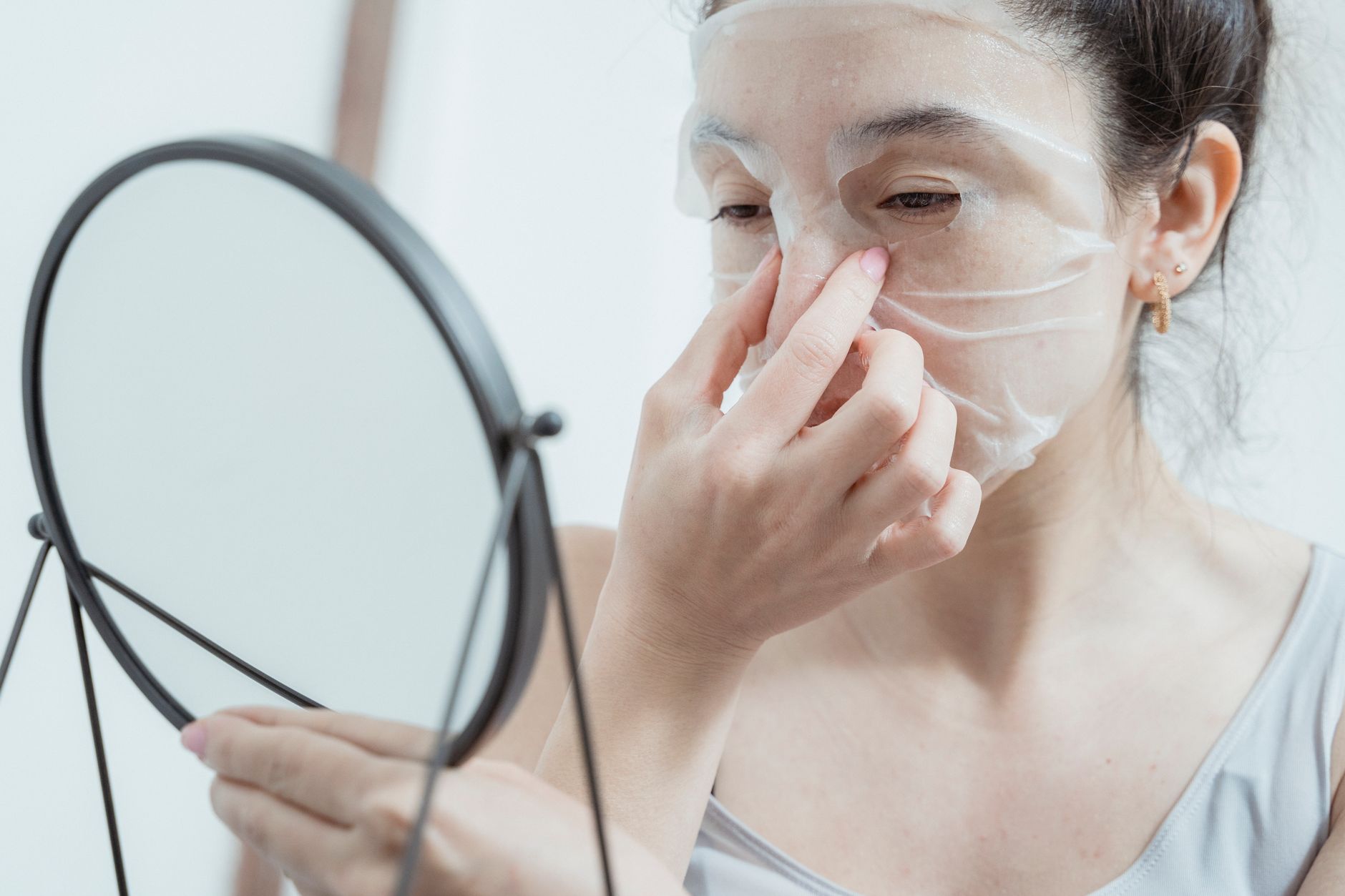
What A Calm Barrier Feels Like
Not flawless. Not poreless. Not filtered.
More like: the skin handles a gentle cleanse, accepts moisturizer without drama, and does not turn every product into a sting test. You may still have acne, pigment, dryness, or oil. The barrier is only one part of the story.
How It Gets Annoyed
Too much exfoliation is the obvious one. Scrubs, peel pads, acid toners, retinoids too often, acne treatments stacked together.
Hot water can join in. Harsh cleanser too. Fragrance if you are reactive. Wind. Cold dry air. A sunscreen that needs too much rubbing. A week where you changed everything because one product upset you.
That last one is common. Panic-shopping is rough on sensitive skin.
Barrier Trouble Or One Bad Product?
One serum burns? Remove the serum.
Cleanser, moisturizer, sunscreen, and wind all bother your face in the same week? That is different. The skin underneath may be less tolerant right now.
This is why notes help. Not fancy notes. Just “vitamin C burned around mouth” or “tight after cleanser all week.”
What Helps First
Less.
Gentle cleanser. Moisturizer that does not sting. Sunscreen that you can actually wear. Pause the extra treatments for a little while.
Ingredients like glycerin, ceramides, panthenol, dimethicone, petrolatum on small spots, and squalane if tolerated can help. Still, the routine matters more than the ingredient shopping spree.
What Does Not Help Much
Scrubbing flakes off. Chasing a tight feeling with an acid toner. Buying five barrier creams and rotating them every night. Using hot water because it feels good for the first few seconds.
Those choices can make the skin feel temporarily smoother or cleaner, then worse. Barrier care often asks for the less satisfying option.
What I Would Pause
Strong acids. Scrubs. New retinoids. Strong vitamin C. Fragranced leave-on products. Anything that gives a sharp tingle and then leaves the skin worse.
Prescription products are different. Ask the clinician first. But mention the rest of the routine, because a prescription surrounded by harsh skincare may look more irritating than it really is.
The Boring Week
Give the skin a boring week. Cleanse gently. Moisturize. Use sunscreen if exposed and tolerated. No new serum auditions.
If stinging decreases, flakes settle, and moisturizer starts feeling normal, you have your answer. Boring helped.
Product Notes
A cleanser should not leave the face feeling polished and tight. A moisturizer should not burn every time. A sunscreen should be tolerable in the amount you actually need.
That sounds basic because it is. The basics are where barrier trouble usually shows up first.
If a product fails one of those tests repeatedly, do not keep it in the routine just because it has good reviews.
Also watch timing. A product may feel fine when the skin is calm and awful after wind, over-cleansing, or a retinoid mistake. The skin’s current condition changes the answer.
When To Add Things Back
Only after the basics feel stable. Add one product for one reason. Acne treatment if acne needs treatment. A pigment product if pigment is the current goal. More moisturizer if dryness remains.
Do not bring back the whole old routine at once. That is how the mystery restarts.
When To Get Help
Get help if burning is severe, rash spreads, skin cracks, eyelids flare, or the problem keeps returning despite a careful reset. Eczema, rosacea, allergic contact dermatitis, and acne treatments can all complicate barrier repair.
A calmer routine is useful, but it is not a substitute for medical care when the skin is clearly unwell.
One More Practical Clue
Barrier trouble often makes the skin less forgiving across categories. Cleanser, moisturizer, sunscreen, weather, sweat, and friction all feel harder at the same time.
That cluster is the clue. One bad product is a product problem. A cluster is a routine-and-barrier problem.
Useful Next Reads
If the barrier already feels damaged, read how to repair a damaged skin barrier. For ingredient choices, see barrier repair ingredients.
Bottom Line
The skin barrier helps keep water in and irritants out. When it is irritated, skincare gets louder. Start by making the routine quieter: gentle cleanse, tolerable moisturizer, wearable sunscreen, fewer experiments.
Medical note: ask a dermatologist about persistent burning, spreading rash, eczema, rosacea flares, infection signs, or pain that does not improve with gentle care.
Sources
Disclaimer
This article is for educational purposes only and is not medical advice. If you have severe irritation, eczema, rosacea, acne, allergies, or a persistent skin condition, consult a dermatologist before changing your skincare routine.