
Bakuchiol versus retinol is often sold as a gentle-versus-strong choice. That is too neat. Bakuchiol may be easier for some sensitive skin, but it is not a magic no-irritation coupon. Retinol has more history behind it, but that does not mean every sensitive face should start there.
Quick Answer
Bakuchiol vs retinol for sensitive skin: compare irritation risk, pacing, pregnancy cautions, and when to skip both.
I would choose by tolerance, patience, pregnancy status, acne goals, and how willing you are to go slowly. The boring details decide this comparison.
Short answer

Pick bakuchiol first if your skin is reactive, you are retinoid-curious but nervous, or you want a lower-pressure nighttime experiment. Pick retinol first if you specifically want a classic retinoid path for acne, texture, fine lines, or uneven tone, and you can commit to sunscreen and slow use.
Do not pick either if your skin barrier is already upset. If moisturizer stings, this is not the week to begin an active. Let the baseline calm down first.
My comparison criteria are not glamorous: irritation risk, evidence comfort, pregnancy questions, sunscreen discipline, and how easy the product is to stop if your skin objects. Bakuchiol usually wins the low-pressure test. Retinol usually wins the established-active test. The tradeoff is that retinol asks more from the rest of the routine.
What bakuchiol can and cannot do
Bakuchiol is usually presented as the friendlier option. For some people, that is true in practice. It can feel less intimidating, it often fits into gentler formulas, and it may be a reasonable first experiment when retinoids have been too much.
But I would not treat bakuchiol as automatically sensitive-skin safe. The full formula still matters. Fragrance, essential oils, strong preservatives, a sticky base, or too many other actives can make a bakuchiol product annoying even if bakuchiol itself was not the villain.
Bakuchiol is also not a shortcut around patience. If you are using it for visible texture or tone changes, think in weeks and months, not three nights. If a product promises a dramatic overnight transformation, your skeptical eyebrow should wake up.
Label verification matters here because many bakuchiol products are not just bakuchiol. They may include fragrance, botanical extracts, acids, vitamin C, or rich oils. If your skin reacts, the headline ingredient may not be the only suspect. Check the ingredient list before deciding that the category itself failed you.
What retinol asks from you
Retinol asks for more respect. It can be useful, but it is very good at exposing an impatient routine. Too much, too often, on damp skin, with exfoliating acids, while skipping sunscreen: that is how the face starts sending angry emails.
If you choose retinol, I would start with a low-strength product, use it a couple nights a week, apply moisturizer, and keep other actives quiet. Some people prefer the moisturizer sandwich method. Some do fine applying retinol after moisturizer. The exact method matters less than reducing irritation enough that you can continue safely.
Our retinol for beginners guide goes deeper on pacing. For this comparison, the main point is simpler: retinol is not a product you add casually because the cart needed one more item.
How I would test either one
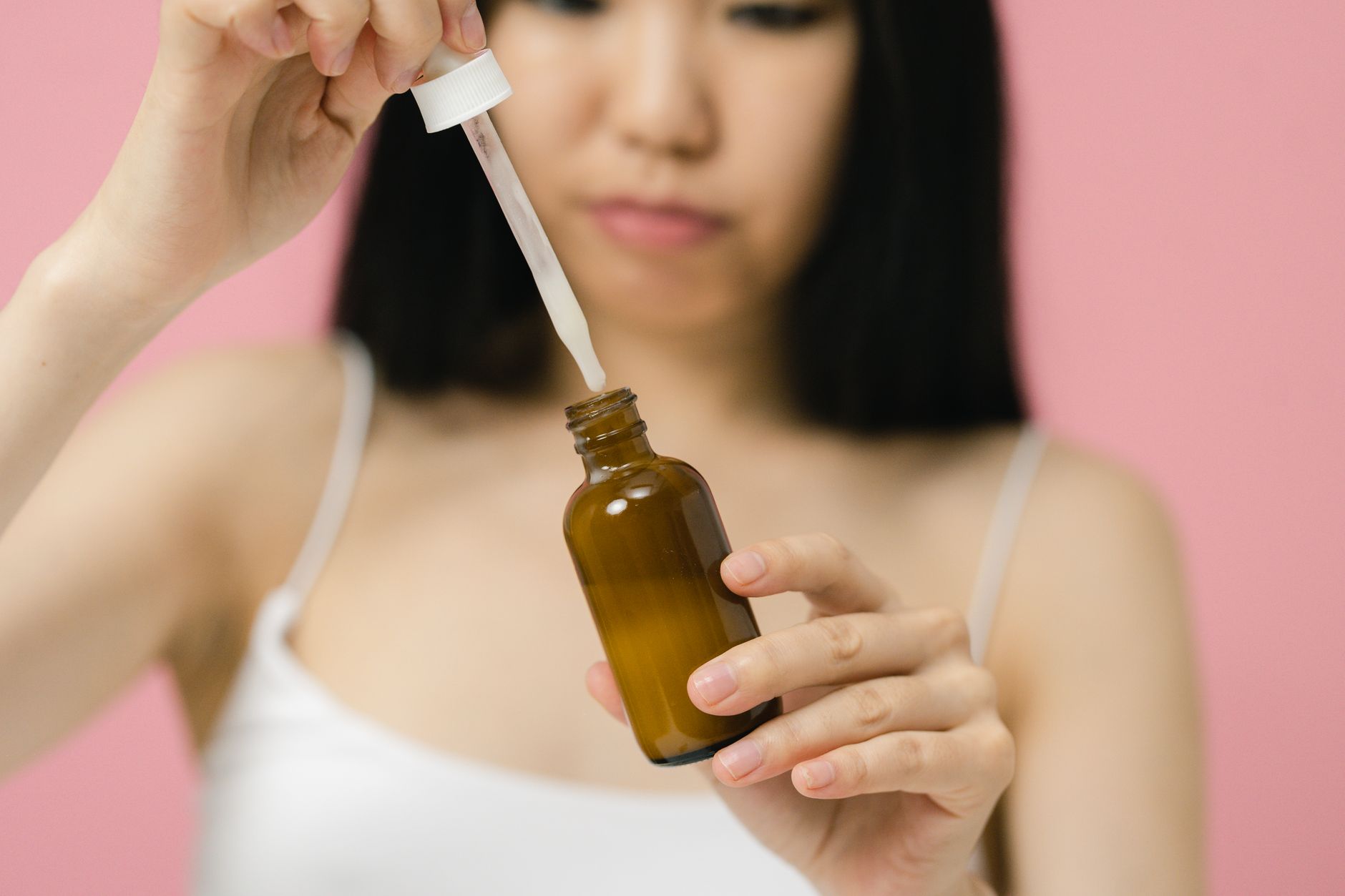
Choose one product. Not bakuchiol plus retinol. Not retinol plus an acid toner. Not a full anti-aging routine assembled in a burst of optimism. Use it at night, keep cleanser and moisturizer familiar, and watch for burning, peeling, persistent redness, new bumps, or eye-area dryness.
I would test near the jaw before going full face if your skin is dramatic. If that sounds overly cautious, good. Caution is cheaper than repairing a barrier flare.
Use the ingredient checker before buying if your skin has known triggers. The active ingredient is only one part of the bottle.
Keep a tiny log for the first two weeks: product night, moisturizer used, next-morning dryness, sunscreen comfort, and any peeling. This is not skincare homework for fun. It stops you from blaming bakuchiol or retinol when the real issue was frequency, a new cleanser, or skipping moisturizer around the mouth.
Pregnancy and safety notes
This is a place where general skincare advice can get too casual. Retinoids are commonly avoided during pregnancy and while trying to conceive unless a clinician gives individualized advice. Bakuchiol is often marketed as an alternative, but I would still ask a clinician if pregnancy, nursing, medication, or a skin condition is part of the picture.
That may feel like an unsatisfying answer. It is the honest one. A comparison article cannot know your medical context.
Who should skip both for now?
Skip both if your face is currently peeling from exfoliation, stinging from moisturizer, or recovering from a rash. Skip both if you cannot commit to daily sunscreen. Skip both if you are trying to fix five concerns at once and plan to add three other actives next week.
Also skip the comparison if you mostly want a glow boost before an event. Retinol and bakuchiol are not last-minute party products for sensitive skin. They are slow experiments.
How to choose at the shelf
If you are still split, choose the product with the calmer supporting formula, clearer usage directions, and fewer ingredients you already know you dislike. A low-strength retinol in a gentle cream may be easier than a flashy bakuchiol serum full of fragrance. A plain bakuchiol product may be smarter than a retinol you know you will overuse. The bottle details matter more than the ingredient debate.
Bottom line
Bakuchiol is the calmer first test for many sensitive routines, especially if retinol has felt too aggressive. Retinol is the more established active path, but it demands pacing and sunscreen. The best choice is not the ingredient with the better reputation. It is the one you can introduce without turning your routine into a repair project.
This article is educational and not medical advice. If you have rosacea, eczema, acne requiring treatment, pregnancy questions, medication interactions, or persistent irritation, ask a qualified clinician before starting active ingredients.
Sources
Disclaimer
This article is for educational purposes only and is not medical advice. If you have severe irritation, eczema, rosacea, acne, allergies, or a persistent skin condition, consult a dermatologist before changing your skincare routine.