
Salicylic acid is the ingredient I see beginners overuse fastest. It sounds logical: clogged pores, use the pore ingredient. Then the routine quietly becomes a salicylic cleanser, salicylic toner, salicylic serum, drying spot treatment, matte sunscreen, and a face that feels like paper by Thursday.
Quick Answer
Salicylic acid for beginners explained for acne-prone sensitive skin, with practical testing advice for clogged pores, irritation signs, moisturizer, and frequency.
For sensitive skin, I would start smaller. One salicylic acid product. One part of the face if needed. A moisturizer you are not afraid to use.
The goal is not to feel scrubbed clean. The goal is fewer clogged pores without making the barrier angry.
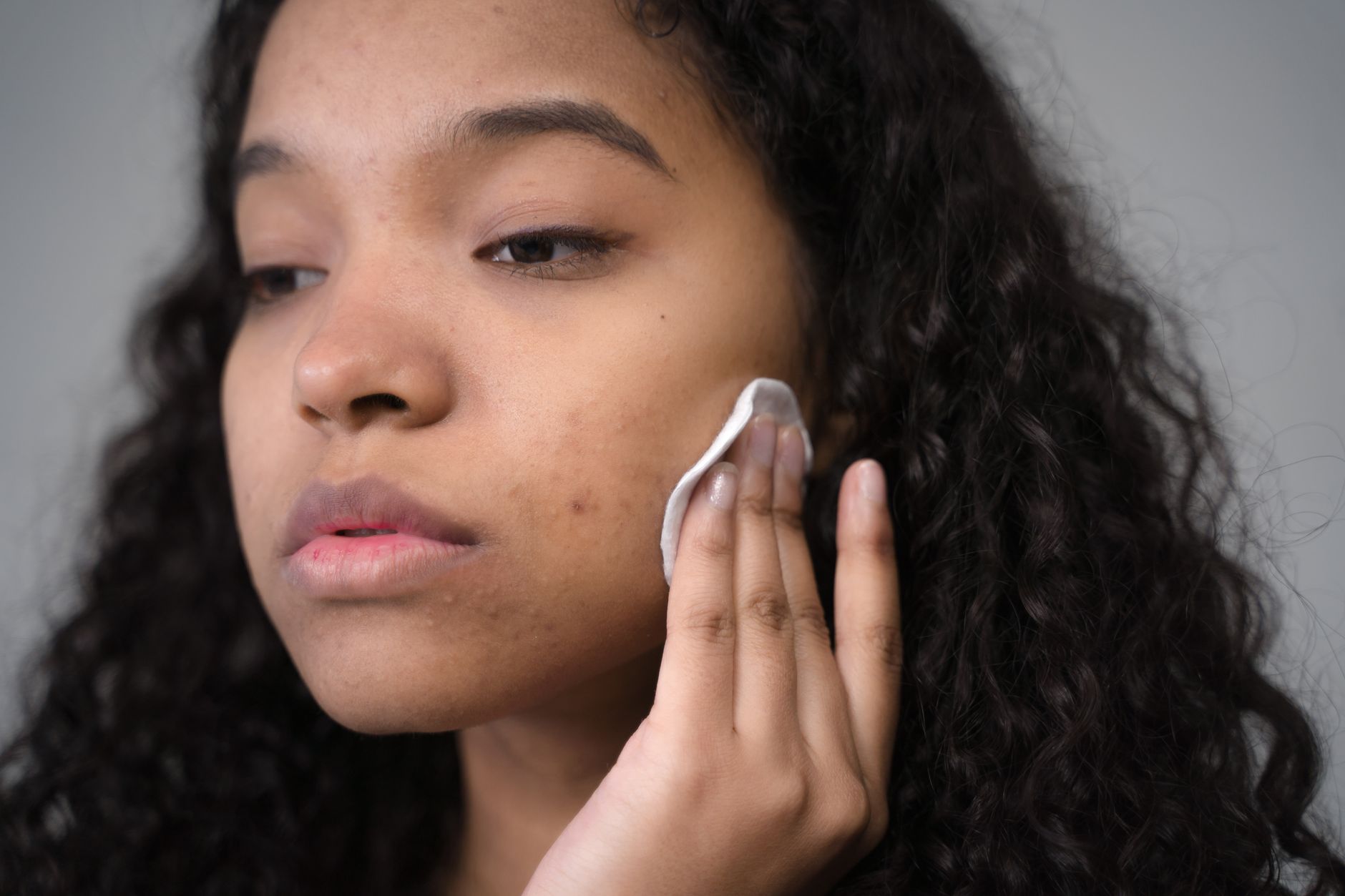
What It Is Good At
Salicylic acid is a BHA, which is why it is often used for oily congestion, blackheads, and pores that feel rough. It can be helpful on the nose and forehead even when the cheeks want nothing to do with it.
That regional use matters. Your face is not one climate. A product can be right for the T-zone and wrong for the corners of the mouth.
Cleanser First, Or Leave-On?
A cleanser is usually the softer first experiment because it rinses off. It may do less, but less can be useful when you are learning tolerance.
A leave-on product has more time to work and more time to irritate. I would not make a leave-on BHA daily at the beginning. Once or twice a week is not timid. It is readable.
Readable means this: when something goes wrong, you can tell what changed.
The Acne Trap
People call everything purging because purging sounds like progress. Sometimes it is not. Burning, itching, wide redness, tight shiny skin, and breakouts in strange places are more suspicious for irritation.
A few bumps in your usual clogged zones may happen. A face that feels raw is a stop sign, not a motivational quote.
Location helps. Nose and chin congestion that was already brewing is one thing. New rashy bumps across dry cheeks are another. I would not push through the second pattern.

How I Would Test It
Keep the cleanser gentle. Use salicylic acid only where congestion is the problem. Moisturize after. Wear sunscreen in the morning. Do not add retinoid nights, acid pads, scrubs, or benzoyl peroxide at the same time.
Two weeks of boring testing will teach you more than four new acne products in four days.
For crowded routines, the skincare layering guide can help simplify the order.
If the product is a cleanser, leave it on only as directed and rinse well. If it is a leave-on, use less than you think you need for the first few nights. A wet, shiny layer of BHA is not more beginner-friendly than a thin one.
Moisturizer Is Part Of Acne Care
Skipping moisturizer can make sensitive acne-prone skin harder to treat. The skin gets tight, then every active feels harsher, then you add more treatment because the texture looks worse. Not a fun loop.
Use a light moisturizer if rich creams clog you. Gel creams and light lotions can be enough. The point is to keep the barrier from becoming the new problem. If you are unsure what barrier trouble feels like, read what a skin barrier is before increasing BHA frequency.
When To Step Back
Step back if sunscreen starts burning, flakes appear in places that were not flaky before, or the skin feels tight for hours after washing. You can restart later at a lower frequency if the skin calms down.
Severe, painful, cystic, or scarring acne deserves dermatology help. Salicylic acid is useful; it is not the whole acne universe.
Common Product Mismatches
A drying BHA cleanser plus a foaming cleanser is often too much. A leave-on BHA plus a matte sunscreen can make the face feel dry even when oil is still present. A strong spot treatment over a salicylic acid night can turn one pimple into a flaky patch.
None of those combinations are morally wrong. They are just hard to read when your skin is sensitive.
If you want to keep salicylic acid but reduce irritation, change one lever at a time: frequency, amount, placement, or product type. Do not change all four and then try to interpret the result.
For example, keep the same product but use it only on the nose for two weeks. Or keep the same placement but switch from every other night to once weekly. Small changes make the experiment readable.
What Progress Looks Like
Good progress is boring: fewer rough pores, less congestion in familiar zones, and skin that still feels comfortable. You should not need to sacrifice your whole barrier to clear a nose strip’s worth of blackheads.
If the result is clearer but raw, the routine is not finished. It is asking for a better balance.
Take photos if you can do that without obsessing. Texture changes are hard to judge in the mirror every morning. A weekly photo in the same light is more useful than checking pores ten times a day.
Comfort counts as progress too. A routine that clears a little slower but keeps the skin calm is often easier to maintain than a harsher routine you abandon every two weeks.
Bottom Line
Salicylic acid can be a strong beginner tool for clogged pores, but sensitive skin needs a narrow test. One product, low frequency, moisturizer, and honest attention to irritation signs.
Medical note: ask a dermatologist about severe acne, painful cysts, suspected allergy, persistent irritation, pregnancy-related medication questions, or acne that is scarring.
Sources
Disclaimer
This article is for educational purposes only and is not medical advice. If you have severe irritation, eczema, rosacea, acne, allergies, or a persistent skin condition, consult a dermatologist before changing your skincare routine.