
If you’ve ever found yourself standing in your bathroom, staring at a red patch or feeling that familiar tightness, you may have wondered: is my skin barrier broken, and should I “fix” it right away? Many with sensitive skin fall into the trap of blaming every flare-up on the barrier and chasing repair as a project—but it’s rarely that black and white. Sometimes waiting is smarter than overcorrecting. Sometimes, the problem isn’t dramatic enough to bother with at all.
Quick Answer
Learn how long does skin barrier repair take? with sensitive-skin guidance, routine examples, ingredient cautions, and practical next steps.
Pause or Proceed? Deciding When to Intervene
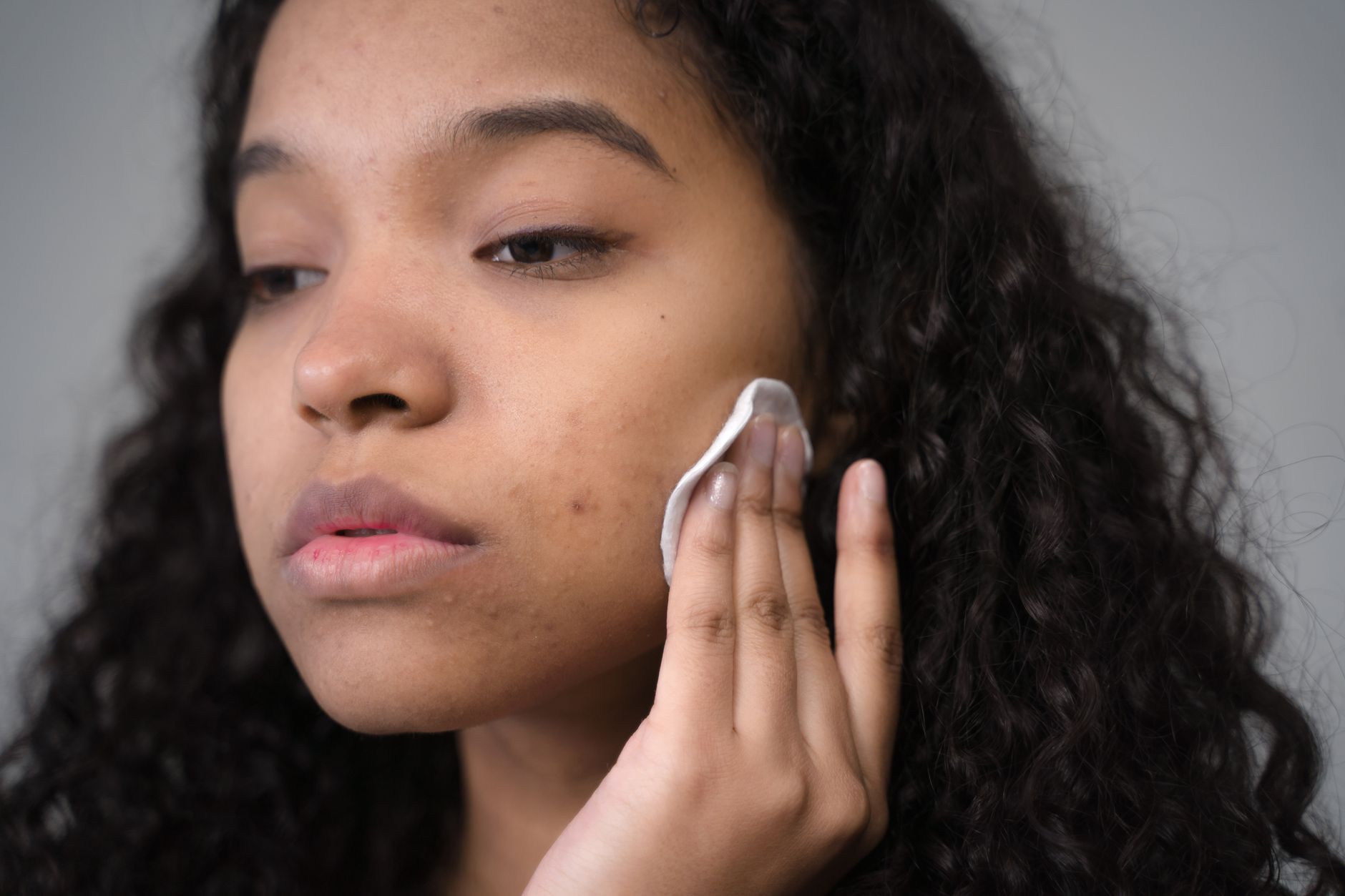
Say you notice persistent stinging or anything that physically hurts—it’s worth pausing, no matter how attached you are to your lineup. If instead, you’re looking at a little more redness than usual with no discomfort, my inclination is to ride it out. The urge to overhaul everything after one new product misstep is strong. Still, unless you’ve hit that unmistakable wall of burning, tingling, or obvious dry, shedding skin, patience tends to win. I sometimes see readers chasing barrier “repair” when their skin is honestly just protesting a small routine tweak. Usually, just pulling back on the offending step for a couple days gets things back to normal without the need for a big routine reset.
On the other hand, repeated flares after product experiments, or a nasty reaction to a strong active like retinoid, can drag out roughness and redness for a week or two. Here, I do recommend slowing frequency of actives—don’t just quit, but don’t push. The minute you see swelling, real pain, or a rash that spreads, skip the home fixes and talk to a derm. The threshold for concern is lower with sensitive skin; over-persistence can backfire into longer recovery and even worsen the situation.
How Far Should You Scale Back? Minimalist Moves vs. Going Bare

There’s some risk in stripping everything at once. For example, I would immediately remove physical or chemical exfoliants if my skin started burning or stinging, but I would hesitate before dumping a well-tolerated moisturizer or gentle cleanser. Dropping everything down to just water and ointment can irritate some people more, especially if you’re also acne-prone. Calming down does not mean total abandonment—unless you literally can’t pinpoint what’s causing your issue, or if each product you reintroduce resets the irritation clock.
If you routinely bounce between acne flare-ups and sensitivity, it’s sensible to keep low-dose treatments or spot care in rotation, at least occasionally—sometimes clearing skin helps the barrier by getting rid of chronic inflammation sources. Don’t get lured by every “soothing” serum or overnight fix that shows up on your feed; more often than not, loading up on these brings its own set of irritants (and expense). Even the “simplest” routine, on paper, can backfire in unpredictable skin.
Looks Can Deceive—When Normal Skin Isn’t Fully Recovered
Here’s where most fall off track: feeling better doesn’t mean the skin barrier is truly restored. That flush might be gone and your cheeks feel soft, but reintroducing all your actives at once is usually how relapses start. The improvement you see is not a reliable marker. As an editor, I lean toward recommending you reintroduce your suspended products at a pace that feels conservative, even boring: one per week rather than a whole shelf. If you’re impatient, a slow, staged return wins out against dramatic ups and downs that come with diving back in too soon.
Actually, sometimes your skin is a little liar. You’ll look fine, then add back everything, and wake up two days later with the same old irritation. There’s no point in pretending this isn’t annoying.
Competing Needs: Should You Prioritize Barrier Repair or Breakouts?
If both your skin barrier and an active breakout demand attention, the order of operations matters. If you’re experiencing burning, weeping, or visible rawness, forget the acne for now and focus on calming the irritation; worsening the barrier will only prolong acne recovery anyway. However, if your breakouts are mild and you’re dealing with just some tingling or minor flaking, it’s reasonable to keep lightweight acne treatments—just less frequently, and with extra attention to reactions. I wouldn’t recommend cold-turkey on prescription topicals if your provider hasn’t weighed in, but I do suggest pausing anything new or harsh until things stabilize.
Short version: if you’re stuck in limbo with both problems, deal with what physically hurts first. And if your skin is doing something new or dramatic—a rash, swelling, blistering—skip all home fixes and get checked sooner rather than later.
When Should You Ignore the “Repair” Hype?
Some days, honestly, this whole topic is more noise than necessity. If your skin is pink but not sore, or irritation fades after ditching one product, major intervention is likely not needed. It’s easy to spiral into fixing every tiny blip as a “barrier issue”—but that leads to over-tinkering, wasted effort, and sometimes worse sensitivity. Here’s when I’d recommend skipping the repair process entirely:
- Brief, singular episodes that vanish after one or two nights
- Comfortable skin that looks off but behaves normally
- Following provider instructions for underlying chronic conditions—don’t improvise for hobby’s sake
Sometimes the calmest move is to do nothing. Don’t get pulled into adding “barrier” products for every off day. In fact, I’ve seen regimens stuffed with them that never actually help—marketing can be misleading.
One caveat: a routine that seems gentle on paper may still not be right for you. If you keep having mystery reactions, or your “recovery” cycles back for weeks, stop self-adjusting. Unpredictable or severe cases deserve medical attention, not endless home trial-and-error.
If this article had a single recurring message it would be this: skin recovery is rarely a straight line, and you don’t need to treat every bump as a crisis. Pausing and watching, not fixing, deserves more credit. There isn’t always a quick answer for “how long does skin barrier repair take”—but most of the time, a gentle stall is your safest move. Bigger emergencies? Act accordingly, but don’t lose patience for the slow, ordinary days.
Related reading
Sources
Disclaimer
This article is for educational purposes only and is not medical advice. If you have severe irritation, eczema, rosacea, acne, allergies, or a persistent skin condition, consult a dermatologist before changing your skincare routine.