
Your skin feels raw, stinging, or flaking—and every moisturizer in your bathroom seems like a gamble. If you’re here, you’re probably weighing whether to buy something new for your damaged barrier, but there’s a nagging worry: what if the “soothing” cream just makes things worse? This decision rarely feels straightforward, especially when even gentle lotions can sting on contact. The right move isn’t always about the fanciest label or newest repair ingredient. Sometimes, it’s about figuring out what you can actually tolerate without making your skin rage at you.
Quick Answer
Choose best moisturizers for damaged skin barrier with sensitive-skin criteria, texture notes, who should skip, and label-check reminders.
Product note: Product formulas, labels, availability, and prices can change. Calm Skin Guide may earn a commission from qualifying purchases in the future, but recommendations should still be checked against the current product label and your own skin needs. Patch test new skincare products and stop using anything that irritates your skin.
Pausing Before You Buy: Simplifying the Routine

If your face is burning or tingling after moisturizer, this isn’t the moment to dive into a full shelf of new products. My editorial bias leans strongly toward doing less—and doing it slowly—when your barrier’s compromised. Resist hunting for the “perfect” moisturizer within hours of irritation. Instead, consider stopping all actives (retinoids, exfoliating acids, vitamin C) and scaling your routine back to the bare minimum: a basic, non-foaming cleanser and one plain moisturizer. Sometimes, that’s even too much—if every moisturizer burns, you may need to pause topical products entirely for a day or two.
It’s a tough impulse to fight, especially when skin feels wrong. But adding lots of “repair” serums or creams can set off another spiral. There’s no quick fix, and you don’t have to solve everything overnight. That urge to experiment is understandable; it’s just usually the wrong direction right now.
Tolerability First: What Texture and Type to Choose Now
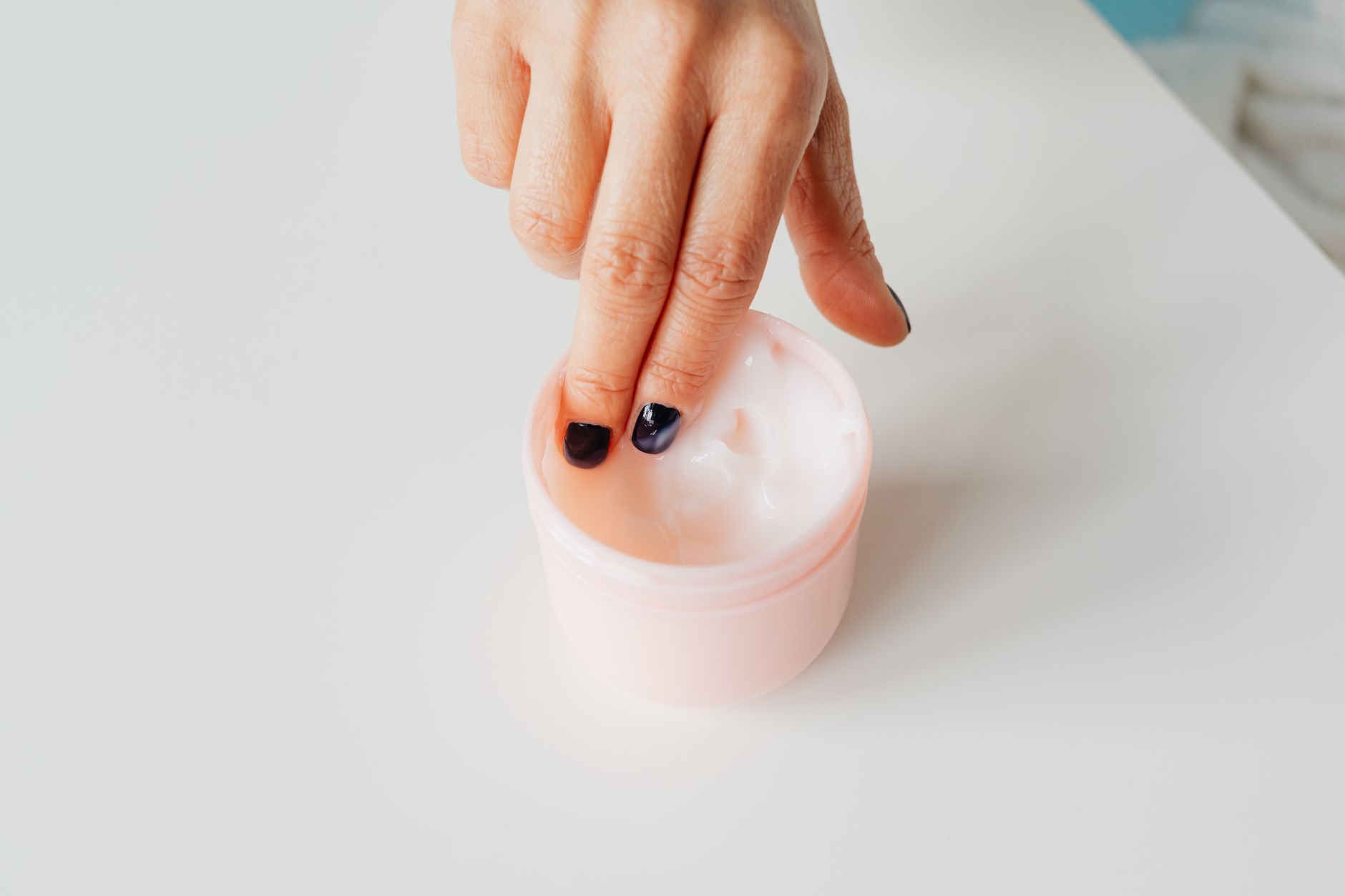
When your skin is angry, it tends to react to things it used to love. Even a classic “for sensitive skin” lotion might suddenly sting. If you have true burning from any cream, even the supposed gentle ones, ointment textures like petroleum jelly or thick healing balms may sound tempting—yes, they can feel greasy, but they bring almost no water, which means less risk of that stinging-on-contact burn. Still, there’s no universal safety here. Petrolatum-based products can sometimes cause clogging or small pimples if your skin is acne-prone, and a surprising minority of people react even to plain petrolatum.
Lightweight gels and fluids, on the other hand, often have more humectants, but with a compromised barrier, those water-loving ingredients can sometimes draw out moisture and—worse—sting. A midweight cream (non-fragranced, without denatured alcohol) is the safest general bet for many, but I’d advise buying a small tube first. Even the most hyped “barrier” creams can surprise you with a bad reaction. It’s worth scanning ingredient lists for anything your skin’s hated in the past—even old standbys sometimes slip in new preservatives or fragrance blends.
What to Double-Check on Labels (and What to Skip for Now)
With sensitive, raw skin, it’s astonishing how hard it can be to find a cream without sneaky irritants. Here are three label red flags to watch for:
- Fragrance—including “unscented” products that still have masking agents or essential oils
- Denatured alcohol (often listed as ‘alcohol denat’ or SD alcohol), which dries and irritates
- Certain “barrier actives” (ceramides, peptides, niacinamide) that are great on stable skin but can sting if used too soon on open, raw, or peeling areas
It’s not just about the major ingredients, either. Sometimes even a tiny amount of botanical extract—a drop of lavender or citrus for marketing—is enough to set things off. “Sensitive skin safe” on the packaging guarantees nothing. My personal editorial pause: I avoid new formulas even from brands I trust, unless I can double-check every change. Formulas shift quietly, with little warning on the shelf.
If Every Moisturizer Stings or You Can’t Stand the Feeling
Here’s where things get blunt. Sometimes your skin just won’t let you use anything for a day or two. That’s frightening, and it feels like neglect, but it’s often safer than continuing to try new formulas. If cleansers hurt, even water can be enough for a brief stretch. Moisturizer making things worse? Skip it for a day, keep your face protected from wind and sun, and revisit once the acute burning calms. There’s no award for pushing through pain, and the “just one more product” mindset often drags out the cycle. If you have open cracks or signs of infection, though, this is the line where home care stops—ask a professional.
If a balm or ointment like plain petrolatum feels tolerable (not stinging or sticky enough to make you miserable), it can act as a temporary shield. But don’t power through a reaction thinking it’s just an initial tingle; if it burns, off it goes.
The Dilemma of Rich Creams for Acne-Prone or Oily-Sensitive Skin
It’s tempting to assume richer means safer, but thick creams packed with occlusives can become a problem if your skin leans toward acne or even seborrheic dermatitis. An ultra-heavy moisturizer may trap heat and worsen redness or pore congestion. For these cases, I’d hesitate before recommending ointments as a universal bandage. Sometimes a bland, light gel cream (still fragrance- and alcohol-free) is the best of imperfect options, even though it may not “seal” as much as heavier products. It’s always a tradeoff: comfort now versus possible flare-ups later.
If you have a history of breakouts from butters or waxes, be wary—the “calming” cream that’s perfect for someone else could become your next trigger.
When Moisturizer Shopping Isn’t Your Priority Anymore
If your skin is only a bit flaky or feels less tight already, you may not need to add anything new. Give current products a chance to work—sometimes, recovery just means backing off actives and holding steady. This routine shuffle is lower priority if your skin is on the mend and not calling out for urgent fixes. And if things get worse, never improve, spread, or leave you worried, reroute to a dermatologist. A stubborn cycle of burning, cracking, or severe discomfort isn’t something any tube or jar at the store will safely handle at home.
Sometimes, all you can do is wait—and not intervene. If nothing feels tolerable, time away from new purchases and complicated routines is not just sensible, it might actually be the fastest route back to normal.
Related reading
Sources
Disclaimer
This article is for educational purposes only and is not medical advice. If you have severe irritation, eczema, rosacea, acne, allergies, or a persistent skin condition, consult a dermatologist before changing your skincare routine.