
Sometimes a new “soothing” ingredient feels like one more thing to chase, especially for readers who are already piecing together a pared-back routine. Allantoin, for example, keeps showing up on packaging aimed at sensitive skin—presented as a magic fix, a preventive shield, or a post-irritation tool. But how often do these promises really matter in daily choices? For most, the work is figuring out whether allantoin is actually worth a spot on the counter, or just passing through on ingredient labels without real effect.
Quick Answer
Learn allantoin in skincare with sensitive-skin guidance, routine examples, ingredient cautions, and practical next steps.
Should You Reach for Allantoin After Skin Trouble?

Imagine the situation: you went a little too hard on exfoliation, or a new product just didn’t sit right. The skin feels angry, maybe stinging or flaking. At this point it’s tempting to dig up anything labeled “calming,” and allantoin often lands in that category. I’d be careful to keep expectations modest. A moisturizer with allantoin might take the edge off irritation, but it won’t erase redness overnight. When skin is really reactive, most of what happens is just time—and sticking to the simplest products that don’t add more fuel to the fire. Often, even a basic cream without allantoin helps just as much, provided nothing in it causes further trouble.
Sometimes, a supposedly “soothing” ingredient is just along for the ride. Allantoin is not likely to hurt, but it’s rarely strong enough to feel transformative if your skin barrier is really thrown off. I’d rather stop everything unfamiliar and focus on gentle, proven basics, then maybe revisit allantoin later if things have quieted down. That’s a less satisfying answer than the labels give you, but it’s just true.
Switching to Allantoin When Retinoids Dry You Out
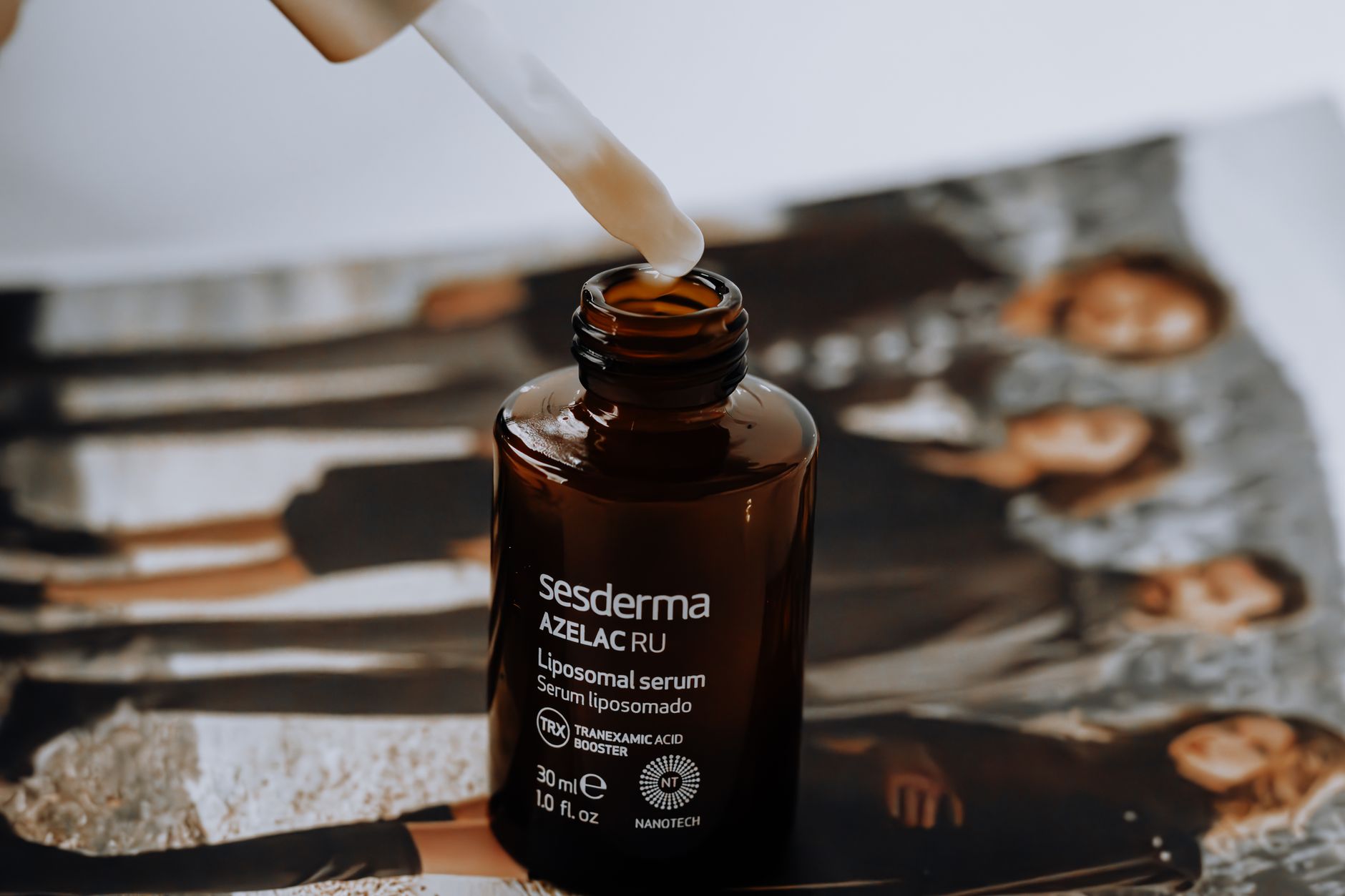
If you’re adding a retinoid, dry and patchy skin can sneak up—sometimes weeks after starting. A parade of moisture-focused options lines the shelves: oat, panthenol, and, of course, allantoin. Should you drop your old moisturizer just for this ingredient? I don’t, unless my current favorite is suddenly struggling where dryness or burning are concerned. Most of those “soothing” claims blur together, and it’s hard to separate one gentle additive from the next in real use.
There’s a case for trying a straightforward moisturizer with allantoin high on the list, if you feel like you’ve pared down enough and nothing else is helping with retinoid flaking. Still, don’t expect too much. I’d be wary of anything advertising a jungle of trendy calming agents; they’re more about marketing than performance, and can make it hard to know what’s actually helping (or causing problems). If it’s a new product, or your skin’s extra jumpy, approach slowly—and avoid getting caught in the cycle of swapping too many things at once. One change at a time is easier to troubleshoot if irritation bumps up.
Do Allantoin Face Mists and Toners Actually Change Anything?
Many toners and face mists now sneak in a micro-dose of allantoin, usually for “added comfort.” But unless it’s one of the main ingredients, these mists won’t shift recovery or prevent sensitivity in a big way. Hydrating with water, glycerin, or a plain gentle toner covers what most skin needs—especially for maintenance. If you like the ritual, fine. But I wouldn’t recommend tracking down an allantoin mist unless your skin is freshly raw and you want every little bit of comfort you can get. Otherwise, it often just feels like a way to add an extra step (and expense) with little difference in outcome.
One quick note: If you notice even the plain options are stinging, that’s when some will reach for every “soothing” hydrating toner on the market, but it’s still usually smarter to stop most actives and take a break than pile on another mild-sounding bottle. That’s a blunt point, but sometimes the neat solution isn’t a product at all.
How Many Soothing Ingredients Do You Need—And When Is It Too Much?
Ingredient lists can read like a roll call of calm: oat, centella (cica), panthenol, allantoin, bisabolol. These overlap enough that layering all of them rarely makes sense, unless you’re troubleshooting something unusually stubborn. For most, picking one or two is plenty—often, simpler is safer, and easier to track if things flare up. Personally, if I’ve just had a bout of irritation, I avoid new concoctions stuffed with every soothing trend at once. It makes it almost impossible to tell what’s working—or what’s making things worse.
Here’s where I’d pause: if you find a simple moisturizer, no perfume, with one or two familiar soothing ingredients (and allantoin is one), that’s usually a solid starting point. But if a formula is stacking up soothers just for the label, or everything else about it is also new, it’s easy to lose sight of what’s actually making the difference.
Allantoin Isn’t Always Worth Chasing—Skip It In These Cases
Bigger picture: there are plenty of scenarios where allantoin simply isn’t worth attention. If your skin is steady, not recovering from any recent drama, and you’re not introducing actives or harsher treatments, agonizing over this additive is extra work for little reward.
- Your skin is calm and you’re not touching anything else in your routine—skip the search for allantoin.
- The soothing product you already use is working, with oat or centella or panthenol—chasing a fourth “calming” name isn’t likely to make a visible difference.
- The only allantoin in sight is near the end of an ingredient list—it’s just for optics at that dose.
The blunt truth: most people don’t miss out by skipping allantoin, especially if routines are trimmed down and nothing is actively bothering the skin. The only real caveat—if you’re someone who changes routines fast or jumps on every new product, the urge to add more “soothing” can make things messier, not calmer. Sometimes the only smart move is to stop optimizing and leave the next new soothing label alone.
Related reading
Sources
Disclaimer
This article is for educational purposes only and is not medical advice. If you have severe irritation, eczema, rosacea, acne, allergies, or a persistent skin condition, consult a dermatologist before changing your skincare routine.