
The retinol sandwich method keeps popping up as a possible answer for sensitive, irritation-prone skin. Most readers looking at this technique are not browsing out of idle curiosity—they’re standing over the bathroom sink with a question: “Does this genuinely help me dodge redness and flaking, or am I wasting moisturizer and time?” A little skepticism is absolutely warranted. Sensitive skin has every right to pause before embracing a routine that sounds more complicated than comforting.
Quick Answer
Learn retinol sandwich method with sensitive-skin guidance, routine examples, ingredient cautions, and practical next steps.
Is Layering Worth It When You’re Already Using Simple Moisturizers?
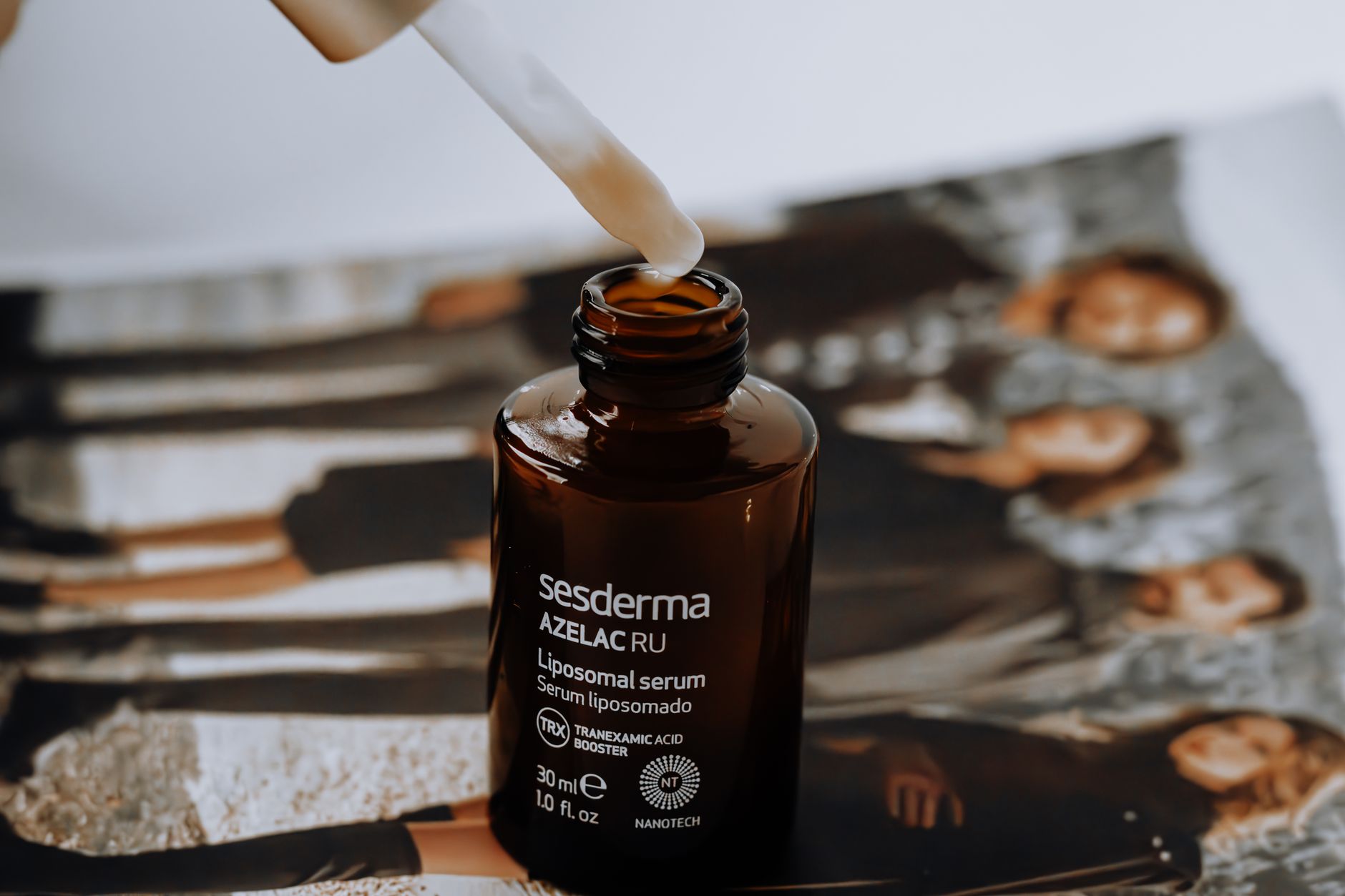
If you already stick with a very plain, fragrance-free moisturizer and are wondering whether the “sandwich” is wise, there are two forks in the road. One: you layer a thin coat of your usual moisturizer, then the retinol, then seal it in with a bit more moisturizer on top. Two: you skip the sandwich and use either moisturizer or retinol—rarely both, rarely together. Each feels sensible for different reasons, but not equally so for every skin.
Some people worry extra layers will help buffer irritation. Sometimes, they do. Sometimes, especially for textures heavier than your skin can comfortably absorb, this simply means waking up sticky or with an extra patch of clogged pores that wasn’t there last week. “Bland” is good, but “heavier and more” is not always better. If your moisturizer is the most boring, tolerable thing in your cabinet and has never triggered breakouts or stinging, it might pair reasonably with low-strength retinol—if you’re willing to tolerate the risk that more steps don’t always equal more comfort.
The Real-World Tired Night Test: Adding Layers vs. Less Effort

Pinched for time at night, already juggling the distractions of daily life, most will not savor a three-step sandwich process unless the payoff is obvious. Adding one more layer—especially with the hope of soothing anticipated irritation—can quickly slip into a ritual that feels tedious or a barrier to consistency. If you find yourself gritting your teeth while massaging in the “bottom slice” of moisturizer only to want to skip everything after, that’s a signal: no routine, no matter how hyped, is worth disrupting regularity or triggering resentment.
On weeks when I’m tired or my skin is looking lackluster but not actually irritated, I’ll cut the elaborate sequence and just use moisturizer. Missing one night of retinol won’t erase weeks of progress; missing restful sleep might set your skin back more.
Already Flaked Before? Is the Sandwich Enough to Try Again?
If you’ve flaked or stung from retinol before and are now considering if the sandwich will save the day, here’s the unsatisfying middle: sometimes the method helps, sometimes it just delays irritation instead of preventing it. For some, buffering with moisturizer allows starting over from a smaller “dose,” helping retinol slide in under the radar without such a dramatic reaction. But occasionally, skin still rebels days later. If you already know your skin history, go slower than instructions advise and do not worry about “falling behind”—once-a-week launches are fine, and pausing at the earliest sign of heat or tingling is not a sign of failure. It’s a sign you’re paying attention.
One candid caveat interrupts the sandwich’s neat logic: even the blandest, “safe” moisturizers are not universal allies. Scent, essential oils, or even certain silicones can backfire on sensitive skin. Very lightweight gels sometimes increase stinging instead of buffering it. If you haven’t yet identified a moisturizer that never, ever backfires, that’s the real place to start. Not layering, not retinol.
If Irritation Creeps In: Pause, Don’t Push Through
No method—sandwich, split-application, or slow-dosing—can promise immunity from irritation. If your skin starts prickling, burning, or feeling rough at the edges, stop entirely and reassess. There’s no badge for pushing through in the name of “gentle” retinol. In real life, a single sign of stinging is a full stop. Sometimes “gentler” routines still cause problems because they simply drag out your skin’s adjustment period.
Bringing your skin back to comfort is more important than proving a method “works.” Retreating to nothing but a gentle cleanser and a no-frills moisturizer is a reasonable reset. This isn’t failure. It’s necessary pacing.
When the Retinol Sandwich Isn’t Even on the Table
Sometimes, this method—or retinol in any form—is simply not the priority. If you aren’t concerned about rough texture or persistent clogged pores, or if you’re content with your current gentle routine, there’s little reason to complicate things chasing distant “what ifs.”
If your skin barrier is actively angry (itching, peeling, or red), or you’re navigating eczema or a fresh round of sensitivity, adding layers and a new active isn’t even on the menu. In these situations, focus is best spent identifying (and repairing) barrier impairment instead of sandwiching anything.
It bears repeating: not every skin needs, or benefits from, more steps—and more layering is never a shortcut to peace. The simplest routine—cleanser and a safe moisturizer—will always be preferable during flare-ups or uncertainty. There’s quiet confidence in deciding, “not tonight, not now.”
My own editorial pause: I would avoid even the gentlest retinol, layered or not, if the baseline comfort of my skin wasn’t reliably steady. All the tips in the world won’t trump the value of your skin feeling—well—fine.
Related reading
Sources
Disclaimer
This article is for educational purposes only and is not medical advice. If you have severe irritation, eczema, rosacea, acne, allergies, or a persistent skin condition, consult a dermatologist before changing your skincare routine.