
It’s a strange kind of frustration: your skin suddenly feels raw, flaky, and unpredictable, and you’re squinting at shelves or ingredient lists, wondering if a serum will actually help—or just add fuel to the fire. If your skin barrier is out of sorts, the idea of “barrier-repair” serums might sound promising. Sometimes that’s true. But there are times when a serum will absolutely make things more complicated, especially for those who already lean sensitive or react to little changes. I see a lot of readers in this situation: everything feels like it stings, moisturizer alone isn’t cutting it, and the step-by-step guides online aren’t saying what to skip or strip back. Let’s talk through how you might choose (or deliberately not choose) a serum when your skin barrier is complaining.
Quick Answer
Choose best serums for damaged skin barrier with sensitive-skin criteria, texture notes, who should skip, and label-check reminders.
Product note: Brands update ingredients and labels often. Pricing, availability, and packaging change, and even the “classic” formulas might tweak something minor that matters for sensitive skin. Calm Skin Guide earns commissions through some purchase links; always verify the current label—and your own comfort—before a new addition. Try new products slowly. If you feel burning or stinging, just stop right away.
Routine Overload: Why Fewer Products Can Do More for a Stressed Barrier

When your face is hot, stingy, or flaking from climate, medication, or a harsh new product, even the best-formulated serum might make things worse. If your skin burns with basic moisturizer, adding a “repair” serum isn’t just low-priority—it can push your recovery backwards. I would personally freeze all new add-ons if moisturizer alone gave me any irritation, even if the box brags about sensitive-skin credentials. Minimal routines really are less risky when your barrier is damaged: a gentle, fragrance-free, plain cream is usually the safest bet. No serum, no toner, nothing except sunscreen by day. The pressure to act—try more!—often backfires right here.
Sometimes, the hardest choice is to do nothing new. If you’re seeing visible flakes, stinging, or even tiny cracks at the corner of your mouth, treat your skin as you would a new tattoo: protect, avoid fuss, keep everything extremely bland. That’s the time to put every serum, no matter how hyped, on hold.
Choosing a Serum: Ingredients, Texture, and the Real-World Skip Signal
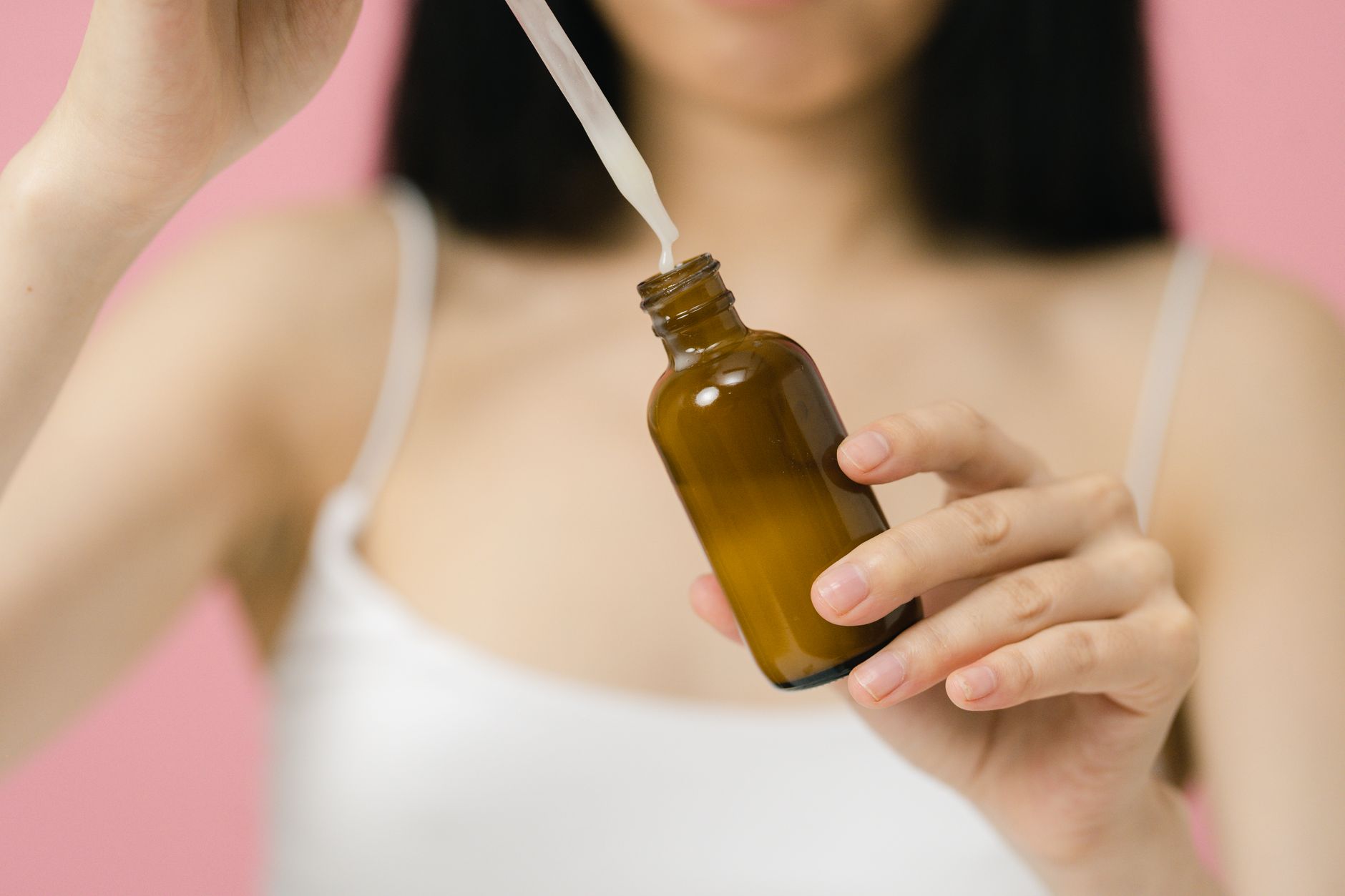
Maybe your skin feels a little less raw—moisturizer is comfortable again, and things are looking dull, not desperate. Here’s where a serum could help, but ingredient-level skepticism matters. Criteria for selection: fragrance-free on the label, and double-check that the ingredient list isn’t hiding irritants like citrus oils, floral extracts, or “invigorating” components (peppermint, menthol, eucalyptus especially). Even “unscented” can trip up; the tiny font at the bottom sometimes tells a different story.
Texture matters, too. Thin gels with lots of alcohol or high-silicone content can ball up under moisturizer or make sunscreen slide off—trust me, there’s nothing more annoying in the middle of a rushed morning. Creamy milky serums feel better in dry, tight weather, but may overwhelm those who break out easily or live in humid climates. In summer, a lightweight, quick-absorbing serum can work, but if you’re layering multiple products, even the best barrier formula can start feeling sticky, clogging, or just “too much.” For mild days, less is nearly always safer—skip if uncertain.
Just interrupting—sometimes even “popular” barrier serums don’t work for you, no matter the hype. You might read lists or reviews that insist on a top pick. Still, if it tingles, balls up, or leaves you red the next morning, it’s out. That’s a non-negotiable in my own book.
Mornings in Real Life: Out the Door with Flakes and No Room for Error
You wake up and the mirror shows peeling, redness, and maybe last night’s moisturizer didn’t do much. You’ve got ten minutes before work. Is this when you should risk a serum?
This is the “workflow” moment you can’t ignore. For a basic-speed morning, I’d pare everything down and only consider a serum if it feels like water or a lotion—nothing sticky, fragrant, or full of trendy actives. Avoid anything with vitamin C, exfoliating acids, or “skin cycling” promises. Use a quarter of the typical amount (less is calmer), wait a few full minutes before layering moisturizer or sunscreen, and don’t layer two new things at once. If it pills, stings, or feels hot, wipe off and stick to the basic moisturizer. Not every routine has room for an extra layer—sometimes it actually makes things slower and messier, not better.
The fastest recovery can come from dropping steps, not adding them. I would pause any new serum testing completely if my skin was mid-flare.
Ingredient Red Flags: Niacinamide, “Miracle” Claims, and the Caution Rule
Niacinamide gets promoted as the “barrier repair” savior, but not every formula is equally skin-friendly. Concentrations over 5% can irritate—anything advertising itself as 10% or more is usually too much for easily upset skin. Even “tried-and-true” soothing ingredients like centella, panthenol, or oat often come paired with plant oils that cause setbacks. Go slow: introduce a single new serum at night, on a day you’re staying home, and wait to see if there’s any heat, tingling, or flush in the hours after.
An aside: a lot of serums built for “barrier support” are packed with silicones or waxy textures. These can be fine for some, but if you hate tacky residue or layering under SPF, you may want to skip altogether, at least for daytime. If it leaves my skin feeling filmy, I stop using it until my skin seems stronger.
If you notice lasting redness, scaling, new bumps, or any hint of stinging after a week of gentle use, do not keep using the product. A serum labeled “repair” does not mean your skin has to tolerate it. That’s the end of the story for that bottle (and frankly, don’t let the price tag talk you into another round of “wait and see”).
Serum Isn’t Always the Priority: When Less (or None) Is Smarter
Not every flaky patch needs a new step. Mild roughness, almost unnoticeable irritation, or minor texture shifts are usually best handled by a plainer routine—fragrance-free moisturizer, cautious cleansing, and cutting back on hidden harsh products. If you’re already using prescription treatments (like tretinoin or strong acne creams), serums are low-priority and can even complicate things. Sometimes you need to skip serums entirely and stick with simple barrier care for two or three weeks, checking if your skin sorts itself out.
- If moisturizer stings: skip all serums and keep the routine plain for now.
- If prescriptions are making things peel or burn: don’t layer on a serum, even a “barrier” one. Simplify first.
- If there’s minor scaling, but comfort is fine: a thicker plain moisturizer is usually safer than a serum.
Give any new serum at least three slow weeks before expecting visible changes. If nothing improves, or if things get worse, remove it from your routine—no need to justify a regret purchase.
Ultimately, the right “barrier repair” serum depends on spotting ingredients that skip your triggers, textures you can tolerate with your real workflow, and honestly, a willingness to pause the hunt altogether if your skin is already on edge. Sometimes the best barrier fix is less attention, not more.
Related reading
Sources
Disclaimer
This article is for educational purposes only and is not medical advice. If you have severe irritation, eczema, rosacea, acne, allergies, or a persistent skin condition, consult a dermatologist before changing your skincare routine.