
You’re staring down the latest suggestion for temperamental, reactive skin: Zinc PCA. Some brands pitch it as a non-drying oil controller or a “calming” ingredient for blemishes, quietly slipped into soothing serums or mattifying gels. The advice always sounds easy—add this one thing, get less shine, skip the redness. If only it were that simple. The reality: Zinc PCA is one of those ingredients that floats in and out of routines for people with sensitive skin, but whether it truly deserves a permanent spot is rarely as straightforward as social media or product blurbs imply.
Quick Answer
Learn zinc pca in skincare with sensitive-skin guidance, routine examples, ingredient cautions, and practical next steps.
Shiny Forehead, Sensitive Skin: Should You Even Try Zinc PCA?

Your T-zone gleams by mid-morning, even as your cheeks sting or flake at the first sign of anything “oil controlling.” Friends with sturdier skin throw around recommendations—clays, acids, mattifying toners—and you mostly nod, knowing those set your face on fire. Zinc PCA gets promoted as “kinder” to reactive skin. And sometimes, it is a gentler alternative. But no, it’s not automatically safe. If you’ve lately patched, peeled, or felt that telltale burning after introducing a new moisturizer or serum, I would pause before adding any new active—even one promising to solve the oil/irritation puzzle. Living with sheen for a few weeks is a different kind of hassle, but it’s less dire than tipping your skin into a full-blown reaction spiral.
But here’s where I break neat advice: if you’re not in a crisis, and your skin is “only” a little annoyed with small, consistent oily areas, a mild moisturizer or toner with Zinc PCA (and not much else) is sometimes worth a try. Go as low and infrequent as possible, and skip formulas where it’s bundled with alcohol, fragrance, or a dozen actives aimed at “acne-prone skin.”
Zinc PCA For Redness or Breakouts—Proceed With More Caution Than Labels Suggest
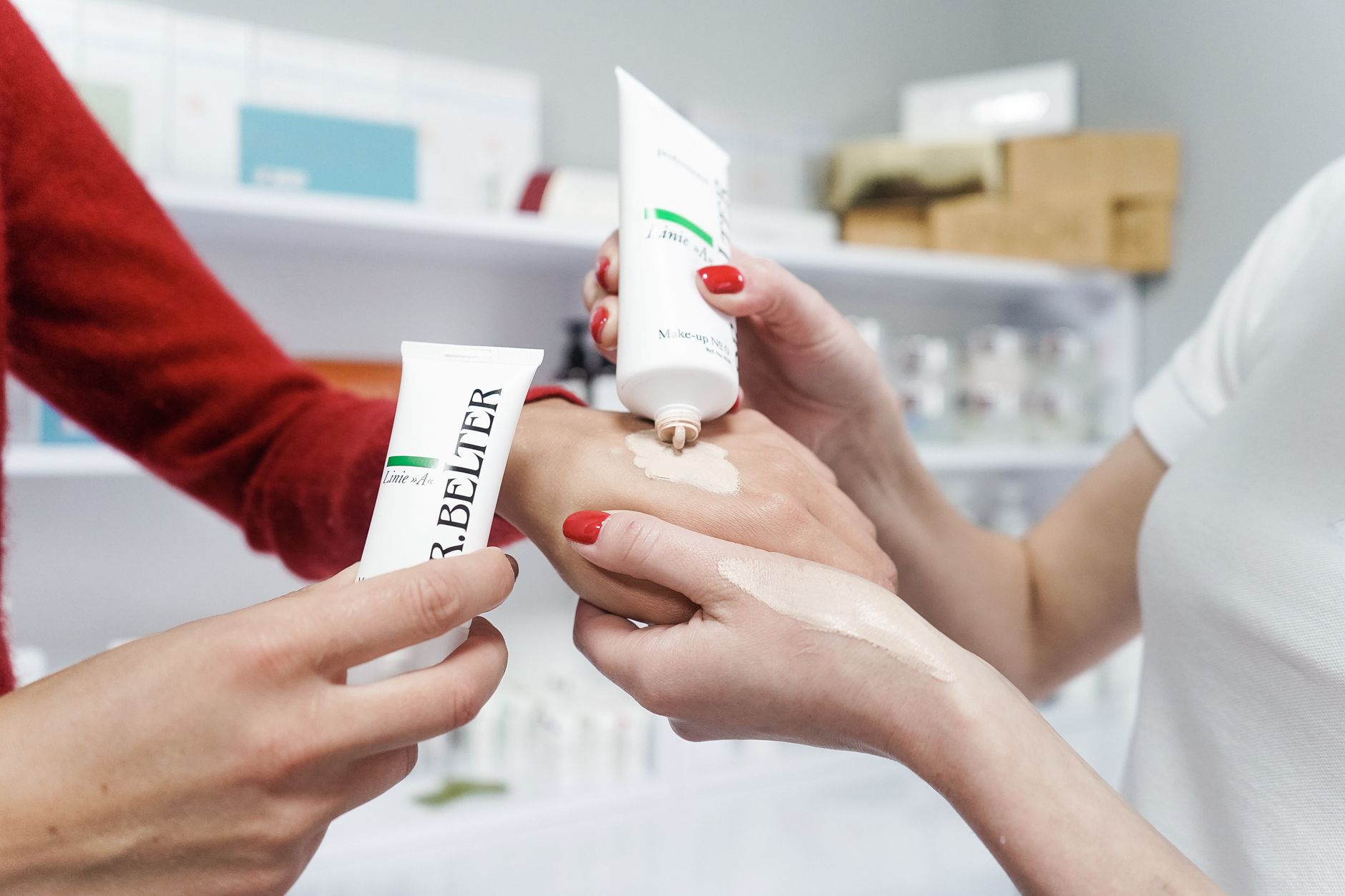
If you’re dealing with a red breakout zone or an itchy flare, it’s easy to fixate on the word “calming” wherever it appears. Zinc PCA is often tucked into products aiming to soothe visible blemishes, and sometimes it does help dial down look-at-me spots without the scabby aftermath of typical drying gels. Unfortunately, this isn’t always how it plays out—especially for the most sensitive or barrier-compromised skin.
If you’ve ever swiped even the “mildest” serum onto raw skin and felt instant stinging, you know the risk. I’d honestly skip any new actives, Zinc PCA included, if my skin felt sore, extra thin, or irritated after an allergic reaction or harsh routine. Stressed skin likes fewer ingredients, not more. The urge to tackle every little flare at once is strong; I’ve done it myself and regretted it every time. Best to let breakouts fade and the barrier repair before rerouting the routine with add-ons.
Layering: Tempting, But Not Usually Worth It for Sensitive Skin
Layering multiple “gentle actives” is a trend that seems logical until your skin revolts—alpha hydroxy acids, BHA, niacinamide, and then a Zinc PCA serum thrown into the mix. Honestly, it gets unruly fast. Maybe the compulsion is boredom or hope for faster progress, but more often than not, the result is prickly and tight skin, not the even calm you want.
If I review a routine that’s grown this complicated, I’d gut it back to basics for at least a week or two: dull cleanser, a no-nonsense bland moisturizer, nothing exfoliating. Zinc PCA does not get a pass here just because its reputation is “gentle.” This is one of those times the skin’s feedback is real—any new redness or stinging is a red flag, not something you push through.
This move isn’t glamorous, but it tends to work.
When Zinc PCA Isn’t Worth Your Attention
Despite all the hype, not everyone benefits from hunting down a Zinc PCA product. In fact, for a lot of people with dry skin, or those whose breakouts are rare or who deal more with flushing and irritation than oil, Zinc PCA shouldn’t even be on the shopping list. Here’s when I cut it out of consideration entirely:
- Stable, non-oily skin—no need to add actives “just in case.”
- Acute flares, allergy reactions, or ongoing dermatitis—barrier repair should outrank any attempts to control oil or redness with new ingredients.
- Routines that have finally achieved calm after months of trial and error—don’t rock the boat chasing the next “must-have” calming agent. Stability wins.
One blunt caveat: even for oily types, plenty of Zinc PCA blends are little more than marketing flavor; formulas sometimes contain barely perceptible concentrations, or worse, are bulked with other things your skin might hate. Check the label carefully. If the ingredient is way down the list, or paired with irritants, ignore the hype and keep moving.
If You Do Try Zinc PCA, Take the Smallest Step—And Be Ready To Quit
If you still feel drawn to Zinc PCA, do less than you think you need. Look at ingredient lists for “extras” and skip those that tout a cocktail of anti-acne stars—especially anything with menthol, alcohol, or strong acids. Gel-cream textures without fragrance are least likely to trigger a disaster. (Don’t bother with spot treatments packed with Zinc PCA as their headline selling point—these tend to be either so weak they do nothing or so aggressive they do harm.)
But even with what’s billed as “gentle” or “calming,” initial stinging is possible. Zinc PCA isn’t magically non-irritating. Test a dab under your jaw or behind your ear for a few days first. If you’re on prescription skin medication or your routine is already crowded, that’s another reason to slow down or check in with your provider before you add another layer. Safety wins over novelty here.
Too often, the urge to adjust routines is just that—an urge. If your skin is in meltdown, or you’re cycling through raw patches, there is no “hero active” to fix it. Don’t let anyone talk you into chasing that fix.
If You’re Bored Or Want To Experiment—Pause and Re-Think
Sometimes the temptation to grab a new serum is nothing more than routine fatigue. I get it. But honestly, steady skin is reason enough not to tweak. Chasing tiny gains or following the latest trend—especially if you’re sensitive—rarely ends as planned. Skin likes predictability far more than novelty.
Last thing: Zinc PCA may help in the margins, but if your skin is screaming, go back to basics until the storm passes. Then you can think about extras. Not before. Sometimes “do nothing” is the best move, even if it feels oddly unsatisfying.
Related reading
Sources
Disclaimer
This article is for educational purposes only and is not medical advice. If you have severe irritation, eczema, rosacea, acne, allergies, or a persistent skin condition, consult a dermatologist before changing your skincare routine.