
You’re staring at a bottle—serum, mist, maybe that “calming” toner with green tea shouting from the label. Skin feels buzzy after cleansing, a hint too pink despite your best gentle routine. You want something to dial it down, not start another cycle of stinging and regret. Is green tea actually worth a spot in your sensitive skin routine, or is this just another tempting promise heading for the back of the shelf? Here’s where my own editorial instincts land—plus a few places I’d step back instead of moving forward.
Quick Answer
Learn green tea in skincare with sensitive-skin guidance, routine examples, ingredient cautions, and practical next steps.
Let’s not overthink it: most sensitive-skin decisions aren’t about chasing ingredients, but about not making things worse. Still, green tea keeps popping up in “calm” products, and it isn’t just hype—some people do find relief. But nearly as often, the story veers off-script. Below, a few situations you might want to think about before grabbing that green-tinted bottle.
Post-Cleansing Redness—Does Green Tea Do Enough?

That flushed look (or the tingle that says “maybe you cleansed too well”) is a tough moment. Green tea extract might help, but only if the rest of the formula isn’t sabotaging things. If that soothing toner is loaded with alcohol, citrus oils, or hidden fragrance, you’re just swapping one irritant for another. In this situation, I’d rather take a breath and use a plain, reliable moisturizer than add an untested green tea product to vulnerable skin. Try the new thing later, not when skin’s signaling distress. And a quick interruption: sometimes even the calmest-claimed formulas leave a slightly sticky film some folks never get used to. Not a hazard, but it knocks the “invisible comfort” you wanted from a calming step.
As a rule—not every day, but often enough—I find skipping “soothing” extras after cleansing lets my skin decide what it actually needs, instead of adding a product just to feel like I’m responding.
Checking Ingredient Lists: Not Everything Green Is Gentle
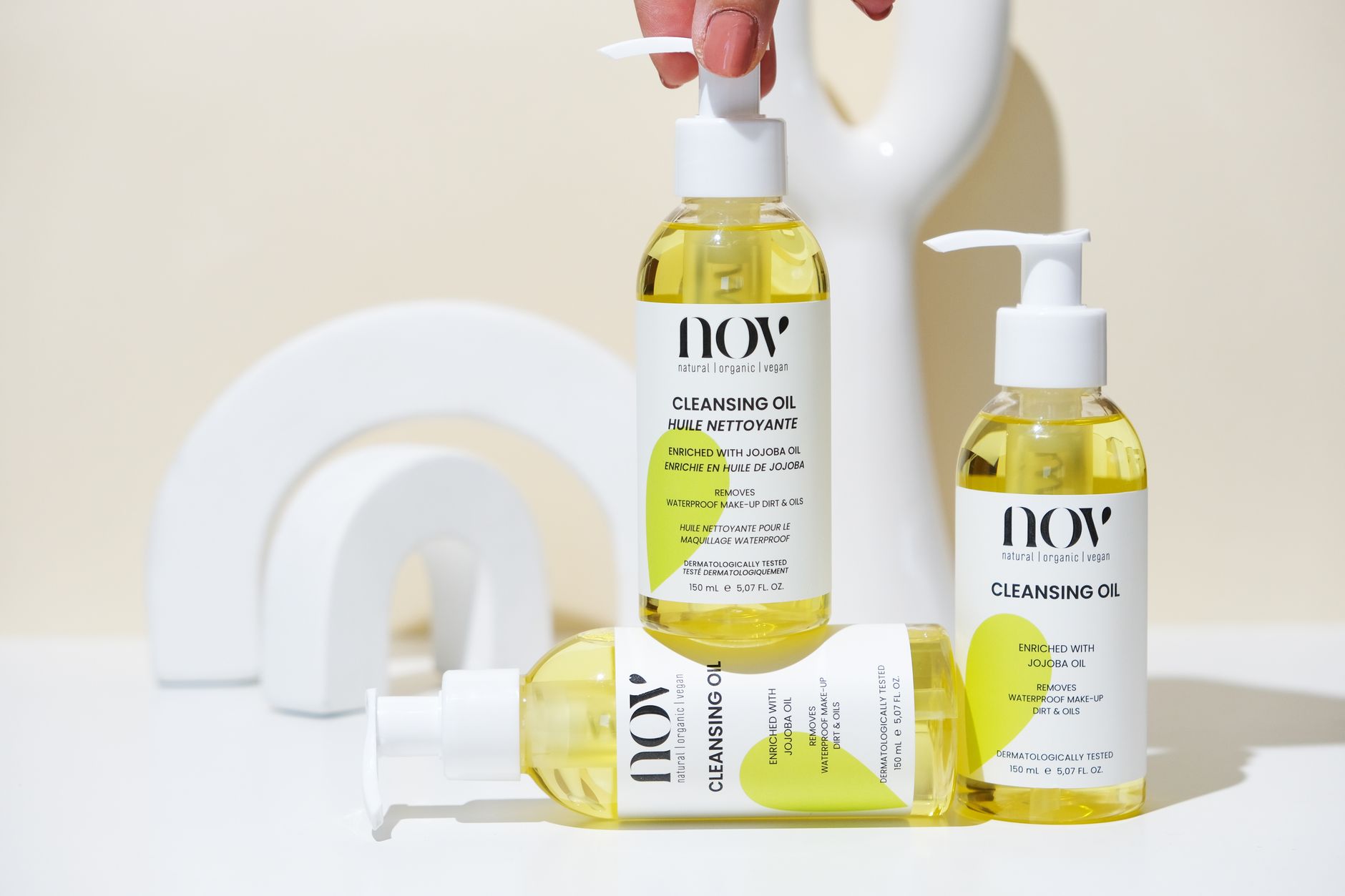
Just because “green tea” lands on the label doesn’t mean the formula’s simple or safe for sensitive skin. Some of these products cram a garden’s worth of extra botanicals and scent tricks in there. I get especially cautious when ingredient lists balloon with unpronounceables or when “natural” lines sneak in lavender, citrus, or ambiguous parfum blends—classic triggers disguised as healthy. Here’s a fast criteria list for what I’d skip, no matter how big the green tea headline:
- Anything with fragrance or essential oils (look for ‘parfum’, citrus peel, tea tree, lavender)
- Alcohol in the top half of the list
- Preservatives I know I’ve reacted to before (sometimes it’s the little stuff—phenoxyethanol can bother some folks and not others)
If you’re staring at a label that reads longer than your grocery receipt, or piling on more “actives” than your skin’s seen before, my advice is to slow down. There’s nothing magic about green tea that cancels out other red flag ingredients. Simplify, not multiply.
Green Tea as a Targeted Add-On—Or Just More Clutter?
Sometimes you want one extra tool. After a windy walk or a day in smoggy air, skin can look angry. If your regular moisturizer falls short, testing a single green tea step—like a lightweight serum—could be an option. But add only one thing at a time, and give it room. Layering a green tea essence on top of three other new “calming” products just muddies the results and risks more reactivity. I personally wouldn’t swap a proven, bland barrier cream for an unproven leaf extract just because the world says it’s trending—or because your feed is full of dewy influencers with different skin needs entirely.
Here’s where I get blunt: most flares fade after backing off and protecting your barrier, not chasing after ingredient stories. Still, there are days—unavoidable stress, a weird climate shift—where a calm-down green tea product might actually help you feel more in control, if only psychologically.
The Times Green Tea Drops Way Down the Skincare List
There are plenty of moments when trying green tea simply shouldn’t make your shortlist. If your skin is cracked, visibly peeling, or dealing with a medical flare (eczema, post-procedure, healing from a reaction), skip every non-essential. Don’t let the promise of “soothing botanicals” tempt you; just reach for a fragrance-free barrier repair cream. Your skin needs recovery time, not more variables.
Similarly, when troubleshooting irritation from an acid, retinoid, or even an unfamiliar sunscreen, pushing in a new green tea step—however mild—doesn’t clarify what’s helping or hurting. The best answer is usually subtraction, not addition.
Limits and Blunt Realities of Green Tea Claims
I’d never suggest testing a green tea formula right in the middle of a breakout, allergic rash, or hot, flaring patch. “Soothing” is an advertising word, not a clinical guarantee. Green tea can be surprisingly low-risk, but it isn’t inert—plenty of people have low-grade sensitivity to plant extracts, even ones labeled “gentle.” Wait until skin is quiet, then try slowly on unaffected areas.
There’s also a small correction to the tidy hype cycle: green tea isn’t a do-it-all ingredient, and sometimes it does nothing at all. A smart routine isn’t about chasing every new “calming” promise. One careful change at a time, sometimes none. Double-check product labels, verify formulas if they change, and watch for subtle warning signs—because “mild” stickers don’t mean universal safety.
Sometimes, the only real comfort is doing absolutely nothing new.
Related reading
Sources
Disclaimer
This article is for educational purposes only and is not medical advice. If you have severe irritation, eczema, rosacea, acne, allergies, or a persistent skin condition, consult a dermatologist before changing your skincare routine.