
If you’re staring at your current lineup of creams and wondering whether adding colloidal oatmeal makes any real difference—especially with the waves of new product claims—it’s not an academic question. Sensitive, easily irritated skin doesn’t need more confusion. Whether it’s a winter rash, flaring redness, or new itching, knowing when oatmeal matters and when it’s just another bottle on the shelf can save you more than just money. It can prevent a routine from tipping from calming to chaotic.
Quick Answer
Learn colloidal oatmeal in skincare with sensitive-skin guidance, routine examples, ingredient cautions, and practical next steps.
Choosing Oatmeal When Skin Is Actively Unhappy
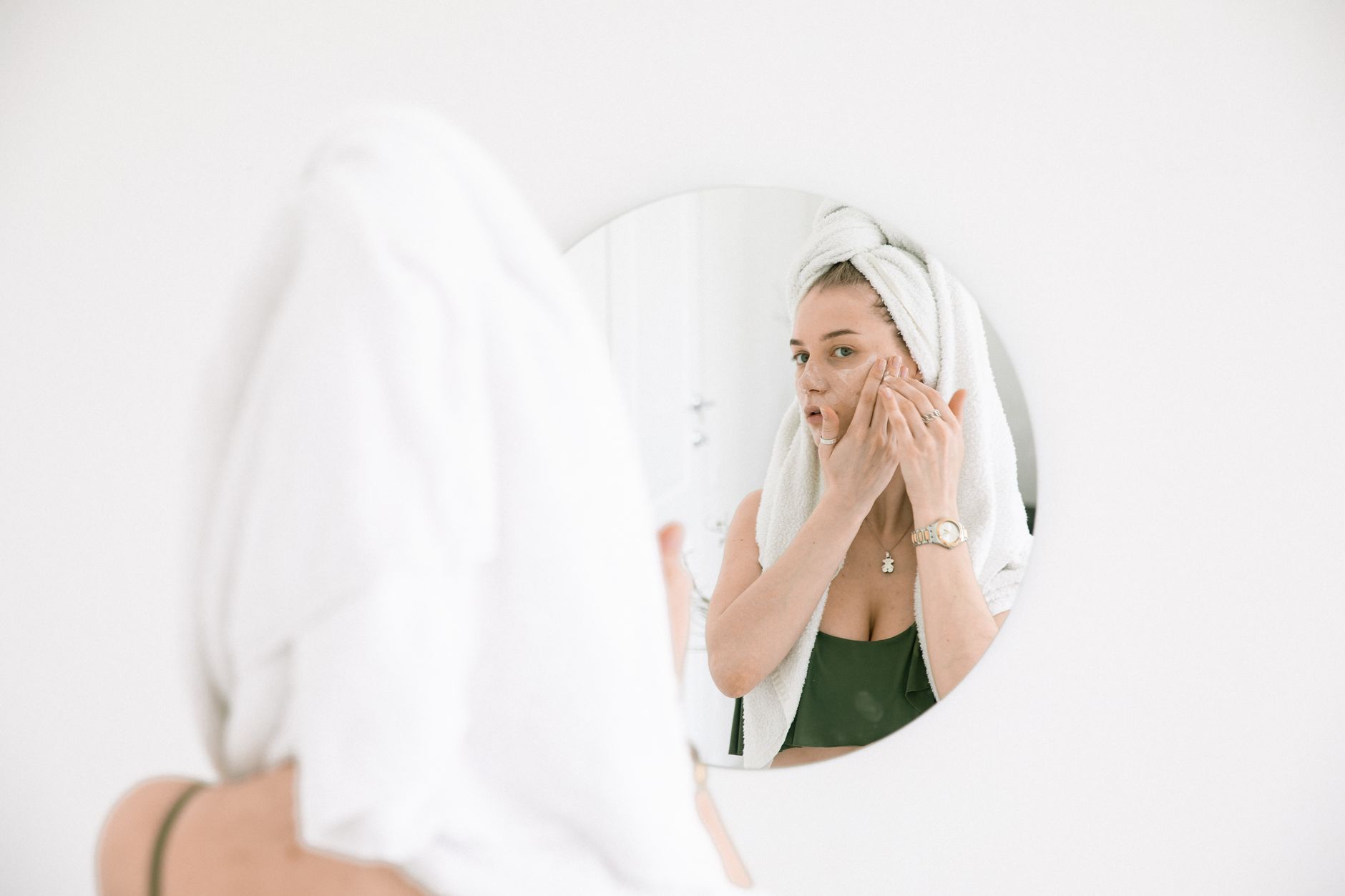
There’s a real difference between dry skin that’s a bit tight by bedtime and the kind of red, itchy, hard-to-ignore skin that interrupts a weeknight—or makes you avoid your favorite moisturizer. When irritation moves from a background nuisance to a full-blown flare, that’s the sort of window colloidal oatmeal can sometimes be useful.
For example: after an afternoon walk in cold winter air, you might notice pink, itchy patches on your cheeks or hands. If plain petrolatum feels too heavy, or if repeated slathering just seems to trap heat and make itching worse, an oatmeal-based cream or a quick oatmeal bath can sometimes break the cycle. The goal here is short-term interruption—cooling things down, reducing itch, and restoring a sense of control over your skin. But it’s not about layering on every oatmeal-labeled product at once. In practice, reaching for a single-purpose, fragrance-free oatmeal cream is a better fit than piling on masks, serums, and lotions in the hope of miracle relief.
When Simpler Barriers (Like Petrolatum) Win Out
If you already tolerate plain petrolatum and your skin is mostly calm—maybe a bit dry at the corners of your mouth, but not flaring—it may not be worth experimenting with oatmeal at all. There’s a reason so many sensitive-skin routines rely on the most basic barrier possible. A thin layer of petrolatum or a single accepted soothing balm does not compete with oatmeal for “active” benefits—it just quietly keeps everything stable.
I’d pause before adding oatmeal anything if you’re in a good groove with your current no-oat routine and aren’t seeing itch, burning, or recurring flakiness. That especially goes for daily maintenance of lips, eyelids, or hands where petrolatum or a non-oat emollient hasn’t given trouble. “More soothing” does not always equal “more calm”—sometimes it just means more variables. In these cases, oatmeal becomes a low priority.
Situations That Call for Caution—or Complete Pause
Still, even in flare season, oatmeal is not universal. If you’re recovering from a laser treatment, recent facial peels, or a severe retinoid reaction, be wary about reaching for oat-based creams. There is a certain threshold—when water itself stings, or even a gentle moisturizer brings burning—where introducing oatmeal products is premature. That’s usually a sign to strip back entirely, not try new soothing actives.
If the urge to layer on soothing products hits in the midst of irritation, I’d recommend pausing and going back to the absolute basics. That means avoidance of newly-acquired oatmeal serums or masks—especially when they include a parade of other actives. (Ironically, these “oat plus everything” formulas sometimes sting more than help.) This is the moment to opt for bland, proven products, or even nothing but a splash of water, until skin stabilizes. There’s a sort of disappointment in skipping a promising ingredient, but sometimes sitting out the experiment matters more than what’s trending.
Specific Examples: When Oatmeal Does—and Doesn’t—Fit
It’s not all or nothing. Sometimes there is a narrow window when oatmeal might make sense:
- Soothing dry, itchy patches on hands in dry winter air (when petrolatum alone feels too occlusive or sweat-trapping).
- A brief oatmeal bath after contact with a mild irritant, if skin is not raw or broken.
- Spot-applying oatmeal cream to eczema-prone body areas, not as a daily face product.
But oats are not a cure-all. For mild daily dryness, especially on the face, sticking with the plainest tolerable barrier may actually mean fewer setbacks and better tolerance over time.
If Skin Is Calm, This Should Be Low on Your List
This is the overlooked reality: if you’re not experiencing flares, visible redness, itching, or recent procedures, oatmeal is largely a lower-priority experiment. Sensitive skin thrives on routine and predictability. Sometimes the best option is to do less, not more, especially if your trusted balm (petrolatum or not) keeps things untroubled.
If, for instance, you tolerate just a touch of cleanser and then plain petrolatum daily, and wake up with comfortable skin, adding any oatmeal cream is unnecessary risk. The desire to chase every trending calming ingredient is easy to understand—nobody wants to miss out on relief—but that drive itself can produce setbacks.
An Uncomfortable Pause for Allergy and Exceptions
Not every “colloidal oatmeal” product is as innocent as it sounds. There are rare but real oat allergies. And if you have celiac disease or intense gluten sensitivity, oats (even in skincare) can sometimes be contaminated with gluten, which adds a separate layer of risk. This typically gets buried in footnotes, but it’s worth the interruption: new oat products are not automatically safer for every sensitive-skinned person, and sometimes skipping them entirely is smarter than investigating every ingredient list.
In summary, colloidal oatmeal can have a place in the sensitive-skin toolkit—but less as an everyday staple, and more as a strategic option for those specific, uncomfortable moments when plain moisture isn’t enough. When things are calm, it’s wiser to treasure the simplicity you’ve already built. When flares strike, use oatmeal thoughtfully, and never let “extra soothing” tip your routine into new trouble.
Related reading
Sources
Disclaimer
This article is for educational purposes only and is not medical advice. If you have severe irritation, eczema, rosacea, acne, allergies, or a persistent skin condition, consult a dermatologist before changing your skincare routine.