
A sensitive-skin reader facing a fragile-feeling skin barrier is in a tough spot: should you exfoliate, wait, or stop entirely? This isn’t just a question for skincare theorists; it’s a real-world problem that comes up after a week of chasing glowy skin—maybe with a few too many layers of acid toner—or from a cold, windy day, or one overzealous wash with a foaming cleanser you knew was risky. The urge to “fix” roughness by exfoliating can be strong, but the potential for setback is real. Here’s my practical field note, with more hedging than heroics, for making the call when your barrier is on edge.
Quick Answer
Learn can you exfoliate with a damaged skin barrier? with sensitive-skin guidance, routine examples, ingredient cautions, and practical next steps.
Rough Spots, Flakes, and the Pressure to Exfoliate “Just This Once”

Maybe you’re noticing flaking around your nose or cheeks, or your skin feels papery and rough after a bout of over-exfoliation (guilty: it’s a routine temptation). The immediate reaction is often, “Surely this stuff just needs to come off.” Here’s where caution should kick in. Not all visible flakes are “dead” skin cells that benefit from removal—sometimes, that roughness is your barrier in distress, and scrubbing or even a very mild chemical exfoliant can open up more cracks.
If you’re still seeing tightness, stinging on application, or warmth after moisturizer—not to mention raw or weeping spots—exfoliation is, frankly, best left out. Even so-called “gentle” options can surprise you with a sting once your barrier is down. Waiting feels boring, but skipping exfoliation until your skin feels boringly normal is usually safer. I tend to recommend a true pause in moments like this, even if the temptation to tidy things up is strong.
If You’ve Been Using BHA Toners: Maintenance or Full Stop?
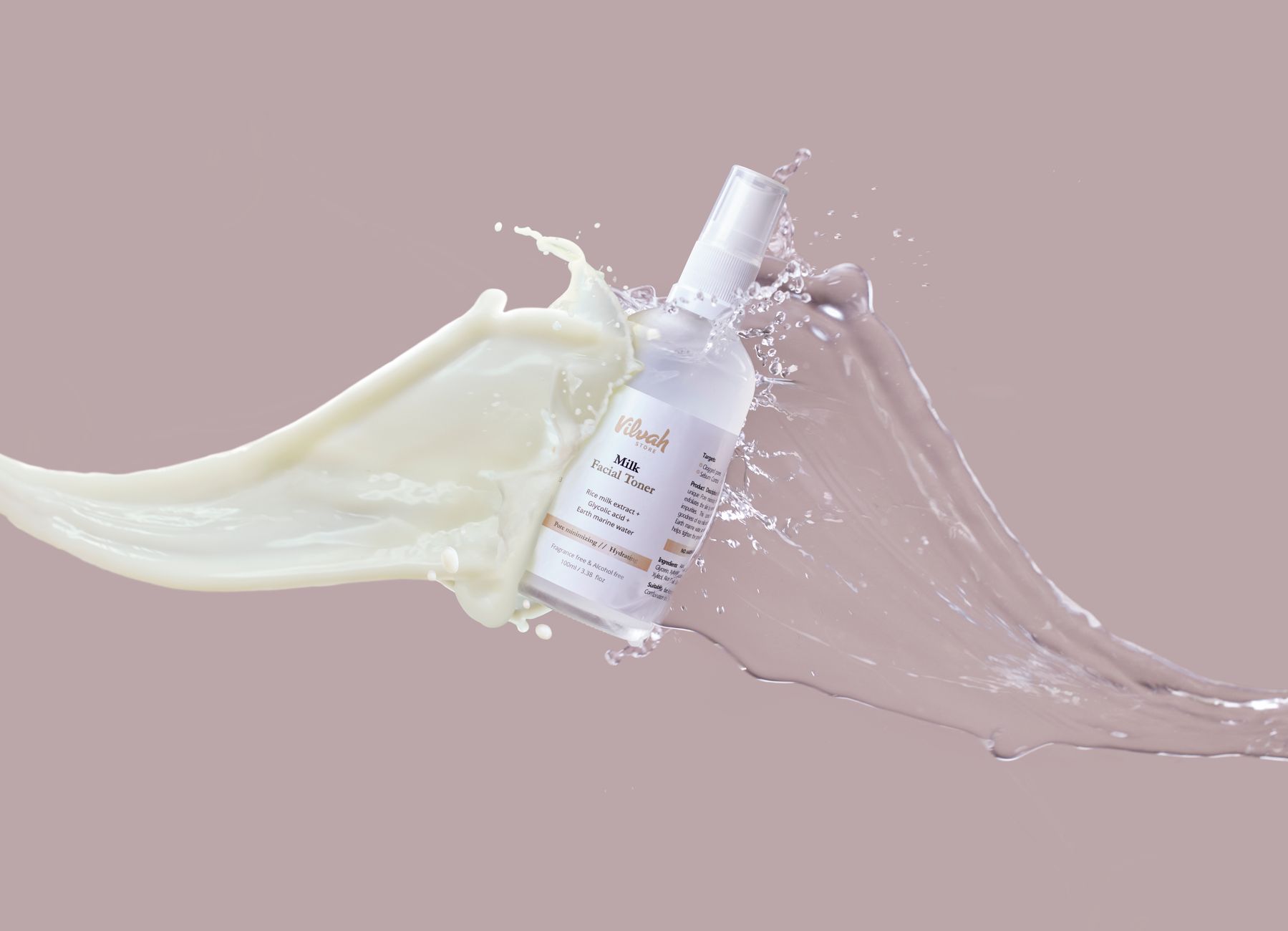
Readers with regular routines often ask if they need to “maintain” exfoliation at a very minimal level, or if dropping it entirely invites a new wave of clogged pores or texture. Here’s a tradeoff I see: sometimes pausing exfoliants means a week or two of feeling a bit uneven, but resuming too soon can mean repeating the whole recovery cycle if stinging or burning returns. A full stop on acids, rather than spacing them out, is frequently the safer path (it’s what I would do for myself until barrier comfort returns). That means letting go of fears about missing a “skin-smoothing window” and focusing instead on repair—heavy moisturizers, barrier serums, and sunscreen. If the suspense gets uncomfortable, ok, try a gentle reintroduction—no sooner than when flaking, burning, and tightness have resolved for several days.
There’s no magic formula for when this is safe. Some resilient types tolerate a weekly swipe of a mild exfoliant during recovery; most sensitive, barrier-stressed skin just resents it. If in doubt, skip.
Spot Damage: Windburn, Sunburn, or the Aggressive Cleanser Mistake
Barrier stress isn’t always all over your face. That one patch on your chin after a cold walk or stripy sunburn on your cheek can provoke the urge to micro-manage with spot exfoliation. Here’s where my editorial instinct is to say: avoid targeted exfoliation on spots of visible damage. If an area is red, warm, or painful, leave it out of any acid, scrub, or washcloth routine—even if the rest of your face is behaving. Texture often sorts itself out once the skin below calms down, and poking at it usually just extends the problem.
If you need a rule for uneven situations like this, I’d prioritize deep hydration and repairing routines over addressing texture. And never exfoliate skin that’s open, bleeding, or visibly infected.
Is Exfoliation Even a Priority Right Now?
This topic actually drops lower on the priority list in more cases than you might expect. If your skin is calm, not obviously irritated, and you aren’t dealing with active damage, then “maintenance” exfoliation can be dialed way down—or skipped for a spell—without dramatic consequences. It’s especially not urgent if:
- Your skin is already comfortably smooth and hydrated most days
- You’re not on any actives or exfoliants currently
- Your basic moisture, sunscreen, and gentle cleansing are on autopilot and working well
It’s easy to fall into the cycle of exfoliating out of habit or FOMO, rather than actual need. There’s rarely a major penalty for taking a break, especially if your barrier is still mending. Don’t underestimate how much small pauses can help.
Editorial Caveats and the Limits of Skincare Rules
No hard-and-fast advice really fits everyone here. “Gentle” isn’t the same for every face—one person’s mild acid is another’s morning-after redness. Sensations can be misleading too; that itchy flake might actually be a healing edge, not a dead cell with nowhere to go. Sometimes, ignoring the urge to “fix” is safer, even if it means rough patches linger longer than you’d like.
I’ll admit, the temptation to recommend “just one gentle exfoliation” is high—especially if you’ve got a favorite product waiting on the shelf. But recovery speed is unpredictable, and even a single use on a fragile barrier can set improvements back a week. When everything else about your routine feels uncertain, keeping exfoliation paused (maybe even longer than you think you “need” to) is usually the more comfortable route, at least in the sensitive-skin playbook.
One abrupt bit: If your skin is raw, cracked, or open, the question of exfoliation is out. Don’t do it, no exceptions.
When in doubt, slow down, simplify, hydrate, and wait for real comfort to return. If you’re looking for what matters most right now, focus on calming and repairing routines, taking breaks from actives, and learning to spot over-exfoliation signs. Skipping the exfoliant can actually be the most active step for healing.
Related reading
Sources
Disclaimer
This article is for educational purposes only and is not medical advice. If you have severe irritation, eczema, rosacea, acne, allergies, or a persistent skin condition, consult a dermatologist before changing your skincare routine.