
If you have sensitive skin—patches of redness, stinging, or tightness that seem to come out of nowhere—your search for relief may dump you into a tangle of “skin barrier” versus “moisture barrier” talk. These labels get thrown around by both brands and advice columns, pushing you to decode every ingredient list. Maybe you’re just wondering: Does choosing the wrong “barrier” fixer actually make a difference for your face? If you’re comparing two products in the pharmacy aisle, both promising protection, and your cheeks are already prickling, this is the reality check to keep you from spiraling into unnecessary stress.
Quick Answer
Compare Skin Barrier vs Moisture Barrier for sensitive skin, including texture, routine fit, who may skip each option, and label checks.
Product note: Product ingredients, packaging, and pricing change, and sometimes rapidly. Recommendations here aren’t set in stone. Always verify the details on the current product label and adjust for your needs. Sensitivity can change over time, so stop any product that starts to sting or irritate.
Triage: When to Sort Out ‘Skin Barrier’ vs ‘Moisture Barrier’
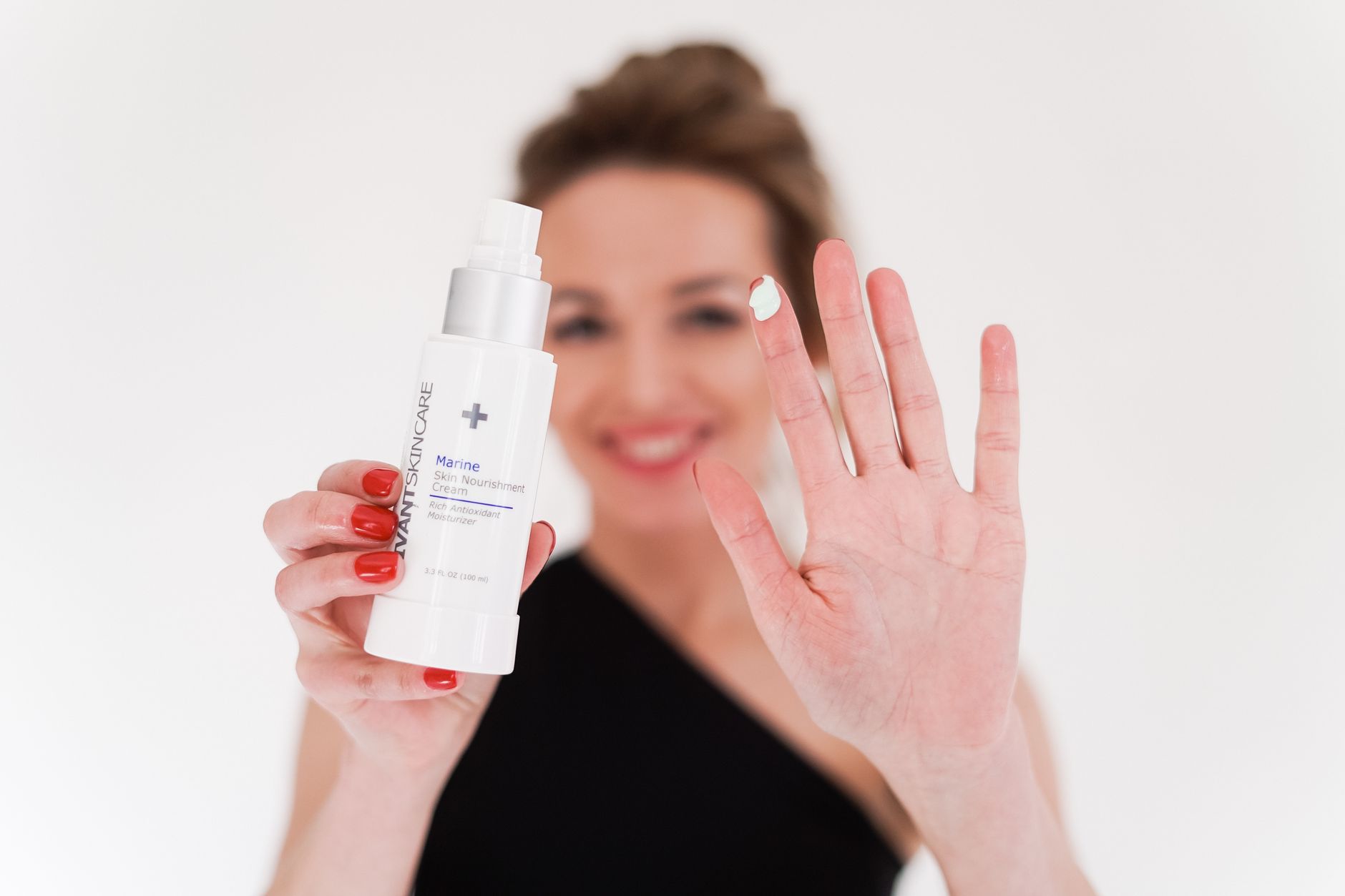
Sometimes it feels like every product is either “barrier-supporting” or “barrier-restoring”—with little agreement on what kind of barrier we’re talking about. But if your skin has just flared up (from harsh weather, a new product, or just plain bad luck), here’s what actually matters: Does your face feel damp-but-uncomfortable (like water evaporates off too fast), or is it just raw, reactive, or both? If you’re caught debating which “barrier” product to reach for, put down the bottle for a second. The immediate priority is avoiding further irritation, not advancing to the next step on a technical flowchart.
The truth? Most products using either term are after the same result: less discomfort, more resilience, some increase in softness. I don’t find it worth fussing over which phrase shows up on the jar when my skin’s already unhappy. In nearly every scenario, the bigger issue is whether you’re still using anything stripping or fragrance-heavy, not whether your serum claims one barrier or both. If you need to pause all actives or exfoliating steps for a few days, do it. The skin’s feedback, not the label jargon, is the most reliable guide right now.
Criteria for Choosing: When Labels Matter and When They Don’t

The main times I’d bother checking which “barrier” is being discussed? After heavy-duty exfoliating, retinoid side effects, or if your skin is chronically dehydrated in dry weather. In these cases, look at what your current moisturizer actually does: Is it a lightweight gel that vanishes in a second or a cream that leaves some comfortable heft for hours? You want a product that feels soothing immediately but actually makes a difference in your skin’s surface within a week or two. I’d skip shopping for a “moisture barrier” serum if it’s watery, scented, and lacks lipids or ceramides—the label claim means less than the ingredient list here. And if you’re in recovery mode, pick the richer, simple option—even if it just says “hydrating” on the front.
When in doubt, check for these minimums before you buy:
- Avoid anything with a heavy scent or essential oils during a flare-up
- Look for moisturizers with ceramides, fatty alcohols, or at least some occlusives
- Don’t expect a thin “barrier” gel to rescue dry, chapped skin in the depths of winter
This isn’t a moment for complicated mixing and matching. Let the skin settle, then experiment cautiously if you want to expand.
Who Should Skip ‘Barrier’ Products for Now?
Some days, the whole “barrier” conversation fades into the background—especially if your skin’s stable, neither dry nor overreactive. There’s no need to crowd your counter with barrier-claiming creams if your basic moisturizer works, you’re not using harsh exfoliants, and seasonal shifts aren’t making your skin freak out. If you’re not shopping for actives or battling a current irritation, move this jargon off your list.
I’d skip any overhaul motivated by marketing trends or the latest TikTok tip if you aren’t having actual symptoms. In fact, for anyone whose skin feels okay with a gentle cleanser and simple hydrating moisturizer, focus on sticking to what already helps. No reward for obsessively chasing each nuance when your skin prefers consistency. The only real exception: if you decide to add a potent new ingredient—like a prescription retinoid or strong acid—think about a thicker or simpler moisturizer to keep your skin quiet during the adjustment period.
Ingredient Red Flags: Not Everything ‘Barrier’ Is Created Equal
Here’s where things get murky. Many “barrier” products are long on promises but short on the ingredients that make a difference. If the ingredient list doesn’t include any combination of lipids, fatty acids, cholesterol, or actual occlusives, question the claim. Some gels just include a humectant or two and a nice fragrance—nothing wrong, but not what truly helps when your face is chapped, burning, or raw. I hesitate to recommend anything labeled for “moisture barrier” support that skips the substantial stuff.
On the other hand, if your skin is comfortable and you use a basic moisturizer with fatty alcohols or ceramides already, you’re probably doing enough. Ingredient lists get more important only once symptoms—dryness, stinging, flaky patches—actually show up. The rest is just advertising.
The Rushed Fix Doesn’t Work: What to Actually Expect
This next bit is abrupt, but I wish someone had told me sooner: real skin recovery is slow, and slathering on more “barrier” creams doesn’t shortcut the process. Even the best formulas take several weeks before you notice stability returning, and you can’t judge results overnight. That endless parade of new “barrier-restoring” launches? Feel free to tune it out—especially if your face is already calm.
Caveat: If your skin is oozing, swollen, or burning nonstop, drop the product shuffle and get a medical opinion. No cream, no matter how impressive its claim, should be your only emergency strategy if things are getting worse.
I usually ignore fresh “barrier” trends for my own routine when my skin is peaceful. Unless something truly changes—unexpected roughness, new irritation—there’s no reason to tinker for the sake of jargon. Your best weather vane is your skin’s actual reaction, not the label’s precision.
Related reading
Sources
Disclaimer
This article is for educational purposes only and is not medical advice. If you have severe irritation, eczema, rosacea, acne, allergies, or a persistent skin condition, consult a dermatologist before changing your skincare routine.