
You’re standing at the bathroom mirror, and your skin is giving you a new problem—stinging, redness, irritation, even from the same old moisturizer. Maybe you tried a new serum a few days ago, or maybe nothing changed at all. Now every step feels risky. You don’t need a textbook answer right now; you need to decide what gets to stay in your routine tonight, and what waits on the shelf. The hardest part: not overreacting to your skin’s overreaction.
Quick Answer
Learn why is my skin suddenly sensitive? with sensitive-skin guidance, routine examples, ingredient cautions, and practical next steps.
Do You Need an Emergency Routine Reset or Just a Pause?
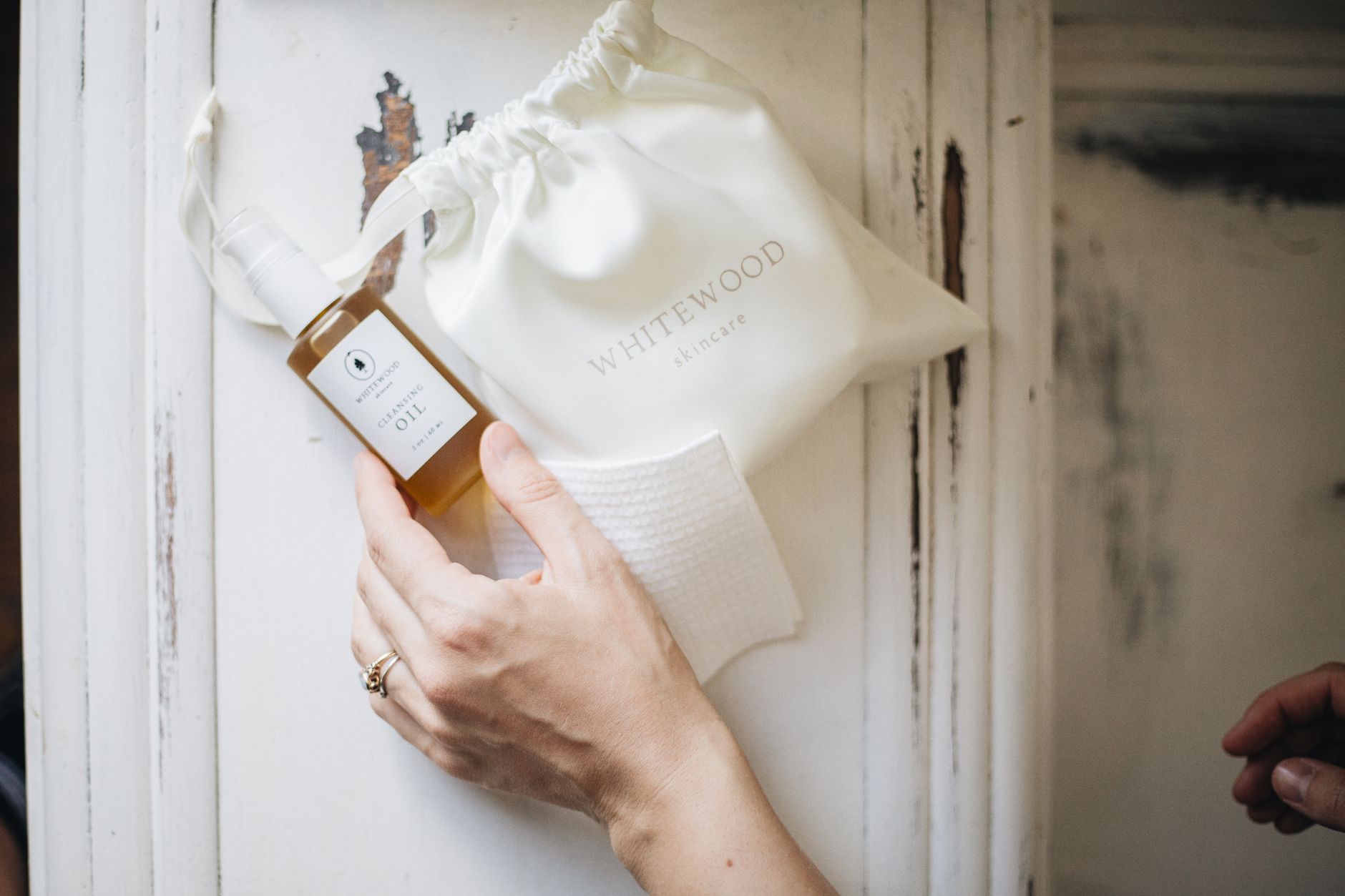
If your face is burning or tingling, it’s tempting to strip your shelf and start from zero. Honestly, in that first wave of panic, clearing out everything feels safer than risking another flare-up. But that move isn’t always the right one. In my experience, jumping to a full skincare fast makes sense if you’re truly feeling allergic, but for most mild-to-moderate reactions, it can just leave you with parched, even more frustrated skin.
Instead, ask: what changed lately? If you just added a new acid, retinoid, or heavy fragrance, put that bottle aside before blaming your tried-and-true basics. Don’t trash the whole routine yet. If your skin is used to a gentle cleanser and a plain moisturizer, those can often keep going while you pause anything stronger. I’d personally keep those “boring” basics unless the reaction is severe.
If you’re post-sickness, juggling stress, or weather changed overnight, sometimes it’s outside factors—not a product swap—pushing your skin into drama. Pausing just the obvious new additions (or, rarely, everything for a single day) usually wins out over a panic-dump of every bottle you own.
I wouldn’t layer on barrier repair masks and oils right away either. Sometimes a thick layer of “recovery” products just slows things down further or causes more breakouts. It’s easy to overcorrect.
What If the Trusted Product Suddenly Stings?
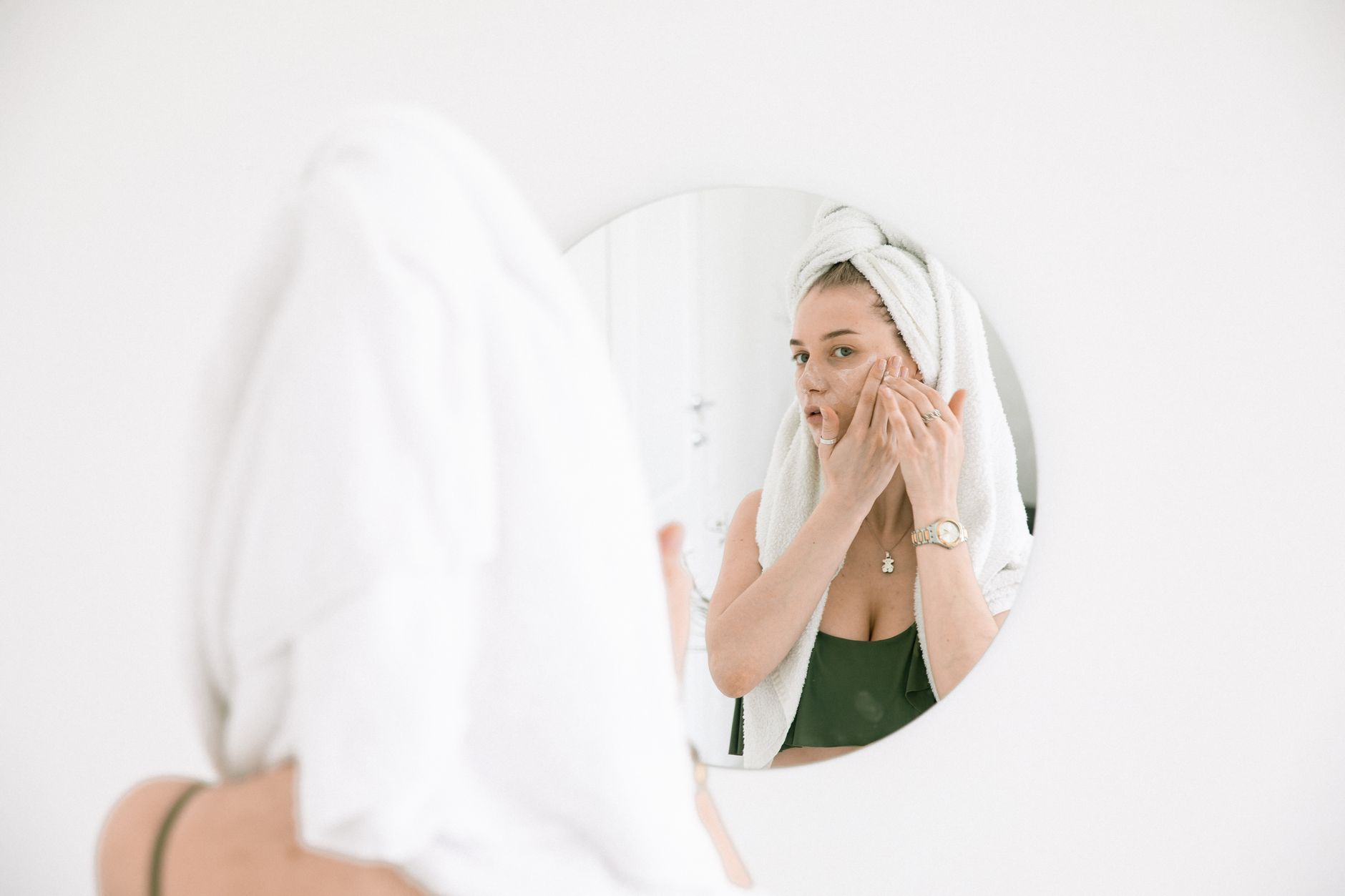
This is usually the part that throws people: your faithful cream or cleanser sets your cheeks on fire one random night. It’s natural to suspect that batch has changed, but more often, your skin just had a bad day—travel, stress, too much sun, or even a cold wind could be at fault. Sometimes, the culprit is as basic as washing your face too soon after a workout, when your barrier is extra vulnerable.
If this happens once and recovers quickly, I wouldn’t overhaul your shelf just yet. But if you’re looking at swelling, hives, or oozing, it’s no longer a cosmetic question—time to get proper medical advice and skip the search for a fix-all serum. A sharp, sudden change with pain or major swelling is out of DIY territory, full stop.
Here’s an interruption to the textbook answer: even ultra-bland moisturizers can sting if your skin’s barrier is scraped up. You won’t always get a clear reason for that burning sensation.
Everyday Contexts Where Skin Decides to Panic
Routine triggers sneak up: an extra run of handwashing at work, sanitizer on already-dry skin, or even layering on too many “recovery” products you saw recommended online. I’ve seen more irritation from well-meaning attempts at barrier repair than from most regular moisturizers. Doomscrolling for “best calming routine” ideas and then adding a balm, an oil, and a mask on night one? Skin sometimes rebels, not recovers.
Don’t ignore external stress: pollen surges, heaters blasting, sudden switches from humid to dry air, or just too many products in too little time—all common triggers. If you’re suddenly sensitive everywhere, try cutting back to only the least irritating products you’ve already used safely for months. But don’t make it a sterile routine—you still need some gentle cleansing and basic moisture. This is a point where doing less, not nothing, can make the biggest difference. If you’re patch-testing reintroductions, keep it low-key; don’t make that a new obsession, just a quiet check-in.
Can’t explain the timing? Welcome to everyday skin care. Not every reaction comes with clues.
When Is Sudden Sensitivity Not Worth Stressing Over?
Some irritation is just not a big deal in the long run. If the whole thing is a brief flare after scrubbing too hard, walking in icy wind, or doing the dishes without gloves, you probably don’t need to dig deep for a fix. If the redness fades in a day or two and no real pain is sticking around, skip the guilt trip and leave your routine alone. This is where I would step back, close the bathroom cabinet, and move on. Not every red patch needs your full attention.
If your skin resets in forty-eight hours, don’t let it hijack your routine—or your mood. Sometimes, less action is smarter. If symptoms are mild and disappear overnight, you can honestly ignore it. Prioritize something else.
Looking for a Single Reason? You May Not Find One
This is a bit blunt, but necessary: most of the time, you won’t find a perfect explanation for why your skin acted up. Stress, sleep changes, new weather, hormones—all can tip the balance. Chasing a neat answer often leads to more confusion and extra products. “Stripping back” the routine can help, but it’s not a rulebook. For some, doing less speeds recovery; for others, it just leaves skin crankier.
If you’re feeling lost, stick to what feels safe: drop actives, keep the simplest hydration, and give it a few days. Don’t let the hunt for a solution turn into more anxiety. And when the symptoms don’t follow any rules, that’s normal. Skin doesn’t organize itself by anyone’s chart.
Some days, the only practical advice is to wait and see. Even if it doesn’t read smoothly, I’ll say it: itchy skin one night is rarely a signal of urgent danger. But if things get sharply worse—blisters, spreading rash, high discomfort—stop experimenting and get professional help.
Related reading
Sources
Disclaimer
This article is for educational purposes only and is not medical advice. If you have severe irritation, eczema, rosacea, acne, allergies, or a persistent skin condition, consult a dermatologist before changing your skincare routine.