
Your skin feels raw, maybe stings when you put anything on, and products that used to help now seem to make it worse. At this point, the decision is not about the next exciting serum—it’s about what absolutely needs to disappear from your routine, either for a while or until things truly calm down. This isn’t about finding a “lighter routine” or switching to milder things. Sometimes, routines just need to be dismantled—temporarily, at least. I’ll walk through where I draw the line, where I’d personally cut without guilt, and where it’s better to suspect even your so-called safe steps. Not everything needs to go every time—there’s room for some hesitation and a reality check.
Quick Answer
Learn what to stop using when your skin barrier is damaged with sensitive-skin guidance, routine examples, ingredient cautions, and practical next steps.
Actives and Layering: The First to Pause Without Debate
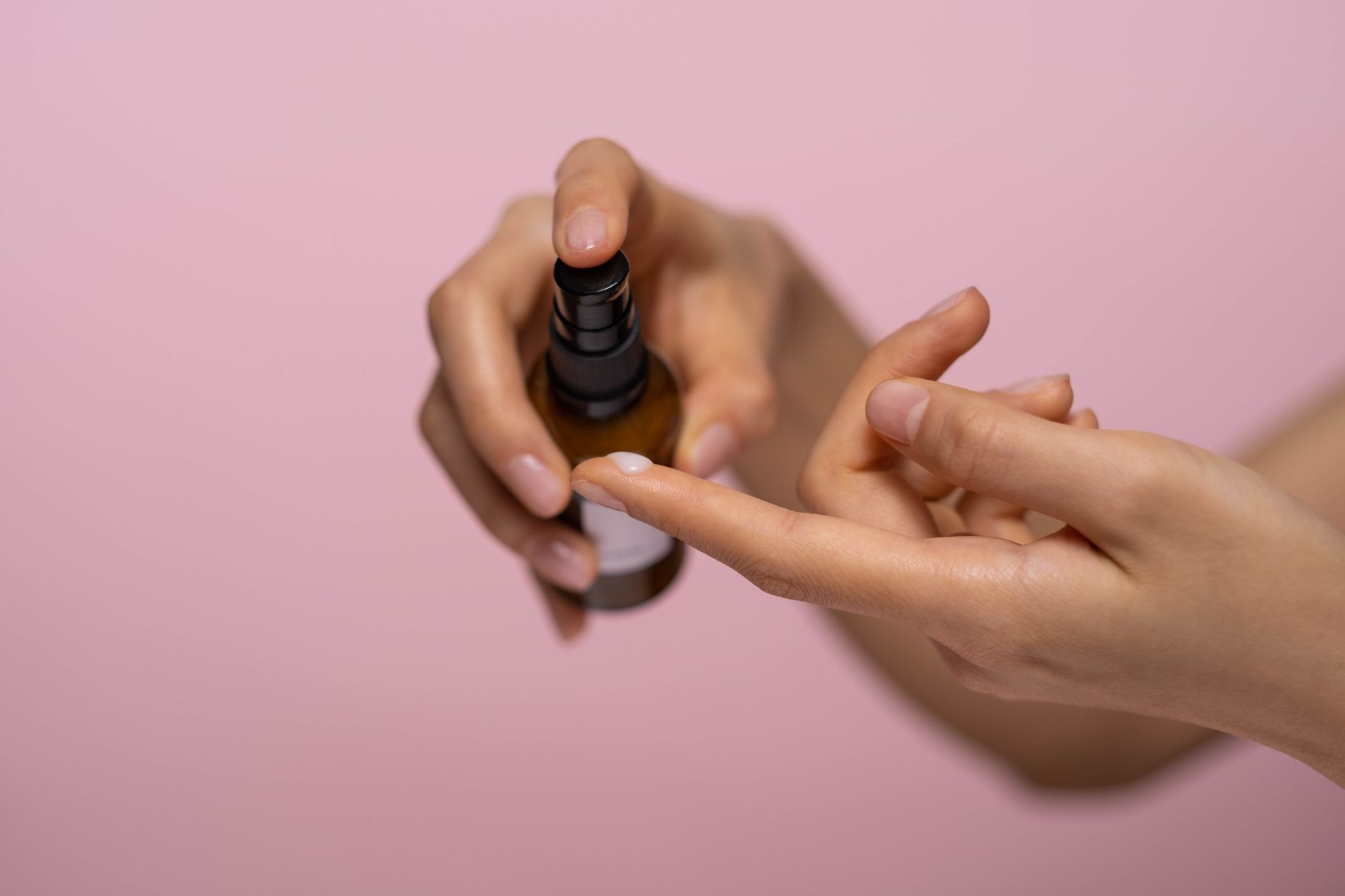
If your skin feels inflamed or is visibly peeling, high-potency serums and actives are usually the first category I would pull. Not just acids or retinoids—anything aiming to smooth, brighten, resurface, or boost with words like “renewal” or “glow.” Even “gentle” vitamin C or niacinamide serums in big doses can be surprisingly harsh in this state. My general criteria: if there’s a tingle, flush, or even a suspicion that skin is reacting, I pull it out of the routine. More layers almost always mean more risk, especially with barrier trouble. Honestly, I rarely regret pausing these steps for a week or two.
This can knock out more products than you expect. Sometimes, I find it’s not just the obvious actives—the layering of two or three “mild” serums stacks up. If skin is unpredictable, I’d even question that hydrating serum you kept around “just in case.” It’s not about being cautious forever, but your skin isn’t keeping a tally of loyalty; it just reacts to what’s on it that day. If a product stings, or if you’re seeing new redness or heat, that’s my personal cutoff.
Cleansers and Masks—Neither Are Sacred

Gentle cleansers sound innocent, but even they can leave damaged skin feeling tight or even more irritated. When my skin is truly angry, I don’t force every ounce of dirt off twice a day. If cleanser causes even mild stinging, I either dilute it, switch to splash-off water in the morning, or skip the step entirely for a day or two. The threat of clogged pores is less urgent than the clear feeling of burning or dryness.
Masks—this one’s easy. Clay, charcoal, exfoliating, or anything “deep cleaning” gets an immediate skip. There’s no need to finish a jar or worry about “getting your money’s worth” if it’s setting recovery back. Even calming masks can sometimes feel like too much. Pause and verify how your skin feels the next day rather than powering through discomfort.
Blunt correction here: you won’t undo years of skincare progress by giving up cleansers and masks for a handful of mornings. It sounds abrupt, but “missing” these steps for a short phase is safer than hoping a new cleanser or mask will somehow speed healing.
What to Do About Sunscreen and Makeup (When Skipping Feels Impossible)
For many, dropping makeup is practical—skip foundation, avoid setting powders, and see if your skin tolerates spot concealing or just nothing at all. If I had to be at work or on camera, I might still pull back to a single layer of gentle, creamy concealer instead of my regular foundation.
Sunscreen is trickier. Sometimes you can’t avoid it—especially after peels, procedures, or if you’re spending any time outside. Criteria here: switch to the most minimal, fragrance-free mineral formula available. If every sunscreen stings, cover up with hats or clothing, take shade breaks, or move some outdoor plans if possible. But medically needed SPF should not be abandoned entirely—just use the least irritating format you can find. I wouldn’t chase perfection here; “good enough” is the safer bar for a day or two.
Is It Time to Scrap Everything? (And Why Sometimes the Answer Is Yes)
On those worst days, even your “safest” moisturizer leaves you pink or burning. My approach: drop all steps except a plain barrier ointment or a very predictable bland cream. If that fails too, I take a complete break—just tepid water, or nothing. There’s no prize for loyalty to the routine itself. For the record, this isn’t the plan long-term. One or two days of minimalism is reasonable when everything else burns or stings, as long as you check back in after. Don’t assume this means you’re “allergic” to every product you own either. Sometimes your skin can only re-tolerate things in phases, not all at once.
- Remove: All actives, acids, retinoids, exfoliants, and anything with a tingle.
- Pause: Cleansers and hydrating serums if even they noticebly irritate.
- Reduce: Use only the lightest, least irritating sunscreen and minimal spot makeup, but skip both briefly—if and only if safe for you—when skin actually hurts.
Editorially, I’d rather see routines get too simple for a few days than risk weeks of prolonged damage from pushing through discomfort. Giving up every product you love temporarily isn’t failure; it’s a reset.
When You Don’t Need Drastic Changes
If your skin just looks a touch pink, feels a bit dry, or gets a little irritated from wind or a single night’s mild reaction, this isn’t a barrier emergency. Honestly, some redness, tightness, or dry patches don’t justify tossing actives or shelving favorite serums. That can be overkill. Most everyday dryness or weather-induced irritation sorts itself out with a moisturizer boost or skipping just one active, not gutting your full routine. These guidelines are for real barrier stress—stinging that lingers, burning, visible flakes. Minor blips don’t need alarm.
I’d skip drastic measures for fleeting issues. Don’t overhaul your shelf unless your own skin screams for it. Reader-first: don’t confuse everyday bumps with true trouble.
One Last Caveat (Because Even “Soothing” Products Can Misbehave)
Every brand claims a “gentle” option, but sensitive-skin formulas can still sting if your barrier is truly struggling. I wouldn’t toss a moisturizer forever just because it burned today—it might be fine next week as your skin settles. Irritation now doesn’t mean you need to start from scratch with your product lineup. The caveat: don’t assume any product’s calm reputation protects you in every state. Sometimes, even the usual safe bets need a pause.
If you’re torn, less is almost always the safer side. Don’t chase a perfect minimal routine or stick with nothing out of fear. Move slowly, add things back one at a time, and don’t judge your skin by last week’s reactions. No single fix is permanent, and no step is too sacred to pause if your skin says stop.
Related reading
Sources
Disclaimer
This article is for educational purposes only and is not medical advice. If you have severe irritation, eczema, rosacea, acne, allergies, or a persistent skin condition, consult a dermatologist before changing your skincare routine.