
Maybe you’re standing at your bathroom sink, feeling a little trapped between the uncomfortable flakes that keep showing up and the knowledge that most exfoliants haven’t ended well for your skin. PHAs—marketed everywhere as the “gentle alternative”—are hard to ignore. But deciding if they earn a spot in your routine is trickier than most product pages admit. Should you try to nudge your texture and rough patches with one of these products, or are you just inviting another round of irritation?
Quick Answer
Learn pha exfoliants for sensitive skin with sensitive-skin guidance, routine examples, ingredient cautions, and practical next steps.
Before Considering a PHA: Ask If Exfoliation Belongs Here
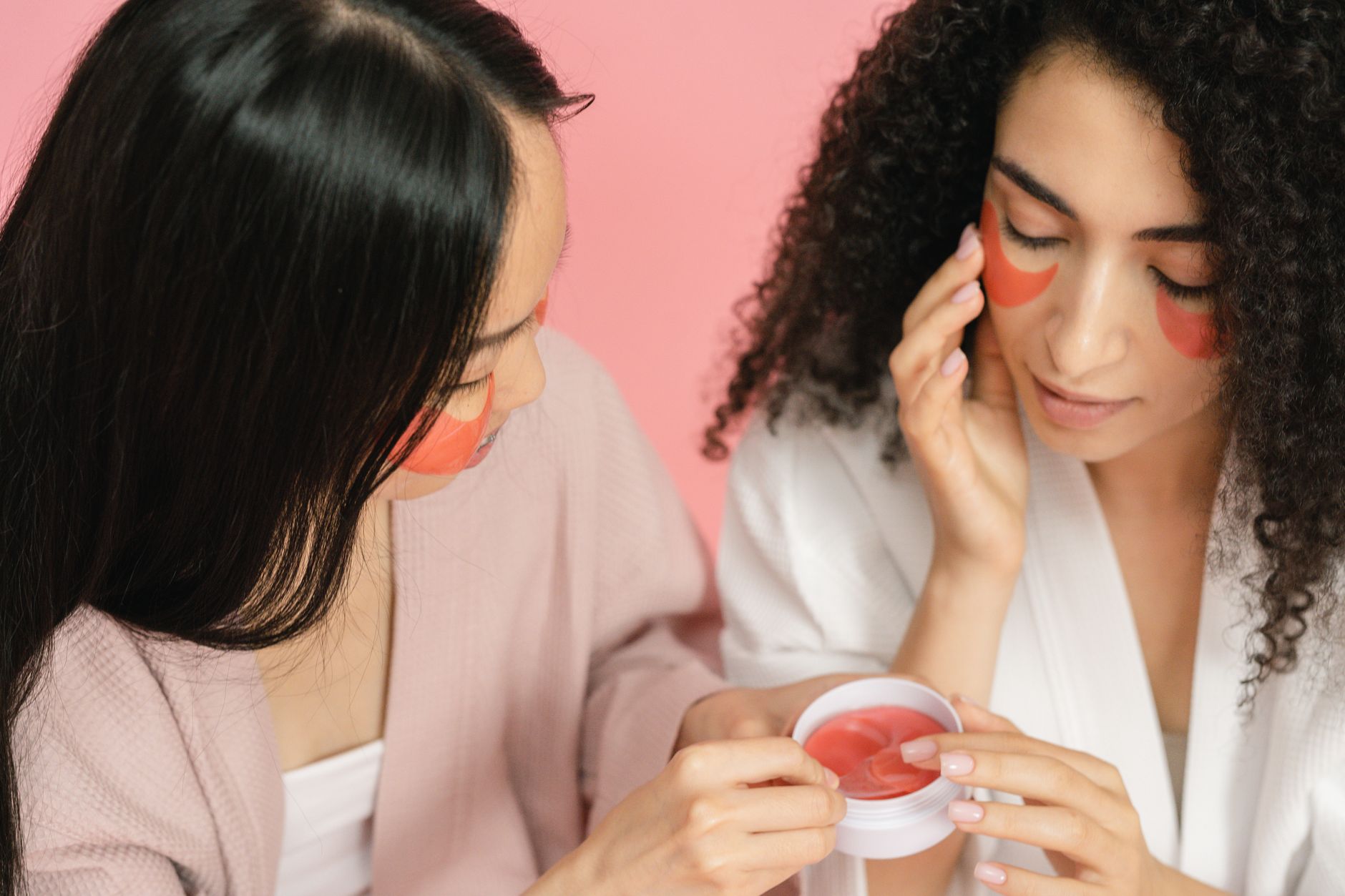
If you already feel stinging, redness, or dryness as a daily routine guest, even a “gentle” PHA might not be the missing piece. Those flakes you see in the mirror, especially around winter, are likely from a battered skin barrier—not dead skin piling up. I usually tell readers who haven’t pared their routine down to the basics yet—creamy cleanser, no lather, no fragrance, solid moisturizer—there’s no real case to introduce a PHA. Sometimes those rough spots are solved by better moisture or stripping out lingering irritants, not adding anything new. In a nutshell: if your routine is already down to what works (and it actually feels mostly fine), there’s really no urgency to “upgrade” with a PHA if it’s just curiosity talking.
But everyone gets restless. The temptation to tweak routines runs deep when you have sensitive skin and are still searching for relief. Still—sometimes “wait and see” is the smarter call. If the urge to keep experimenting is strong, that alone can be a cue to pause. At least for another week.
If Other Acids Burned You, Is PHA the Safer Swap?
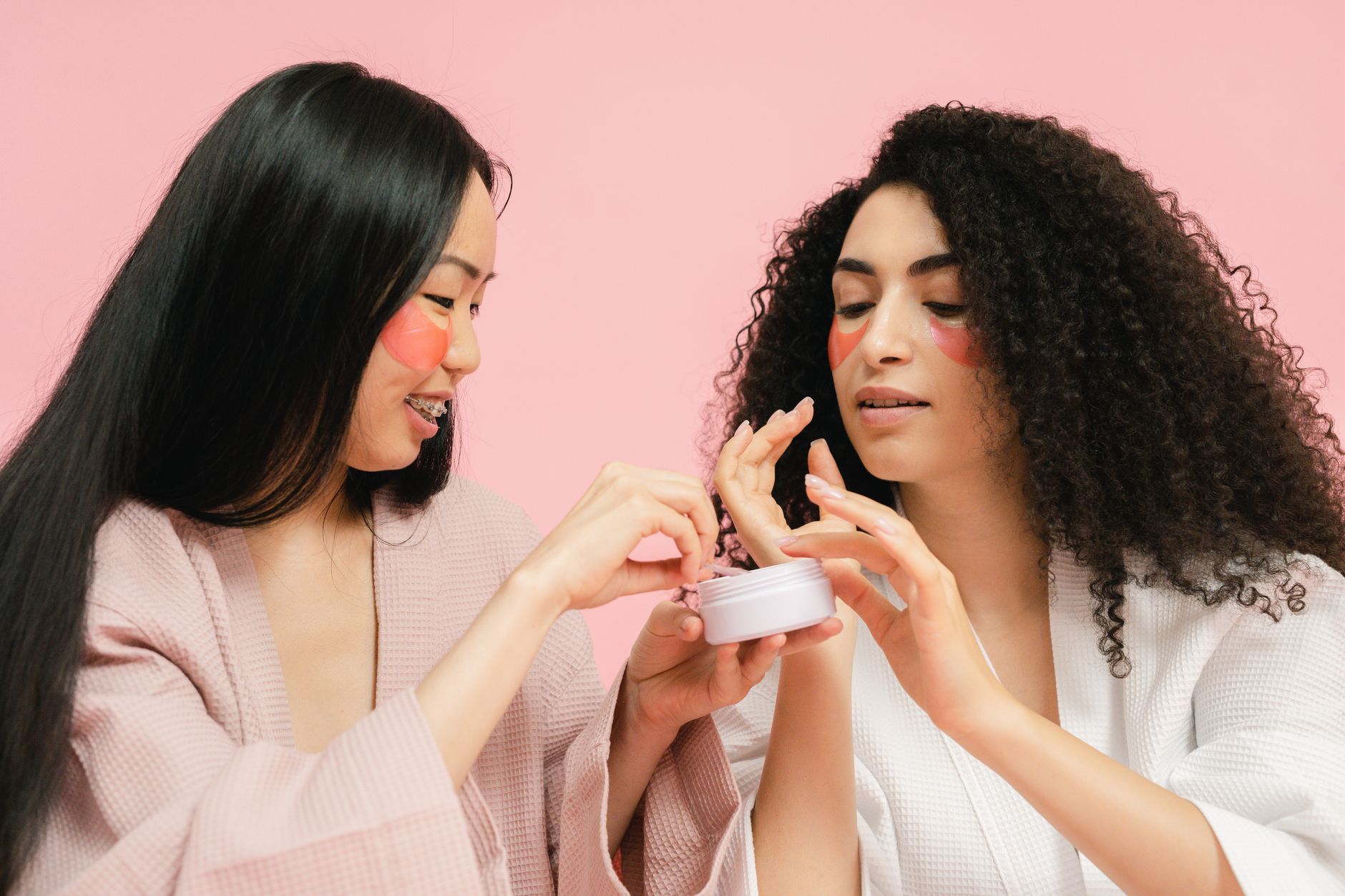
This is a classic question. If glycolic and lactic have left your cheeks glowing (in the bad way), friends, forums, and sometimes even brands will nudge you straight to PHAs. Problem is, this presumes all skin benefits from some kind of exfoliant. If an AHA or BHA just left you stinging, “switching down” to a PHA doesn’t always fix things. At the risk of sounding blunt: your skin may just need a clean break from acids, period.
After a bad spell with stronger acids myself, I don’t sub in a milder one immediately—I take a break. Chasing that same smooth-skin promise with a softer acid is how a lot of sensitive skin routines end up on a carousel of new problems. Sometimes, swap nothing.
That’s one of those moments when the advice “gentler” doesn’t mean “necessary.”
When PHAs Simply Don’t Belong in the Mix
Some days, exfoliation shouldn’t even cross your mind. Here are the criteria for skipping: you’re in the middle of a barrier setback, you’re recovering from an eczema flare, or you’ve used anything prescription for inflammation recently. If your skin feels stretched, sore, or raw to the touch, PHAs are still acids—they’re not magic. Adding one (even at the lowest possible strength) during active “repair mode” is usually a mistake, undoing progress for a very modest payoff.
I’d steer clear in winter if you’re already dry, or anytime you’re using topical steroids. “Gentle” on a label doesn’t erase that each formula varies a lot—pH, concentration, extra irritants buried in the ingredient list. There is no gold standard requirement for labeling something “sensitive-friendly.” That phrase is mostly marketing.
Short version: even cautious PHAs can do more harm than good during a rough patch. Pause, not push.
If You Do Try: Ultra-Soft Approaches Only
The impulse to try still lingers when flakes don’t budge. If you’re set on testing a PHA—maybe just for that stubborn nose or chin—here’s where slow actually means glacial. I’d skip daily use, skip layering with anything strong, and skip complicated cocktails of multiple acids. Try just one of these, and stop immediately at any tingle, not after “an adjustment period”:
- Apply once a week (maybe twice, but no more), only where you need it, and never all over at first.
- Pick a small, less volatile area—side of chin, near the hairline—before hitting problem patches.
- Do not mix with retinoids, prescription creams, or medicated topicals.
Here’s a key editorial hesitation: if you see swelling, sudden itching, or that weird bright pink hint, don’t rationalize waiting for an “adaptation phase.” Just pull back. PHAs are acid exfoliants, not skin vitamins. Less is almost always safer, and ramping up can come next month if things go well.
One caveat worth repeating—patches labeled “for sensitive skin” are not an official guarantee of anything. No government or watchdog certifies this. Reactions still mean stop. The familiar urge to “see if my skin will get used to this” can do real damage with exfoliants.
When Exfoliating Isn’t the Priority at All
Not every flake or texture bug is urgent. There’s a phase—sometimes long—where exfoliation doesn’t even place in your top three routine concerns. If redness, discomfort, or barrier issues are active, PHAs are just noise. A simpler approach often works best: focus on moisture, stripping irritants, and doing nothing exciting for a while. I’d ignore any hype that frames “upgrading” with PHAs as the solution for adjusting to retinoids or persistent flakes. Skin that’s unhappy is almost never fixed by a new acid. When you’re tempted, check if the underlying problem isn’t lack of exfoliation, but too much. Often, it is.
Sometimes you need to stop reading guides and just not add anything new. That’s not a defeat—just logic for tricky skin. It will never sound glamorous, but not acting is underrated in sensitive routines.
Related reading
Sources
Disclaimer
This article is for educational purposes only and is not medical advice. If you have severe irritation, eczema, rosacea, acne, allergies, or a persistent skin condition, consult a dermatologist before changing your skincare routine.