
Your skin stings after a gentle cleanse. Moisturizer leaves a prickle, or maybe every product in your K-beauty lineup, no matter how mild it seemed last month, now sets off redness or a persistent burn. If you’ve landed here, you’re not after the next buzzy step in a ten-part routine—you’re just trying to stop the cycle and get your face to calm down.
Quick Answer
Choose best k-beauty barrier repair products with sensitive-skin criteria, texture notes, who should skip, and label-check reminders.
Product note: Brand formulas, ingredient lists, and prices change—sometimes fast, sometimes without a label update. Check formulas and packaging each time you buy. Calm Skin Guide sometimes earns commissions, but that does not affect the editorial process. Stop any product that makes your skin worse, no matter how many positive reviews you see.
Choosing (Or Skipping) K-Beauty Barrier Repair: What Matters and When
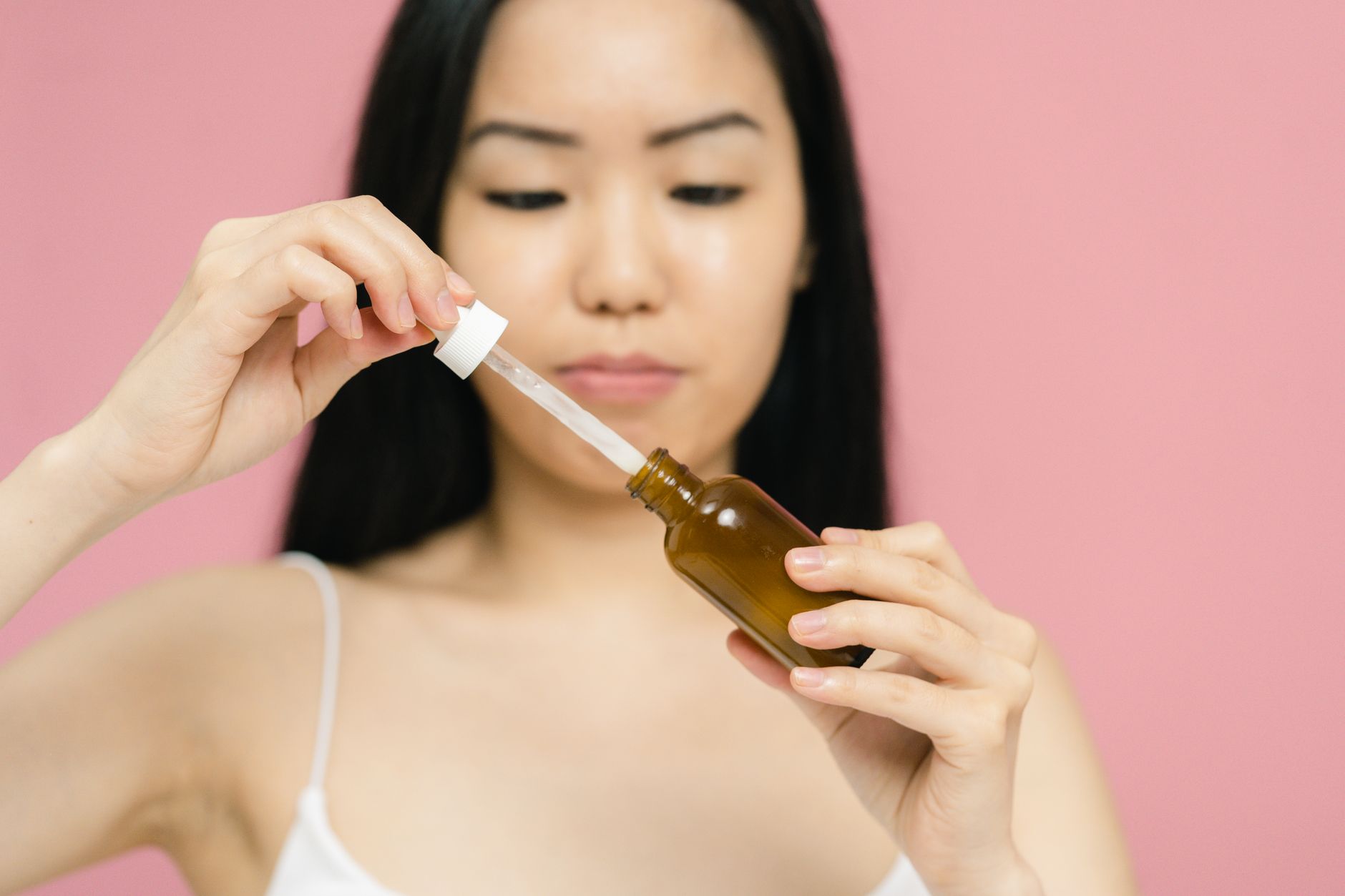
The urge is understandable: you see “barrier repair” everywhere, from watery toners to thick creams. But take a pause before adding anything labeled “barrier rescue” if your face isn’t clearly uncomfortable. Just a little pink, or slightly dry? Extra steps might be an overcorrection—and there’s a risk of more irritation from layering too many “soothing” formulas.
Criteria to focus on: clear, ongoing discomfort (burning, stinging, flaky or tight skin) that doesn’t improve with your regular bland moisturizer and gentle cleanser. And if your skin has an infection, raw open cracks, or a new rash, skip all specialty K-beauty products and check with a dermatologist instead. Even if you’re tempted by calming claims, sometimes the safest action is less, not more. That judgment gets easier after one bad cycle with an ingredient-stuffed “recovery” essence (I would personally hold off on any multi-extract formula if my skin was acting up).
Sorting Out K-Beauty Barrier Repair Formulas: What Trips Up Sensitive Skin
K-beauty barrier repair usually means formulas starring centella asiatica, ceramides, panthenol, or snail mucin. They’re often paired with other fermented or plant-heavy extras. Reality isn’t always as gentle as the label reads. Snail mucin, for example, can sometimes sting instead of soothe, especially if you’re flaring for reasons you don’t fully know. Centella’s calming rep is well-deserved for lots of people, but every skin barrier crisis resets the deck—what worked perfectly last season might now trigger tingling.
Pause and double-check: are the discomfort and redness new, or ongoing? Anything suddenly feeling off? Be careful with all actives—AHAs, retinoids, vitamin C. Personally, I’d skip them entirely for a bit, even the so-called “gentle” ones, and see if basic hydrating steps bring relief. The skin can only reset with space.
I’ll admit, sometimes you have to stop being clever: ditch the serums, gels, and extracts, at least for a week. The drama of chasing the right ingredient cocktail is not worth a lingering rash.
Rich vs. Light: Creams That Help or Hold You Back
The classic move is to reach for the richest, thickest K-beauty cream you own, thinking it’ll solve the flakes. Sometimes it does the opposite. If your skin is hot, irritable, or flushed, heavier creams can trap heat or trigger more clogged pores. On humid or sweaty days, these thick textures can just feel sticky—or worse, suffocating.
Don’t force it. For a mild, protective layer, a bland, lightweight emulsion might serve you better. If you do need extra moisture, it’s often safest to spot-treat only the visibly peeling or raw areas—don’t automatically slather forehead to chin. I would typically try the cream in one small area for a couple of days before committing to a full-face routine again. And on days where things get very dry and cold, sure—go richer, but add a pause between layers to see what your skin really needs.
The “Wholesome” Ingredient Trap: Ferments, Herbs, and Misleading Labels
K-beauty makes “natural” sound like a guarantee for sensitive or compromised skin. Don’t buy in too fast. Long ingredient lists with every fermented filtrate, herbal extract, or “oil complex” can surprise you with reactions, especially if your face already stings. Even formulas labeled “unscented” might carry hidden fragrance or essential oils under another name—another reason to check both the front and back labels each time you shop or restock. (Verify changes: sometimes only the ingredient order or a single new extract is updated between batches.)
I’d hesitate most with the products promising “soothing” or “recovery” while tacking on a dozen floral or citrus botanicals. If you see a mystery blend, don’t let FOMO override caution. That’s exactly when I’d simplify the routine to one or two very basic layers until skin feels stable.
This will feel abrupt: no patch test is 100% safe. Even if you dab a product behind your ear, results on your inflamed face can be unpredictable. If you apply something and it burns, don’t wait—wash it off and stop using it.
When To Cut Back Instead of Doubling Down
“Barrier repair” is not an all-the-time job. If your skin feels a bit more reactive after the wrong cleanser, but isn’t tight, raw, or flaking, this category is probably not for you—at least not now. For anyone who avoids heavy acids or harsh actives, or keeps a steady, fragrance-free regimen, there’s little point in seeking out extra “barrier” products just because it’s trendy.
If you’re in a “should I try this?” mood, step back and reevaluate. More K-beauty steps are not the answer to every twinge. Sometimes the only winning move is to leave things be. When comfort and stability return, reconsider your routine. Staying minimal is not a failure; it’s often a relief.
- Criteria: Persistent stinging, visible flakes, or rawness—consider one simple barrier cream.
- Skip: New redness, but no discomfort, or if your care provider said to avoid cosmetics.
- Verify: Ingredient lists before each purchase, especially after a reformulation notice or unusual reaction.
Don’t be surprised if what works for everyone else skips right past you. That’s fine. The least glamorous option usually helps most.
Related reading
Sources
Disclaimer
This article is for educational purposes only and is not medical advice. If you have severe irritation, eczema, rosacea, acne, allergies, or a persistent skin condition, consult a dermatologist before changing your skincare routine.