
Niacinamide and hyaluronic acid are both common enough that you may already be using them without noticing. That is why this comparison can get silly. People buy a separate serum before checking whether the ingredient is already in their moisturizer.
Quick Answer
Niacinamide vs hyaluronic acid for sensitive skin: compare hydration, barrier support, routine overlap, and when a serum is unnecessary.
Here is the useful version: niacinamide is more of a support ingredient for oiliness, redness-prone skin, tone, and barrier comfort. Hyaluronic acid is more of a water-feel ingredient. Neither one fixes a chaotic routine.
Quick answer
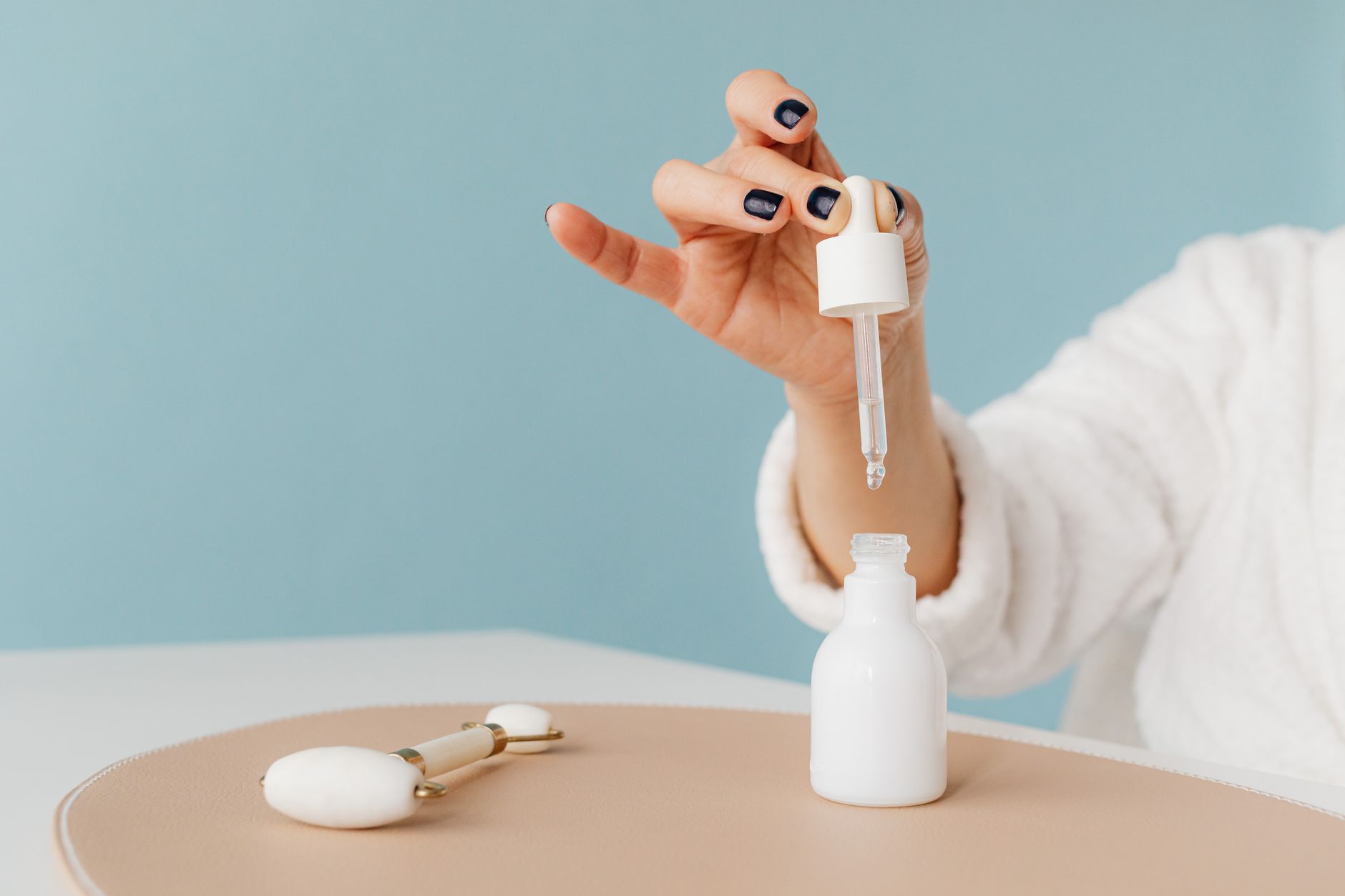
Choose niacinamide first if you want a steadier support step and your skin usually tolerates it. Choose hyaluronic acid first if your routine feels dry or tight but you do not want a heavier cream. Choose neither if your moisturizer already handles the job.
My comparison criteria start with a slightly annoying question: what are you already putting on your face? Then I look at skin feel after cleansing, oiliness, sensitivity history, and texture. The tradeoff is simple: niacinamide can do more jobs but may annoy some reactive skin; hyaluronic acid is narrower but often easier to test.
When niacinamide makes sense
Niacinamide makes the most sense when you can name the job. Oily T-zone. Redness-prone cheeks. A routine that needs barrier support without jumping into stronger actives. It is not exciting, which is partly why it can be useful.
The catch is amount. If niacinamide is already in your moisturizer, sunscreen, and cleanser, a separate serum may be unnecessary. Some people also dislike higher-percent formulas. If a niacinamide product makes your face warm or prickly, do not force it because the ingredient has a nice reputation.
Use our niacinamide serum guide when you actually need a separate product, not just because the shelf looks incomplete.
A realistic niacinamide test is boring: keep everything else the same, use the product for a few days, and watch for warmth, itch, or tiny bumps. Do not test it with a new vitamin C serum and a new sunscreen. If something goes wrong, you will not know which bottle earned the blame.
If niacinamide does work for you, it may not feel dramatic. That is fine. Some ingredients are useful because they make the routine quieter, not because you can see a movie-trailer transformation by Friday.
One tiny example: if your cheeks are calmer but your forehead still shines, I would not panic-buy a second niacinamide serum. I would look at sunscreen finish, cleanser, and moisturizer weight first. The shiny forehead may be a texture problem, not a missing-active problem.
When hyaluronic acid makes sense
Hyaluronic acid is easier to understand once you stop expecting it to be a full moisturizer. It can make skin feel more hydrated, especially under a moisturizer. It may do very little if the cream over it is not sealing enough moisture in.
I would test hyaluronic acid when the skin feels tight but dislikes rich creams. Apply it to slightly damp skin, then moisturize. If it dries sticky or makes tightness worse, the formula or your climate may not be a good fit.
For product options, compare our hyaluronic acid serum guide. Texture matters here more than people admit.
One thing I notice with hyaluronic acid: people use it like a moisturizer and then get disappointed. If the serum gives a nice first feel but the face dries out by lunch, look at the cream over it. The water-binding step may be doing its job; the sealing step may not.
Can you use both?
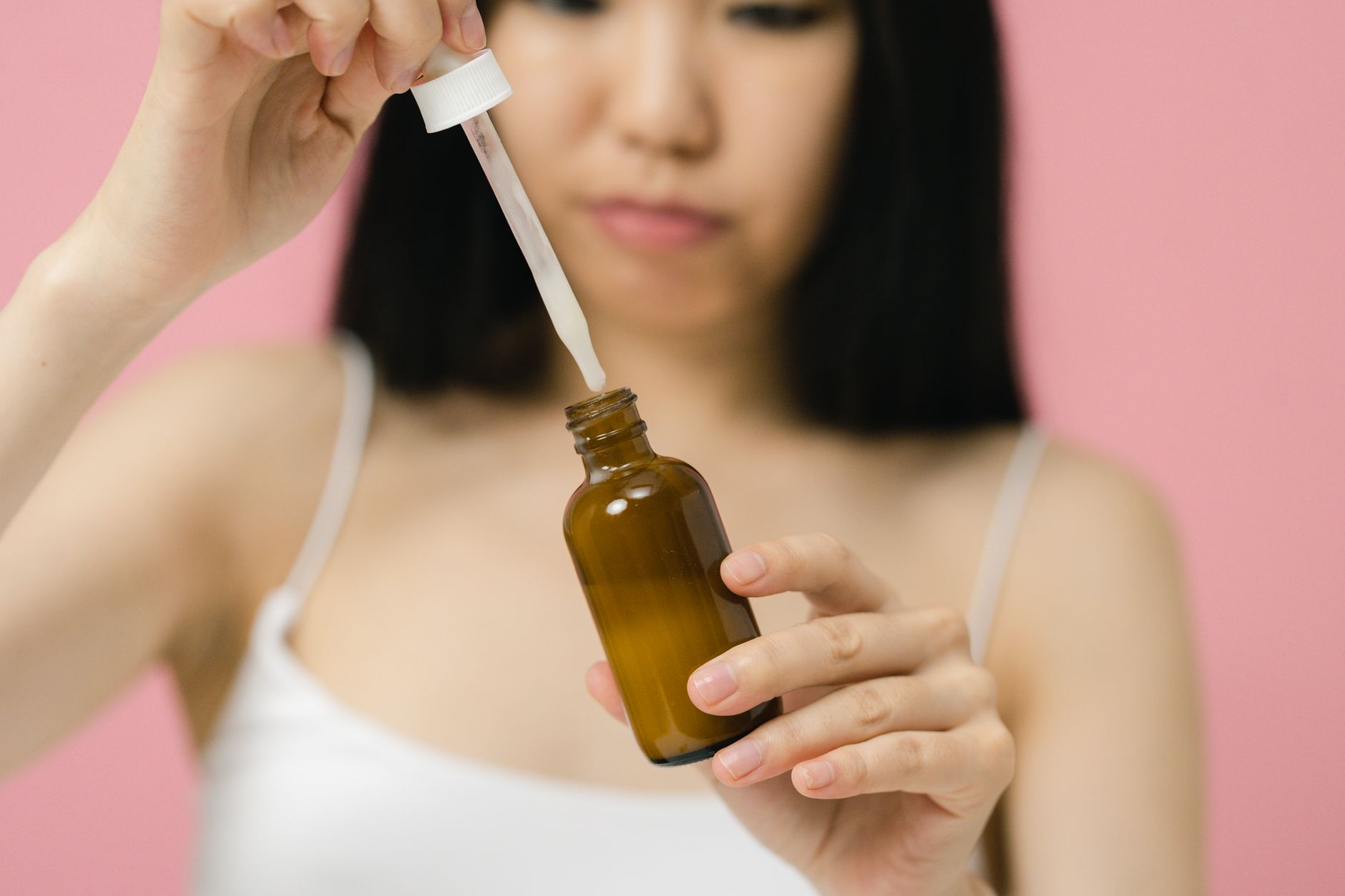
You can use both if the formulas layer well and each has a job. I would not add both in the same week. Test one first. If the routine still needs something, add the other later.
My small warning: do not let hydration serums distract from moisturizer. If your face feels dry two hours later, the problem may not be missing hyaluronic acid. It may be that the moisturizer is not enough, or the cleanser is too stripping.
If you want both ingredients, a moisturizer that already contains niacinamide plus a separate hyaluronic acid serum may be simpler than two dedicated serums. Or a hydrating serum plus a niacinamide-light sunscreen may be enough. The routine does not need matching bottles to be coherent.
This is where I would be almost suspicious of a pretty routine photo. Two glass bottles look more serious than one plain moisturizer, but the plain moisturizer may be doing more useful work. Shelf logic and face logic are not always friends.
Label check
Read the ingredient list for niacinamide, sodium hyaluronate, fragrance, acids, retinoids, and other actives. Check whether the same ingredient already appears in products you use daily. More of a helpful ingredient can still become clutter.
Also check the product’s role. Serum, toner, gel cream, and moisturizer are not interchangeable just because the same ingredient appears. A hyaluronic acid toner may not replace a moisturizer. A niacinamide cream may make a separate serum unnecessary.
Packaging can matter too. A dropper serum may encourage you to use more than needed. A moisturizer with the ingredient already included may be less exciting but easier to use consistently.
Who should skip both for now?
Skip new serums if your skin is currently irritated, burning, or peeling. Skip niacinamide if it has repeatedly made your skin warm or itchy. Skip hyaluronic acid if every HA serum leaves you sticky and tighter. You are allowed to dislike a popular ingredient.
Bottom line
Niacinamide is the better first thought for broader support. Hyaluronic acid is the better first thought for a lightweight hydration test. Sensitive skin does best when each product has one clear reason to exist. If you cannot name the reason, do not add the serum yet.
This is educational, not medical advice. If irritation persists or you have a diagnosed skin condition, get individual guidance before changing active ingredients.
Sources
Disclaimer
This article is for educational purposes only and is not medical advice. If you have severe irritation, eczema, rosacea, acne, allergies, or a persistent skin condition, consult a dermatologist before changing your skincare routine.