
Affiliate disclosure: This page may contain affiliate links. If you buy through them, we may earn a commission at no extra cost to you.
Quick Answer
How to use hyaluronic acid serums without making dry sensitive skin tighter.
Hyaluronic acid sounds like the safest ingredient in skincare until it leaves your face tight and shiny. That does not mean it is bad. It means the way you use it matters.
I would treat a hyaluronic acid serum as a water-management product, not a complete moisturizer. It can help a routine feel more comfortable, but it usually needs a cream or lotion over it. Used alone, especially in dry air, it may disappoint you.
The short version
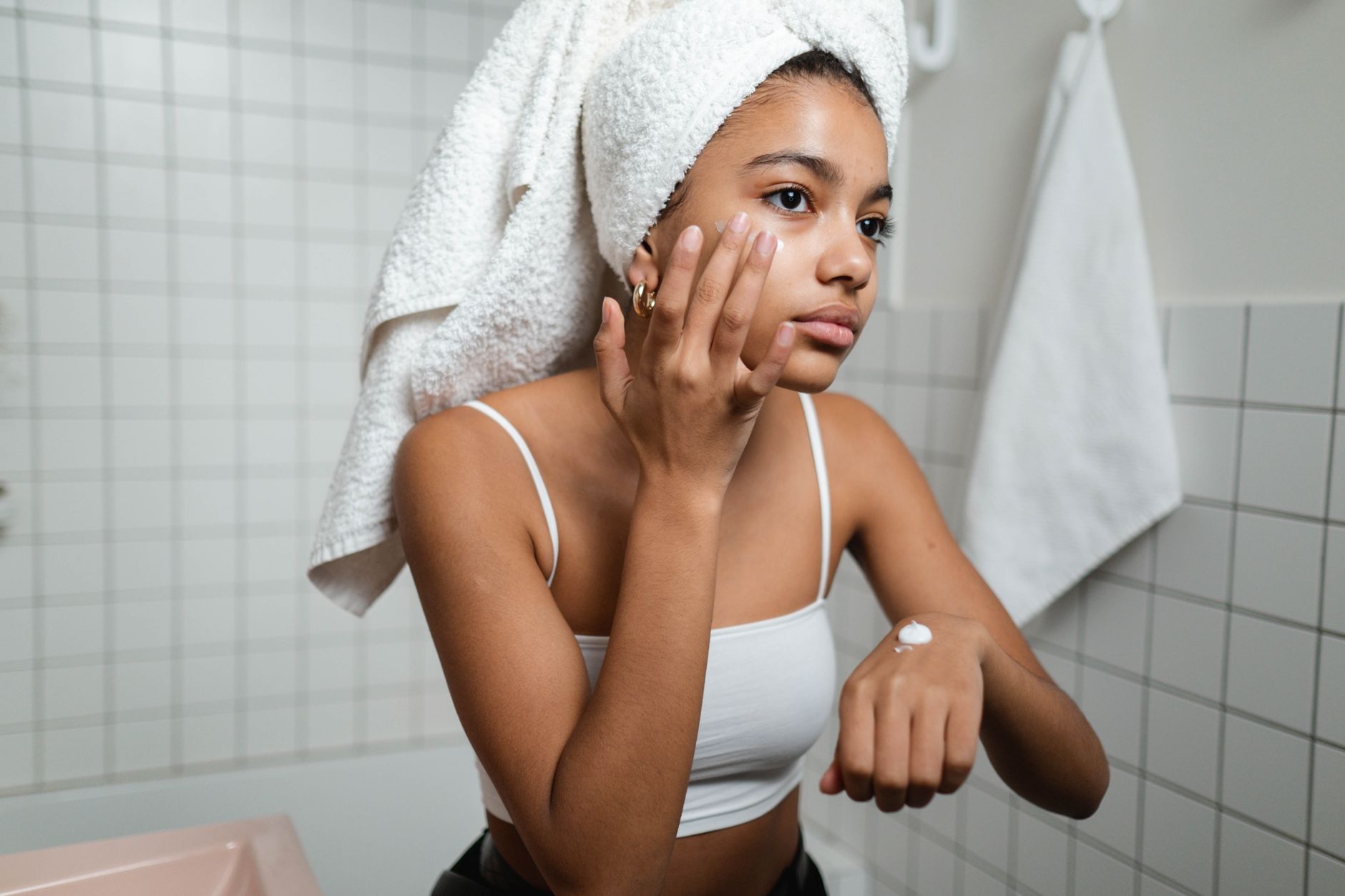
If you want the simplest budget test, The Ordinary Hyaluronic Acid 2% + B5 is the obvious comparison. If your skin likes a softer texture, Vichy Mineral 89 is worth looking at. If your face is reactive and already dry, a moisturizer with hyaluronic acid, such as CeraVe PM or CeraVe Moisturizing Cream, may be easier than a separate serum.
That is the part people skip: you do not always need a hyaluronic acid serum. Sometimes you need a better moisturizer.
What hyaluronic acid actually helps with
Hyaluronic acid is a humectant. In normal-person language, it helps bind water. That can make skin feel plumper or less tight, especially when you layer it under a moisturizer.
It does not replace oil, ceramides, petrolatum, sunscreen, or patience. If your barrier is irritated, a watery serum may feel nice for five minutes and still fail by noon. That is not a scandal; it is the wrong job description.
The budget serum lane
The Ordinary Hyaluronic Acid 2% + B5 is a sensible first test because it is inexpensive and easy to understand. I would use it on damp skin, then seal with moisturizer. I would not use it as the final step and expect miracles.
The texture can feel a little tacky. That bothers some people more than the ingredient itself. If you hate sticky layers, this may sit unused after three nights, which makes it a poor choice no matter how good the price is.
The softer texture route
Vichy Mineral 89 is a more elegant-feeling option for people who want hydration without a busy active-serum mood. I would compare it when the goal is comfort under moisturizer rather than treating spots, acne, or pigment.
It is still a hydrating serum, not a barrier cream. If you apply it and your skin feels tight an hour later, the next move is probably a better moisturizer on top, not three more drops of serum.
When moisturizer makes more sense
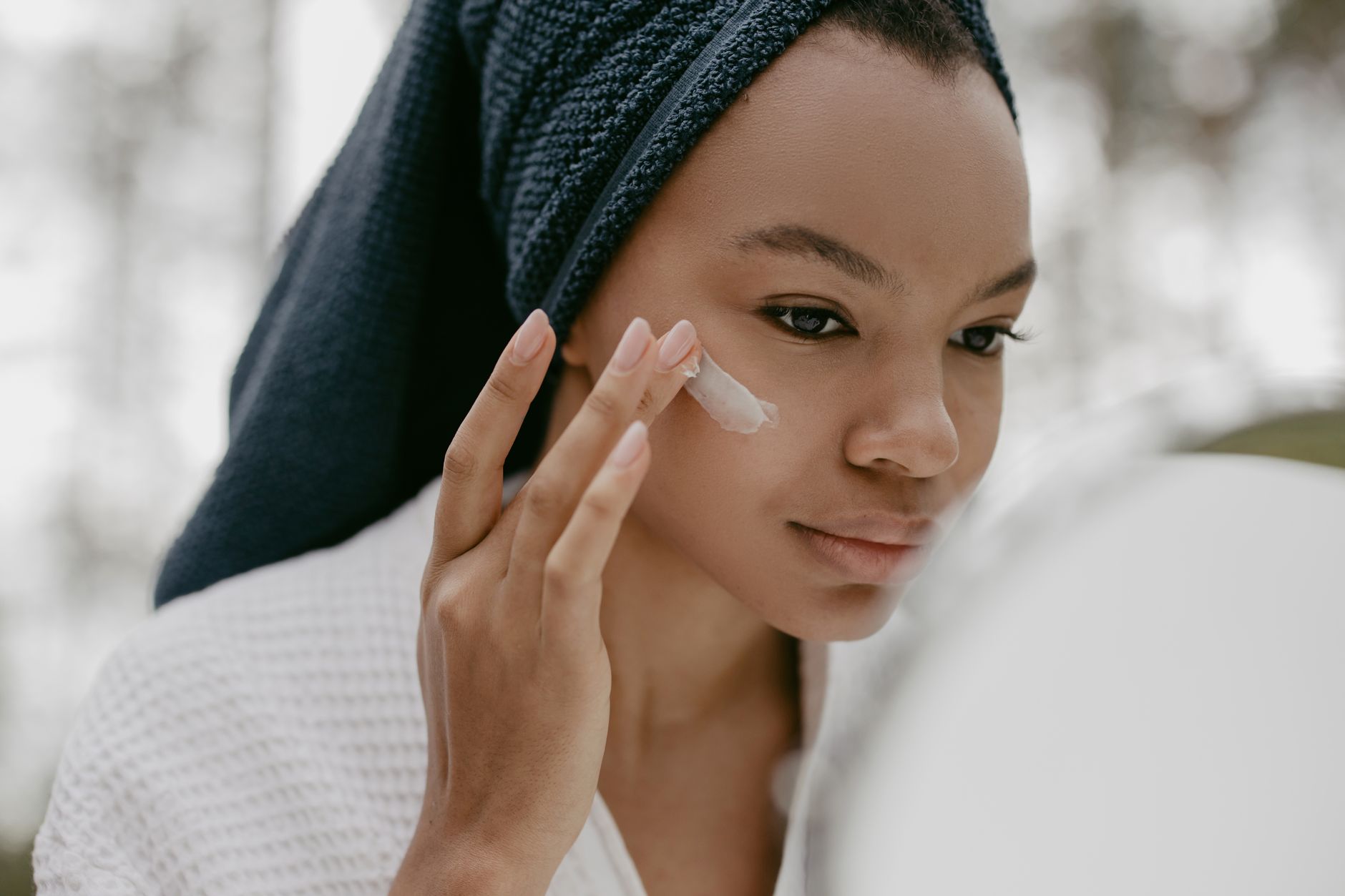
If your routine is already crowded, I would choose a moisturizer that includes humectants instead of adding a separate serum. CeraVe PM and CeraVe Moisturizing Cream are common examples because they combine hydration support with a cream or lotion step.
This route is less exciting but easier to maintain. Sensitive skin often benefits from fewer bottles and clearer cause-and-effect.
Mistakes I would avoid
I would not apply hyaluronic acid serum to bone-dry skin and stop there. I would not layer it under a moisturizer that already pills. I would not keep using it if it makes your face feel tight, shiny, and oddly dry.
I would also avoid judging it during a week when you changed everything else. A hydrating serum cannot fairly prove itself while you are also starting retinoid, exfoliating more, and switching sunscreen.
A simple test
Use it three nights in a row on damp skin, under the same moisturizer. Do one side of the face if you are unsure. The useful question is not “did I glow?” The useful question is “was my skin less tight by morning?”
If the answer is no, you may not need a hyaluronic acid serum. You may need more occlusion, a gentler cleanser, or a cream that actually stays comfortable.
Climate changes the answer
A hyaluronic acid serum can feel different in July than it does in January. Humid weather may make a light hydrating layer feel perfect. Dry indoor heat may make the same layer feel sticky for ten minutes and tight by lunch.
That is why I would not judge this ingredient in isolation. Look at the room, the season, and the moisturizer over it. If your skin improves when you add a richer cream but not when you add more serum, the serum was not the missing piece.
Travel can expose this quickly. A routine that feels balanced at home may fail in a dry hotel room or on a long flight. In that situation, I would pack a reliable moisturizer before packing multiple hydrating serums.
Who should skip a separate serum
Skip the serum if you dislike tacky layers, if your skin is currently burning from everything, or if you are already using a moisturizer that keeps you comfortable all day. Adding hyaluronic acid because the ingredient sounds safe is still adding another variable.
For acne-prone skin, watch the whole formula, not just the hero ingredient. A simple humectant serum may be fine, but the base, film formers, or layering behavior can still affect how your skin feels by the end of the day.
Bottom line
My practical picks are The Ordinary for a cheap test, Vichy for a nicer texture, and a moisturizer route if your skin is sensitive or your routine is already too busy. Hyaluronic acid is helpful when it is sealed in. It is underwhelming when it is asked to do the whole job alone.
Sources
Disclaimer
This article is for educational purposes only and is not medical advice. If you have severe irritation, eczema, rosacea, acne, allergies, or a persistent skin condition, consult a dermatologist before changing your skincare routine.