
Hyaluronic acid is not the exciting part of a routine. It is the water step. Useful, sometimes lovely, sometimes completely unnecessary.
Quick Answer
Hyaluronic acid for sensitive skin: when it helps, when it feels tight, and how to layer it with moisturizer.
The mistake is treating it like a cure for dry sensitive skin. Dry skin often needs oil, cream, or a better barrier routine. Hyaluronic acid can help with hydration, but it does not replace moisturizer. Used alone, it can even leave the face feeling tight and oddly shiny.
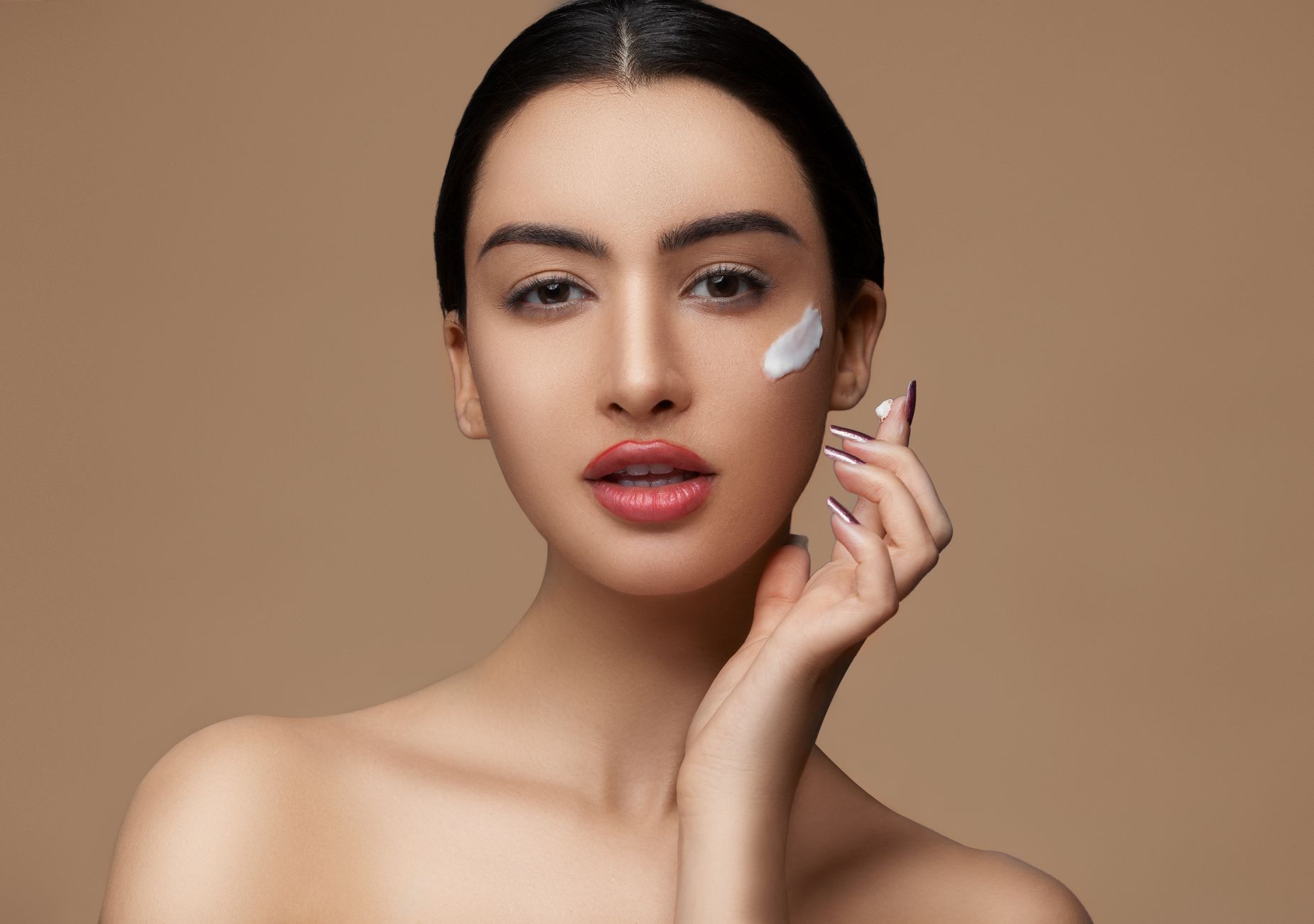
The Damp-Skin Detail
If someone says hyaluronic acid made them feel tighter, I believe them. It happens. A watery serum on dry skin, left without moisturizer, can feel tacky at first and tight later.
Try this instead: apply it to slightly damp skin, then put moisturizer on top before the serum dries into a film. Not dripping wet. Not bone dry. Somewhere in the middle.
If that still feels tight, skip the serum. Your skin may need a richer moisturizer more than another water-binding step.
Do You Even Need A Separate Serum?
Maybe not. Many moisturizers already contain humectants such as glycerin or hyaluronic acid. Some sunscreens do too. Adding a separate serum may make the routine longer without making the skin better.
A separate step makes more sense when your skin feels dehydrated under moisturizer, makeup clings to dry-looking patches, or your moisturizer spreads better with a hydrating layer underneath.

Places The Routine Goes Wrong
- Too many watery layers: toner, serum, essence, gel cream, then SPF. Gentle-looking, but still a lot of contact.
- No moisturizer after: the serum feels nice for five minutes, then tight.
- Bad sunscreen layering: a tacky serum can make sunscreen pill.
- Busy product base: fragrance, acids, brighteners, or plant blends may be the real trigger.
That is why I would judge the whole bottle, not the ingredient name on the front.
What To Buy
For sensitive skin, choose boring first. Fragrance-free if scent bothers you. No exfoliating acid blend hiding in the same serum. No dramatic claims needed.
I would not pay more just because a product lists several sizes of hyaluronic acid. Maybe that texture feels great. Maybe it does not. Sensitive skin is more interested in comfort than ingredient theater.
If the skin is oily, a light serum may be enough under sunscreen. If the skin is dry, the moisturizer on top matters more. If the skin is actively burning, skip the extra step and use the plain moisturizer you already trust.
Morning Or Night?
Morning is fine if it does not make sunscreen pill. Night is fine if that is when you have time. There is no award for using it twice a day.
If sunscreen application gets worse, move the hydrating step to night or stop using it. SPF wins that argument.
What It Is Not
It is not an exfoliant. It is not a pigment treatment. It is not a replacement for ceramides, petrolatum, sunscreen, or a moisturizer your skin actually likes.
This matters because hyaluronic acid gets put into products that promise almost everything. If the problem is rough texture, acne, dark spots, or a damaged barrier, a hydrating serum may help the routine feel nicer, but it is probably not the main answer.
If the problem is tightness after washing, fix the cleanser first. If the problem is dry skin by noon, look at moisturizer texture. If the problem is sunscreen pilling, reduce layers. The hydrating serum is one possible tool, not the center of the whole plan.
A Small Test
Use it under moisturizer for three or four uses while the rest of the routine stays the same. Notice tightness, stinging, bumps, or sunscreen problems. Also notice if nothing happens.
Nothing happening is useful information. Your routine may already be hydrated enough.
If You Live In Dry Air
Dry indoor air can make light hydrating layers feel less impressive. In that situation, the moisturizer after the serum becomes more important. A richer cream at night may do more than adding a second hyaluronic acid product.
A humidifier can help some people, but it is not required to use the ingredient. The simpler move is usually: damp skin, small amount of serum, moisturizer before the skin feels tight.
When To Skip
Skip hyaluronic acid when the barrier is flaring, when every layer burns, when the product feels sticky and uncomfortable, or when you are only adding it because a routine “should” have a serum.
For ingredient comparisons, see niacinamide vs hyaluronic acid. For slow testing, use the patch testing guide.
Shopping Notes I Trust
Pick a texture you will use. A sticky serum may be technically fine and still wrong for your routine. A watery toner may feel better but do less under a dry-room moisturizer. A gel cream may replace the serum entirely.
Look at the neighbors on the ingredient list. If you avoid fragrance, acids, or certain botanicals, do not ignore them just because hyaluronic acid is in the product name. Sensitive skin reacts to the finished product.
Buy the small size first if possible. Hydrating products are easy to overbuy because they seem harmless, then they sit half-used because the routine did not really need them.
Bottom Line
Hyaluronic acid can help sensitive skin feel more hydrated, but it is optional. Use it under moisturizer, keep the product simple, and drop the step if it makes the routine tighter, stickier, or harder to wear with sunscreen.
Medical note: ask a dermatologist about persistent burning, rash, eczema, rosacea flares, or painful skin reactions.
Sources
Disclaimer
This article is for educational purposes only and is not medical advice. If you have severe irritation, eczema, rosacea, acne, allergies, or a persistent skin condition, consult a dermatologist before changing your skincare routine.