
Glycerin is not a trendy ingredient, which is exactly why it deserves more respect. It is one of the most dependable humectants in skincare, and it shows up in everything from basic moisturizers to barrier creams and gentle cleansers.
Quick Answer
Glycerin in skincare explained for sensitive skin, including humectant benefits, product texture, sunscreen pilling, and when hydration needs more seal.
For sensitive skin, glycerin is useful because it does a simple job: it helps hold water in the outer skin layers. Simple is often what a reactive face needs.
I would not buy a product only because it contains glycerin. I would, however, feel better seeing glycerin high in the list of a moisturizer or hydrating product that is supposed to be gentle.
What Glycerin Does
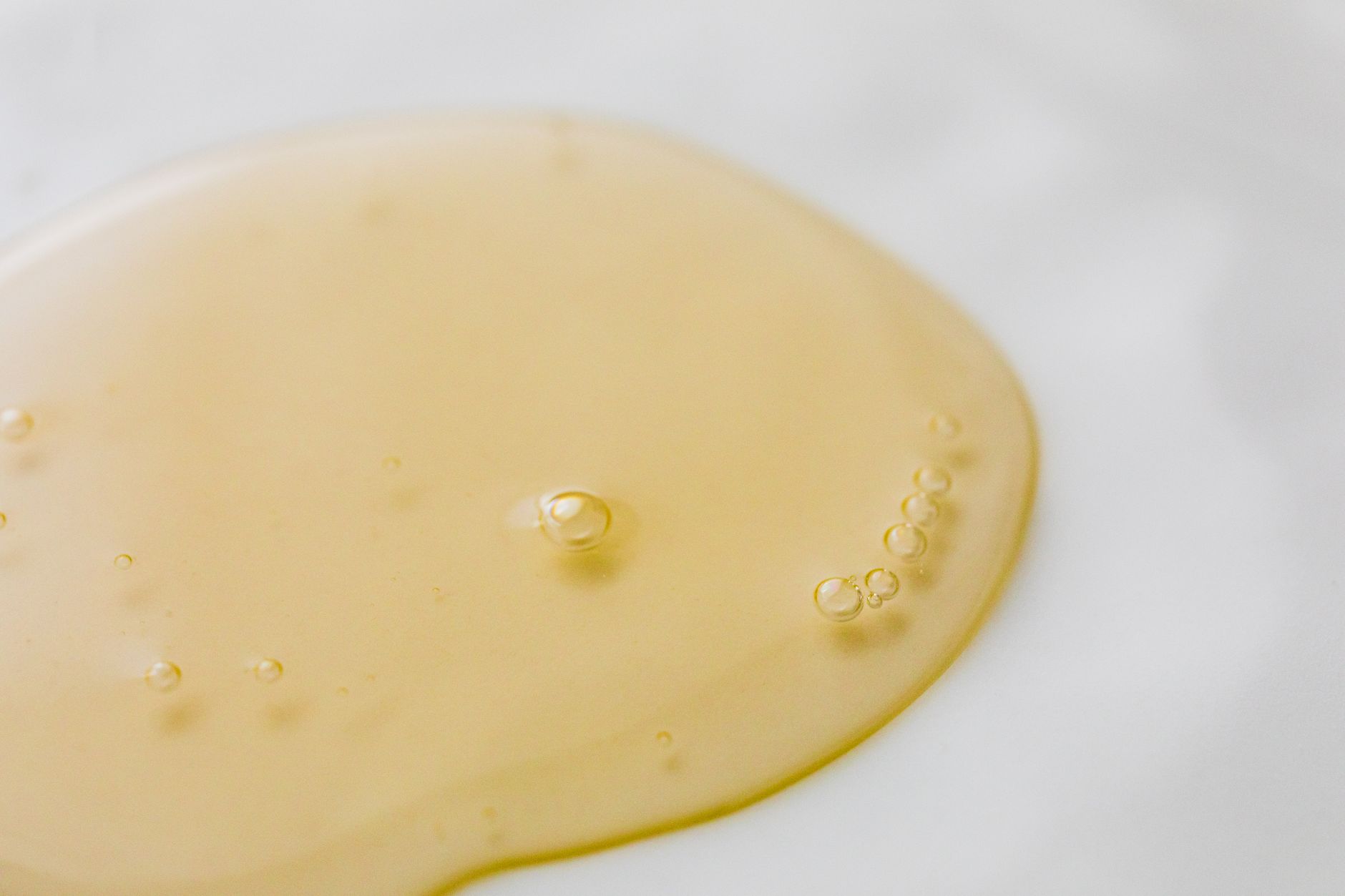
Glycerin is a humectant. It helps attract and hold water, which can make skin feel more comfortable and less tight. In a well-balanced product, it supports hydration without needing a dramatic active-ingredient story.
That is why glycerin is everywhere. Cleansers use it to reduce a stripped feeling. Moisturizers use it for hydration. Serums use it because it plays well with many other ingredients.
Why Sensitive Skin Often Likes It
Reactive skin usually benefits from ingredients that are predictable. Glycerin is not exciting, but it is a familiar support ingredient in many fragrance-free and barrier-friendly products.
It can still feel sticky if the product is poorly balanced or if you apply too much. That stickiness is not dangerous by itself, but it can make sunscreen pill or feel unpleasant.
Where It Shows Up In A Routine
Glycerin can be in almost any step: cleanser, toner, serum, moisturizer, sunscreen, hand cream, body lotion. You do not need to chase all of them. One or two comfortable products with glycerin are enough.
For sensitive facial skin, I care most about cleanser and moisturizer. A cleanser with glycerin may leave the skin less stripped. A moisturizer with glycerin can make dry skin feel less urgent during the day.

Glycerin vs Hyaluronic Acid
Hyaluronic acid gets more marketing attention, but glycerin is often the more quietly useful ingredient. It is less glamorous, usually less expensive, and appears in products that feel more complete than a single-ingredient serum.
Some people love hyaluronic acid. Others find sticky HA serums make their face feel tight. If that happens, a glycerin-rich moisturizer may be easier to live with.
Related reading: hyaluronic acid for sensitive skin.
How To Use It
Most people do not need a separate glycerin product. You can get it through a moisturizer, hydrating serum, or gentle cleanser. The whole product matters more than the ingredient name.
I would avoid DIY glycerin mixtures on the face. Too much can feel sticky, uncomfortable, or irritating. A finished skincare product is easier to control.
If a glycerin product feels tacky, use less before you reject it. Another option is applying it to slightly damp skin and sealing with moisturizer. Do not keep adding layers until the face feels coated.
When Glycerin Is Not Enough
If your skin feels hydrated for an hour and then dry again, glycerin may be doing its part but the product may not seal well enough. You might need a richer moisturizer, a more barrier-supportive cream, or a small amount of occlusive on rough spots.
This is where the hydrating vs moisturizing guide becomes useful. Water-binding and moisture-sealing are related, not identical.
How To Judge A Glycerin Product
Look at comfort over a full day. Does the skin feel less tight after cleansing? Does moisturizer last longer? Does sunscreen still sit well? Those answers matter more than whether glycerin is second or fifth on the list.
I would be cautious with products that use glycerin well but surround it with fragrance or strong actives you already dislike. Sensitive skin reacts to the whole product, not the hero ingredient.
A Small Routine Example
Morning can be simple: rinse or use a gentle cleanser, apply a glycerin-rich moisturizer if your skin feels dry, then sunscreen. Night can be cleanser, moisturizer, and nothing else while the skin is unstable.
Once the routine is calm, then decide whether you need a separate hydrating serum. Many people do not.
If the room is dry or the weather is cold, glycerin may feel better under a moisturizer with more seal. If the weather is humid, the same product may feel tackier. Seasonal texture changes are normal; they do not mean the ingredient suddenly became bad.
What To Watch For
Glycerin itself is usually well tolerated, but the product around it can still cause issues. Fragrance, essential oils, strong actives, or a texture that clogs you matter more than the glycerin line on the label.
If a glycerin-rich product pills under sunscreen, try using less, waiting longer, or moving it to night. Do not sacrifice sunscreen just to keep a hydrating layer.
For acne-prone skin, watch the base texture rather than blaming glycerin first. A rich cream can clog because it is rich, not because the humectant is present.
Bottom Line
Glycerin is one of the safest boring bets in sensitive-skin skincare. Look for it in moisturizers and gentle products, but judge the whole product by comfort, texture, and how it behaves under sunscreen.
Medical note: persistent burning, rash-like irritation, eczema, rosacea flares, or painful skin changes should be discussed with a dermatologist.
Sources
Disclaimer
This article is for educational purposes only and is not medical advice. If you have severe irritation, eczema, rosacea, acne, allergies, or a persistent skin condition, consult a dermatologist before changing your skincare routine.