
You’re probably here because you’ve heard vitamin C can do wonders for skin tone—or maybe you’ve been told it’s a staple for everyone. But if your skin flares up at almost anything new, that enthusiasm turns into caution fast. Should you risk the sting to see if the hype is worth it? Or is vitamin C just another bottle that will gather dust after one bad reaction? Those are the real questions—not whether it lightens a spot or two, but whether it fits your skin’s reality right now.
Quick Answer
Learn can vitamin c irritate sensitive skin? with sensitive-skin guidance, routine examples, ingredient cautions, and practical next steps.
Pain Isn’t Progress—What to Do When Vitamin C Stings

So you’ve dotted on a new vitamin C serum, hoping for the best. Within moments, there’s a zing—maybe around your nose, or a burning stripe across your cheeks. Some people will tell you to “ride out the tingle” or that it’s a sign the product is working. For sensitive skin, though, that’s rarely reassuring. I’d advise stopping right there, not pushing through. “Getting used to it” isn’t the same as your skin actually tolerating an ingredient. In my editorial view, repeated stinging is simply not a price worth paying.
Sure, some might feel less discomfort with a creamier formula. You could try buffering—but not all irritants can be diluted away. I’ve seen (and paused) routines where “gentler” just meant a longer wait for the same irritation. Don’t blame yourself if a popular serum flares things up; sensitive skin doesn’t always conform to what’s trending. Sometimes, stopping early is the smartest move.
If You’re Using Other Actives, Vitamin C Might Be Too Much
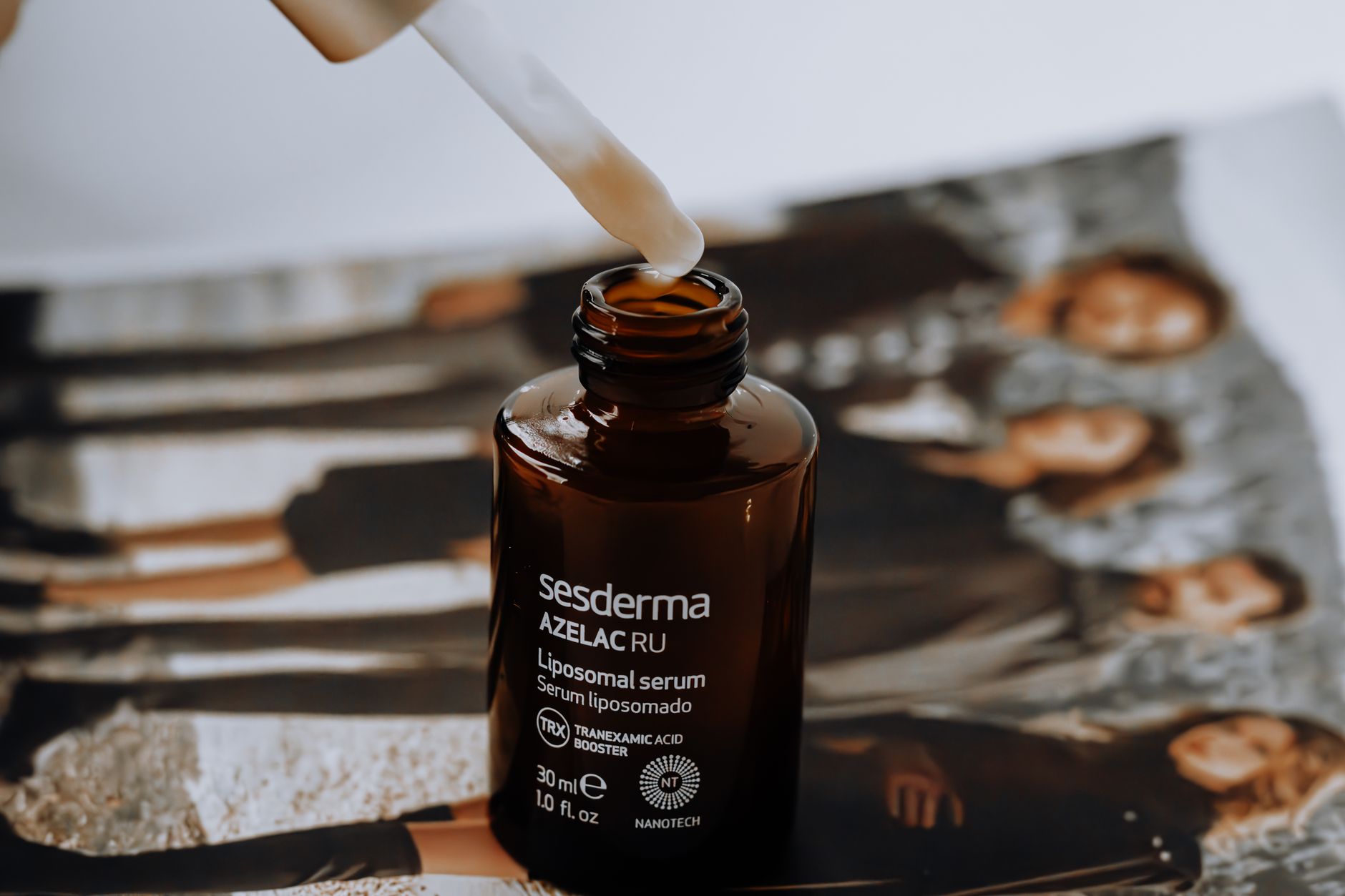
The temptation to multitask—retinoids, exfoliating acids, vitamin C—runs high. But if your skin gets touchy, stacking actives isn’t adventurous, it’s risky. Adding vitamin C to a routine that already includes something intense almost always spells trouble: sudden redness, flaking patches, or new breakouts that don’t behave. From my point of view as an editor, if your skin is already adapting to another active, vitamin C can wait its turn. In fact, some routines become instantly less reactive the moment vitamin C is removed—even without perfect “balance.”
The chase for quick results often backfires. Sensitive skin isn’t a project; it’s a daily negotiation. Don’t stack actives and wait for the fallout. Scale down—sometimes drastically. I know this leaves routines looking a bit underwhelming, but overcorrection later costs more time than a less ambitious approach.
Is Vitamin C Actually Making a Difference—Or Just More Trouble?
If you stopped using your vitamin C serum for a week or two, would you notice anything missing—other than irritation? Some sensitive-skin readers find their face is simply more peaceful without it: less tightness, minimal redness, no unpredictable outbreaks. That’s your answer, not claims on a box. You’re not ignoring some magic cure. When your skin finally feels boring and normal, that’s progress.
I’ll be blunt: the supposed “glow” of vitamin C may not be worth the reset-button effect of constant irritation. If you’re spending evenings troubleshooting new reactions, the vitamin C hype can wait. There’s no rule that every routine must chase the latest “essential.” Don’t let the barrage of tips convince you otherwise.
When Vitamin C Should Drop Off Your To-Do List
Sometimes, vitamin C doesn’t even deserve a spot in the back row. If your skin feels raw from winter wind, you’re healing a nasty reaction, or you can’t get plain moisturizer to settle, vitamin C is no longer a consideration. You need recovery, not experiments. For these weeks, limit your focus to the most basic routine possible—maybe just a gentle cleanser and a plain moisturizer. Vitamin C can wait quietly (unopened), and your barrier gets some quiet time, too.
This is awkward advice, but worth mentioning: sometimes your skin rejects an ingredient no matter how careful you are. If vitamin C consistently backfires, the answer’s obvious. You can simply stop. No need to “push through” or feel left out—peace is its own reward, especially when your skin’s been through a lot already.
Not Every “Gentle” Vitamin C Works for Sensitive Skin
Labels say “for sensitive skin”—but comfort isn’t guaranteed. Sometimes, irritation isn’t instant: it creeps up as invisible warmth, dry patches, or weirdly stubborn redness after a few days. Don’t assume a derivative, lower percentage, or “natural” source will save you from the same outcome. A correction here: plant-based and “clean” formulas can unpredictably set off sensitive faces just as often as the standard stuff.
- Immediate stinging or persistent pinkness: hit pause, not snooze, before things escalate.
- Softer formulas aren’t failsafe—thin or recently stressed barriers can react to just about anything.
- If your skincare is still giving you trouble, don’t add vitamin C “just in case”; extra actives rarely soothe a cranky face.
There isn’t a neat checklist for what will or won’t work—your skin decides. If you’re not sure where you stand, try simplifying. See how your face behaves without the extras. If you eventually circle back to vitamin C, only do so when your skin is calm, stable, and truly ready—never before.
Hard truth: some bottles should stay closed. Sensitive skin gets the final say, even if that means shelf space opens up where your serum used to be.
Sources
Disclaimer
This article is for educational purposes only and is not medical advice. If you have severe irritation, eczema, rosacea, acne, allergies, or a persistent skin condition, consult a dermatologist before changing your skincare routine.