
You’ve got a bottle of serum or toner in one hand, the ingredient list in the other, and glycerin jumps out at you somewhere near the top. Or maybe you’re trying to pick a moisturizer that won’t make an unsettled breakout worse. Is this the moment to pause and double-check if glycerin can clog pores? There isn’t a tidy answer, but the decision often comes down to what else your skin has tolerated lately, how many layers you’re using, and just how reactive you feel today. If you’re the type who notices new bumps with nearly any change, or you’re recovering from a flare, it’s worth slowing down and asking when glycerin is actually something to flag—and when you can ignore the worry altogether.
Quick Answer
Learn can glycerin clog pores? with sensitive-skin guidance, routine examples, ingredient cautions, and practical next steps.
When Too Many Layers Turn Glycerin Into Trouble

If you’ve ever looked in the mirror after stacking on essence, serum, moisturizer, balm, and sunscreen, only to wonder why your skin feels bogged down or bumpy the next day, this is where glycerin sometimes enters the picture. Glycerin by itself isn’t known for causing clogged pores, but when it’s in a formula alongside rich emollients and thick occlusives, it can end up as part of that “blocked” sensation—especially if your routine leaves a glossy film on your face.
I tend to hesitate before adding a glycerin toner or serum under a heavy moisturizer, at least on nights when my skin is feeling delicate or looks inflamed. That’s one area where skipping a product has made a difference for my own routine—not because glycerin is inherently bad, but because piling on more can tip things into congestion if my skin is already struggling. If you’ve got oily spots, and tiny closed bumps are appearing, sometimes less really is better. On the worst days, just putting away one hydrating serum can feel like giving your face a rest from traffic jams.
Glycerin Is Not Usually Top Suspect in Stripped-Back Routines
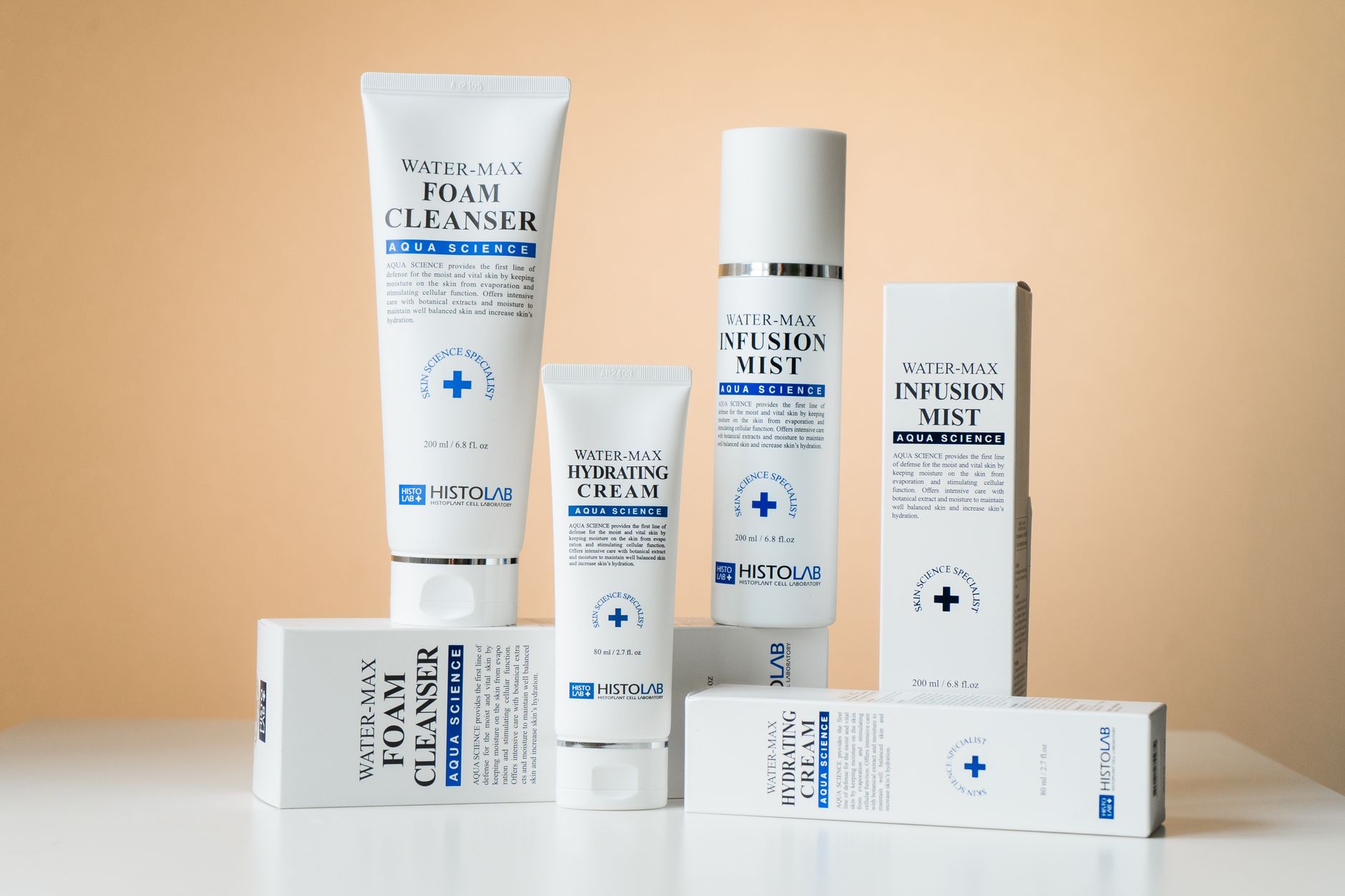
If you’re in a phase where every extra layer feels risky—paring everything down to just cleanser and moisturizer—glycerin almost never deserves suspicion first. In a two- or three-step routine, it’s rare for glycerin to trigger new breakouts or make pores feel blocked, unless there’s something else dense and waxy in the mix. The bigger hazards here are often hidden fragrances, actives, or overly rich creams, not glycerin quietly doing its thing.
Often, when someone asks me if they should ditch a basic moisturizer (it lists glycerin) during a flare-up, my instinct is to look for more obvious culprits. If your skin is calm except for that one, simple product, there’s almost never enough reason to blame it on the glycerin unless every other stone is turned. Most of the time, you can let that apprehension slide until a much more complicated problem comes up.
Changing Weather: Sometimes Glycerin Turns on You
Here’s something I have to check myself every season: a hydrating product that feels right in winter can suddenly make my skin sticky and uncomfortable with summer humidity. Glycerin is one of those ingredients that reacts to more than just the formula. When it’s muggy, that “moisture magnet” quality can feel suffocating, especially if you layer sunscreen or wear heavy makeup. In dry, cold air, though, everything might settle quietly—sometimes you’ll even want more of it to ward off tightness.
In my own routine, the quickest warning sign is not redness or obvious bumps, but simply that lingering, tacky finish that doesn’t fade. If my skin feels like it can’t “breathe,” I go back to fewer layers, and the glycerin serum is the first to get rotated out. There’s no universal rule here—what glides on smoothly in January can drag you into trouble by July. This isn’t always logical. If something that felt fine last week now makes you uncomfortable or leaves a strange residue, reconsidering the order or even dropping the product entirely may help.
Sheet Masks and Wet Layers: Stop If Skin Feels “Sealed Off”
Let’s be blunt—if your skin is already clogged or feels coated, and you’re staring at a sheet mask loaded with glycerin, that’s a step I’d put on hold. There’s nothing dramatic about the ingredients themselves, but these wet, saturating formulas can exaggerate the closed-in feeling and push your pores to the edge—especially in the middle of a breakout or right after one.
On days where I catch myself thinking, “This will be soothing,” but my skin is bumpy, the reality is that it can feel messier and more prone to those tiny closed comedones after masking. The warning sign is simple: if you get a sticky layer that doesn’t settle, or the area gets more congested, cut back. You might find later that reintroducing masks goes fine, but forcing it during a bad phase risks compounding irritation.
Honestly, Glycerin Worry Isn’t Always Worth It
Here’s the part that gets lost in careful ingredient analysis: most days, glycerin just isn’t worth losing sleep over. If your products are lightweight, layers are few, and there’s no greasy residue by noon, chances are your skin will ignore the glycerin altogether. It’s not an ingredient I’d target if you’re only seeing mild redness or the occasional tingle. Save your energy for more obvious red flags—hidden fragrances, dense plant butters, and too many steps.
Frankly, some routines are complicated beyond reason. If glycerin is the biggest worry, but skin is calm and not reacting, it’s fine to set that anxiety aside until something real shifts. The rare exception is if you’ve stripped away every other irritant and still see clogged pores—then, maybe, swap to a glycerin-free formula for a bit and check what changes. Mostly, though, there are bigger fish to fry.
No Single Answer—and That’s the Point
Some decisions just aren’t smooth. I can say glycerin isn’t a guaranteed pore-clogger, but no label ever perfectly predicts what your skin might decide on a stressful week. “Non-comedogenic” means something, but not everything, and there’s no way to sidestep that uncertainty. Context is what matters: how many layers you’re using; the rest of your formula; your stress and hormone cycles. If your skin keeps acting up, even good ingredients can tip over into bad results.
So, if your face feels like it’s reached its limit, don’t add another glycerin-rich product “just because.” If you’re sailing along with a simple routine, let glycerin stay in the lineup—unless something changes. Above all, trust what your skin does, not what the marketing or the label suggests.
- Glycerin plus multiple heavy layers: risky, especially for breakouts
- Glycerin in simple, streamlined routines: rarely a problem
- Sheet masks with glycerin on congested skin: I’d skip until things calm down
Ultimately, it’s not about the chemical itself—it’s about everything else you’re asking your skin to juggle at once. That’s the catch nobody likes, but it’s usually how these decisions play out.
Related reading
Sources
Disclaimer
This article is for educational purposes only and is not medical advice. If you have severe irritation, eczema, rosacea, acne, allergies, or a persistent skin condition, consult a dermatologist before changing your skincare routine.