
If you’re stuck holding a bottle of squalane, eyebrows raised, because your face is newly unpredictable, it’s not a minor dilemma. The bottle’s promise is soothingly minimal: one ingredient, not a mile-long label—and there’s hope that switching from something richer (or more complex, or actively problematic) might help shut down that latest cycle of breakouts or blotchiness. Squalane’s “safe for all” reputation seems solid—until you need actual reassurance for your particular skin, right now.
Quick Answer
Learn can squalane break you out? with sensitive-skin guidance, routine examples, ingredient cautions, and practical next steps.
If You Want Out of a Moisturizer Mess, Don’t Rush Squalane
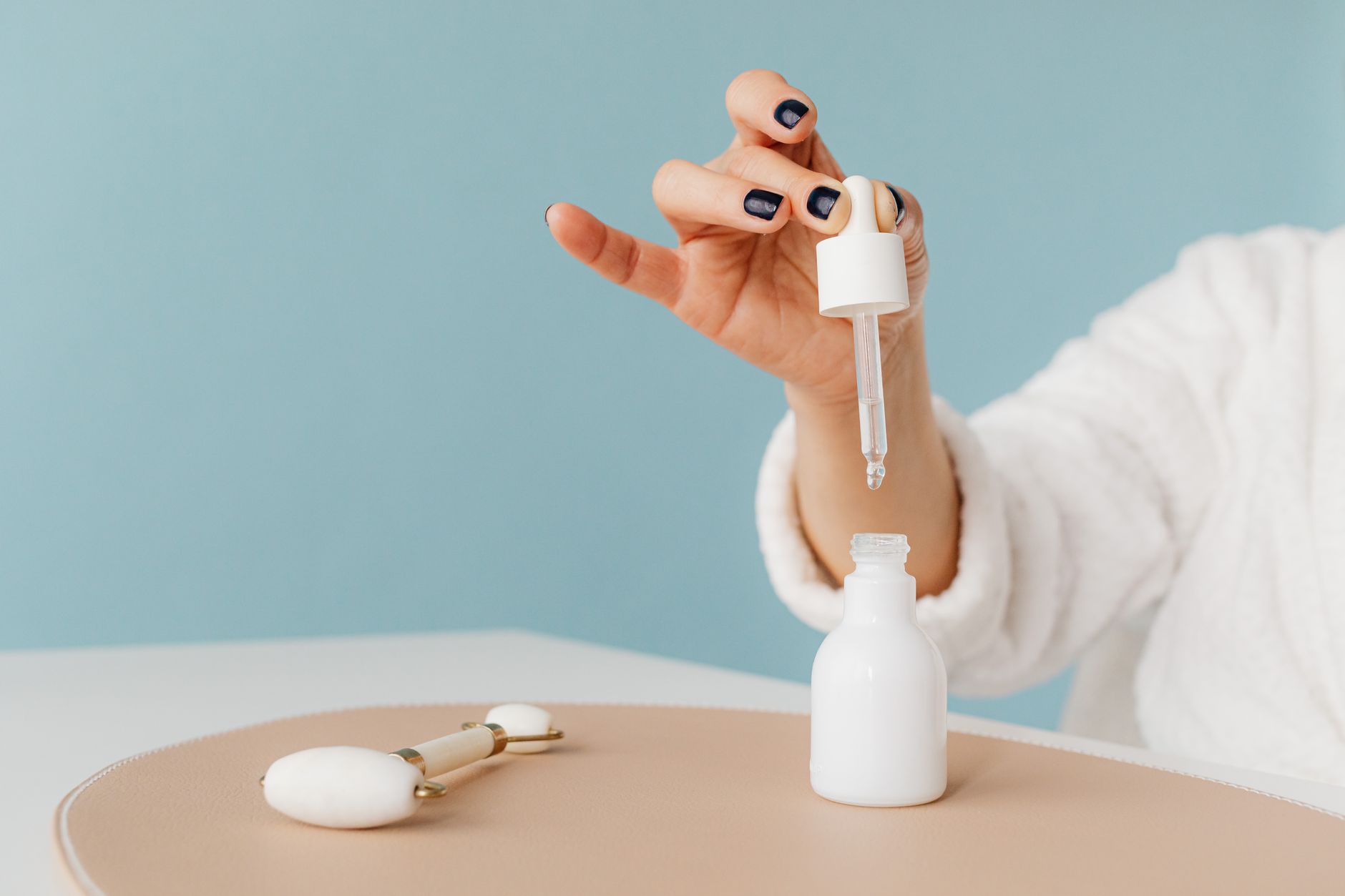
You tried a moisturizer, and it didn’t just fail—it made things worse: redness, burning, bumps, regret. Now squalane looks like a gentle reset. Here’s where I step back. Even an ingredient with a spotless track record on paper can turn unpredictable in real life, especially if your skin barrier is already flaring or flaking. “Inert” isn’t always as safe as the marketing copy suggests. Sometimes the least disruptive decision is sticking with your plainest, most boring moisturizer and simply waiting. I would hesitate to introduce squalane right after a reaction, unless you feel you have no reliable alternative—then, try the tiniest amount and give it a good few days before judging either way.
There’s no clean, simple answer to “Will squalane break me out?” That’s part of the hassle; it dodges easy rules.
Pared-Back Routines: Squalane Can Help or Just Get in the Way

Maybe you’ve been through the big, multi-product experiment: retinoids, acids, serums, spot treatments—then a breakout. Now, all instincts point to stripping things down and reaching for something, anything, that won’t worsen the storm. Squalane fits that “simple oil” fantasy for many, and sometimes it genuinely does calm things down. But let’s not pretend it’s magical. Most flare-ups triggered by overlayering need time, not just a swap. Give squalane a careful trial run—just a drop, one step, alongside your most reliable cleanser and a bland base. Don’t overhaul everything at once. If more bumps show up, pause and question every change, not just the “add-in.” Your skin needs more patience than product excitement.
Fungal Acne Concerns? Don’t Assume Squalane Is Problem-Proof
Suspicious of all oils because of malassezia or “fungal acne”? You’re not alone. Squalane avoids the fatty acids that feed yeast—so it’s theoretically safe in that context. The catch: some skin refuses to care about theory. If you’re someone who’s reacted badly to every leave-on oil and you’re nervous about unpredictability, there’s no need to soldier through a squalane experiment. Honestly, I’d avoid it entirely until your skin feels quieter, especially if past attempts with single-ingredient oils have ended poorly. A plain gel or lightweight moisturizer sometimes feels almost boring, but that boredom is underrated in recovery phases.
If you’re tempted by influencers promising “won’t clog your pores,” don’t let that phrase short-circuit your common sense. For some skin, everything is a potential wildcard.
Squalane’s “Non-Comedogenic” Label Won’t Save Every Face
There’s a certain comfort in hearing something is non-comedogenic—no clogged pores, supposedly no breakouts. It’s only half-truth. If your skin has never liked oils (or responds unpredictably to even “safe” ones like squalane), those claims don’t mean much in the daily mess of real skin. I see more people chasing a label than actually tuning in to what’s happening on their own face. Honestly, if you’ve had trouble with jojoba or other “non-comedogenic” oils, don’t let squalane’s status sway you.
A quick note nobody likes to hear: it’s possible to follow every rule and still break out. That isn’t failure or a sign to panic. Sometimes, it just happens.
- If you strictly avoid oils, squalane won’t be the exception.
- If your routine is working, new breakouts might mean stress, weather, or internal changes—products aren’t always the villain.
- If you’re curious, start with less than you think you need, and ignore the product hype cycles.
Sometimes There’s No Reason to Focus on Squalane at All
This part gets skipped in most advice: sometimes, squalane just isn’t worth your worry. If a major breakout has hit, especially if it’s cystic, spreading, or not budging, fixating on your oil step is missing the bigger picture. Stress, hormones, nutrition, medication—those play a larger role in out-of-the-blue skin shifts than a single ingredient ever could.
And if your pared-back routine is working—skin is improving, things are stable—there’s usually no urgency to add even the best-behaved oil. In my view, the most consistent progress for raw, sensitive skin comes from resisting novelty, not seeking it. During a stubborn recovery, I’d let things be as plain as I could stand, even if that feels unambitious.
So no, squalane is not a miracle, but it’s not a universal culprit either. If you’re at a crossroads—wondering if this little bottle will fix or worsen things—default to minimalism, give it time, and let experience, not hype, guide your next move.
Related reading
Sources
Disclaimer
This article is for educational purposes only and is not medical advice. If you have severe irritation, eczema, rosacea, acne, allergies, or a persistent skin condition, consult a dermatologist before changing your skincare routine.