
If your skin is easily rattled, deciding whether to start using peptides rarely comes down to a tidy yes or no. Maybe someone handed you a peptide serum sample, or you’re staring at a half-used bottle bought during a hopeful phase. You want results, but you also know the drill: sometimes one new step tips everything off balance. Here’s where the worry about peptides irritating sensitive skin really starts—and what’s actually worth considering before you swap, stack, or shelf the idea.
Quick Answer
Learn can peptides irritate skin? with sensitive-skin guidance, routine examples, ingredient cautions, and practical next steps.
Mixing Peptides with Other Actives: Points of Hesitation
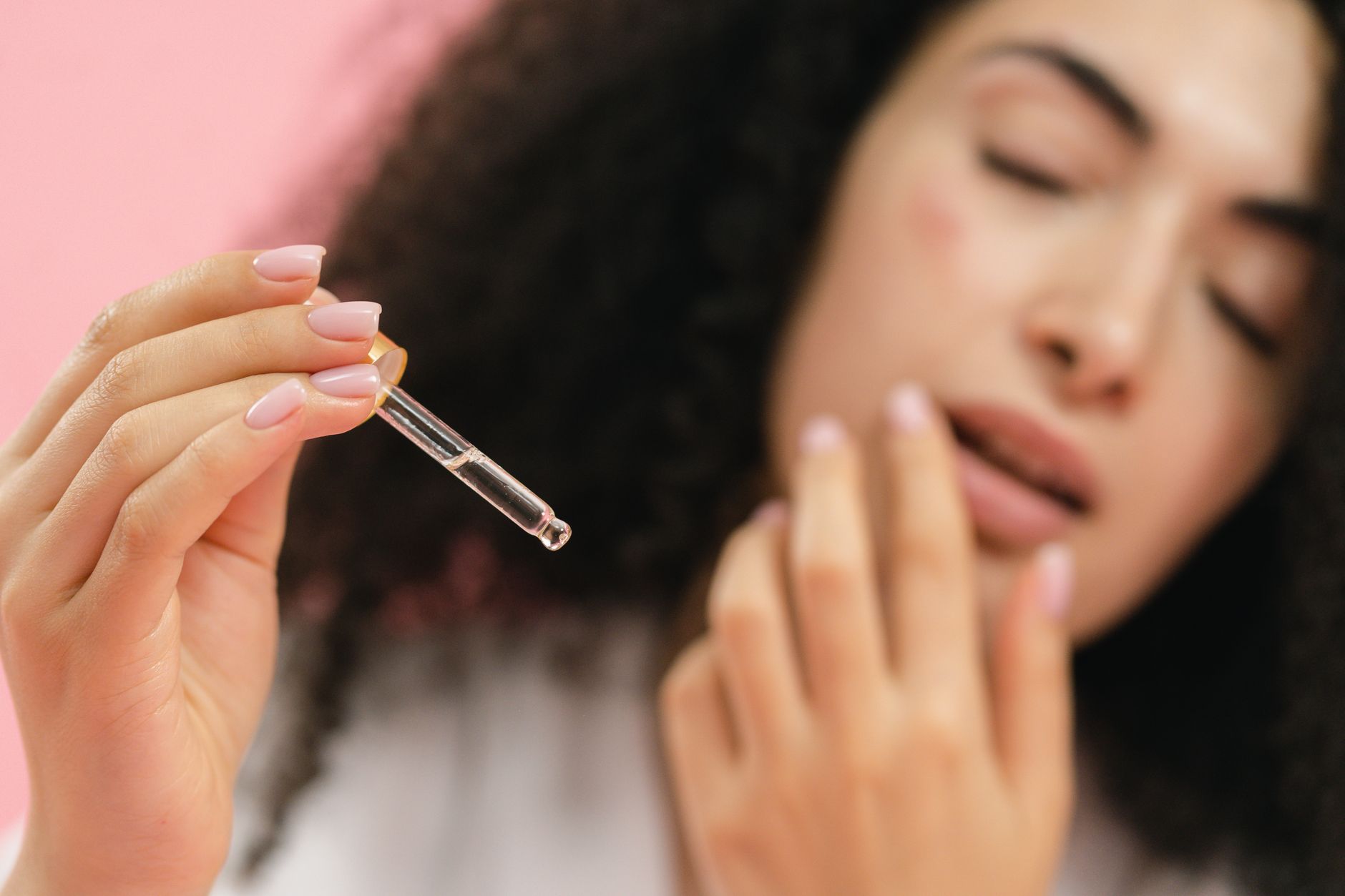
If you’re already at the limit—a retinoid in the routine, an exfoliating acid here or there—the urge to add one more “boost” (like a peptide serum) can feel logical. But even supposedly gentle additions may stir things up, especially when you can’t tell which product is behind sudden tingling or redness. If my own plan left my skin steady, I would slow everything down before adding in a peptide. Give your face some time with just the old familiar lineup. The less confusing, the better.
Trying everything at once, switching all your basics to “peptide-infused” versions overnight, or layering newness on newly calm skin is usually where things go sideways. In fact, introducing a peptide formula during an already active phase is, in my editorial view, an experiment worth skipping. Sometimes the hardest move is standing still, even if the latest post or ad is nudging you otherwise.
In the Middle of a Flare: Not the Time for Peptide Fixes

Let’s get blunt: if your skin just flared up—or is in the process of settling—putting faith in a peptide for rescue isn’t likely to help. It’s easy to hope a “peptide barrier cream” will fix what a rash or burner product broke, but raw or recently angry skin is finicky about newness. Even formulas labeled as “soothing” bring a long tail of side ingredients like preservatives, subtle fragrance, or alcohols that can interrupt your repair window.
If I had just finished coping with a rash or redness, I’d actively avoid adding any peptide formulas. In the scramble to fix, it’s tempting to add, but sometimes true repair means paring back. Most post-flare progress comes from bland, plain basics—nothing chasing a peptide trend. Come back to the peptide urge once your skin provides true calm for a week or more, not just a deception that lasts a single evening.
New Redness, Tingling, or Texture After Trying Peptides?
You finally try that new peptide product, maybe a moisturizer replacing your usual standby, and your skin tingles or lights up red. The instinct is to blame the “active” at the top of the box, but the real issue might be the long, tricky ingredient list that came with it. In most cases, it’s the additives—botanicals, scent, silicones, or something you didn’t expect—that tip skin into trouble. Still, irritation is irritation, regardless of the label.
Here’s the awkward bit: there’s no guarantee that a serum will be gentler than a cream, or vice versa. Peptide is not a safety guarantee. If something stings or bumps appear that don’t settle quickly, don’t rationalize it away. Pause. Go back to basics. There’s no award for seeing a week’s worth of breakout through to the finish just for the sake of “acclimating.”
Trend Chasing and Social Influence: When to Step Back
Hype can lure you into routines that barely belonged in the first place—multi-step peptide “sandwiches,” cocktailing several peptide serums, switching all moisturizers on a whim. For already-sensitive faces, restraint makes the best experiment. A full-face switch is risky; under-eye formulas sometimes sound safer, but even that thin skin has a short fuse.
If you’re tempted to jump on every new peptide product, I’d pull back and consider what actually needs improving. Apply new concepts in small portions, not across your entire face. Allow weeks, not days, to judge results. For me, I’d actively resist making peptides my main event if everything else is calm—and if curiosity won’t quit, I’d keep it to one zone, one formula, and nothing else new nearby.
- If you want to test, introduce only one peptide product at a time.
- Gently trial under-eye formulas, but expect a reaction here first if one is coming.
- If your skin’s been stable, don’t overhaul your routine for peptide claims alone.
Sometimes Peptides Aren’t the Topic to Worry About
If you’re reading ingredient lists and haven’t actually changed anything, this section is for you. When your skin is steady, not irritated, and you’re not adding fresh formulas, peptide anxiety is mostly noise. If peptides are buried low in your moisturizer or you’re not rotating through new actives, don’t amplify small risks. Also: during genuine flares (itching, swelling, confusing rashes), the best move is radical avoidance of anything new—peptides included. The priority is a repair routine, not a “try this in case it helps” impulse.
This part is often missing in product claims. You don’t need to invent a problem if you’re not seeing one—some weeks, the best thing is to breathe and use what’s working.
A Few Messy Realities: Pausing, Backtracking, and Unsolved Questions
Not every “mild tingle” after a peptide means you have to toss the product. Sometimes skin needs a couple uses to settle, and sometimes it never will. If redness, stinging, or unsteady patches persist past a brief phase, just stop—the “maybe it’ll fade” guesswork isn’t worth weeks of inflammation. The answer may be buried elsewhere in the ingredient list.
You’ll notice there isn’t a neat diagram for this. Sensitive-skin routines aren’t won by collecting buzzy actives—even peptides. If the product works and nothing feels off, I’d usually leave things alone. If you hit a phase where every addition causes static, it’s time to stop listening to routines that promise perfect outcomes. Sometimes less is more, and sometimes “do nothing” is the most practical advice.
Related reading
Sources
Disclaimer
This article is for educational purposes only and is not medical advice. If you have severe irritation, eczema, rosacea, acne, allergies, or a persistent skin condition, consult a dermatologist before changing your skincare routine.