
The phrase “best skincare products for sensitive skin” is almost too big to be useful. Best for what? A face that burns after cleanser? A face that breaks out from rich creams? A face that hates sunscreen but still needs it every morning?
Quick Answer
A practical guide to skincare products for sensitive skin, focused on cleanser, moisturizer, sunscreen, and careful treatment choices.
So I would shrink the question. Sensitive skin does not need the best everything. It needs a few products that make the day less confusing.
Start with the boring three

Cleanser. Moisturizer. Sunscreen. That is the base. Not because serums are bad or masks are silly, but because these three steps tell you a lot. If they are unstable, every extra bottle becomes another suspect.
My comparison criteria are reaction risk, job clarity, ingredient overlap, texture, and whether the product makes the next step easier or harder. A product that solves one problem and creates three new ones is not a win.
I like routines where you can point to each product and say why it is there. “This cleans without tightness.” “This makes my cheeks stop feeling papery.” “This sunscreen does not make my eyes water.” That is enough structure for a sensitive face.
The product I trust most is usually the one I notice least. No sudden heat, no mystery bumps, no new step that makes the next step harder. Sensitive skin often improves when the routine becomes less eventful.
Cleanser is the mood-setter
A bad cleanser makes everyone else look guilty. Moisturizer stings because the cleanser stripped too much. Sunscreen feels rough because the skin is already tight. A serum burns because the barrier started the routine annoyed.
For many people, the first filter is fragrance-free and non-scrubby. Creamy cleansers, lotion cleansers, and mild gels can all work. I would judge by the ten-minute-after feeling, not by foam. Foam is theatrical. Comfort is useful.
For that step, compare the sensitive-skin cleanser guide. If your skin dreads washing, start there before buying a new serum.
Moisturizer has to fit real life
Moisturizer is not only for dry skin. Oily sensitive skin can still need barrier support. Redness-prone skin may need less friction. Acne-treatment skin may need a calmer buffer.
The texture is the part people underestimate. A rich cream can be wonderful at night and impossible under sunscreen. A gel can feel perfect in July and useless in dry winter air. Owning two textures may be more practical than forcing one moisturizer to do every job.
Look for comfort ingredients: glycerin, ceramides, dimethicone, petrolatum in small amounts, panthenol, squalane, or colloidal oatmeal if tolerated. None of those words guarantee success. They just give the formula a sensible reason to be in the routine.
Texture/use case matters here: light lotion for daytime, richer cream for dry nights, gel-cream when heavy formulas make you touch your face. The same moisturizer does not have to win every situation.
Sunscreen is where theory gets tested
Sunscreen is where sensitive skin often gets stubborn. Mineral can cast. Chemical can sting. Tinted can be the wrong shade. Matte can feel dry. Moisturizing can feel too heavy.
The best sunscreen is not the one with the most elegant promise. It is the one you can apply generously and repeat tomorrow. For sensitive options, compare the sensitive-skin sunscreen guide.
Extras come after the base behaves
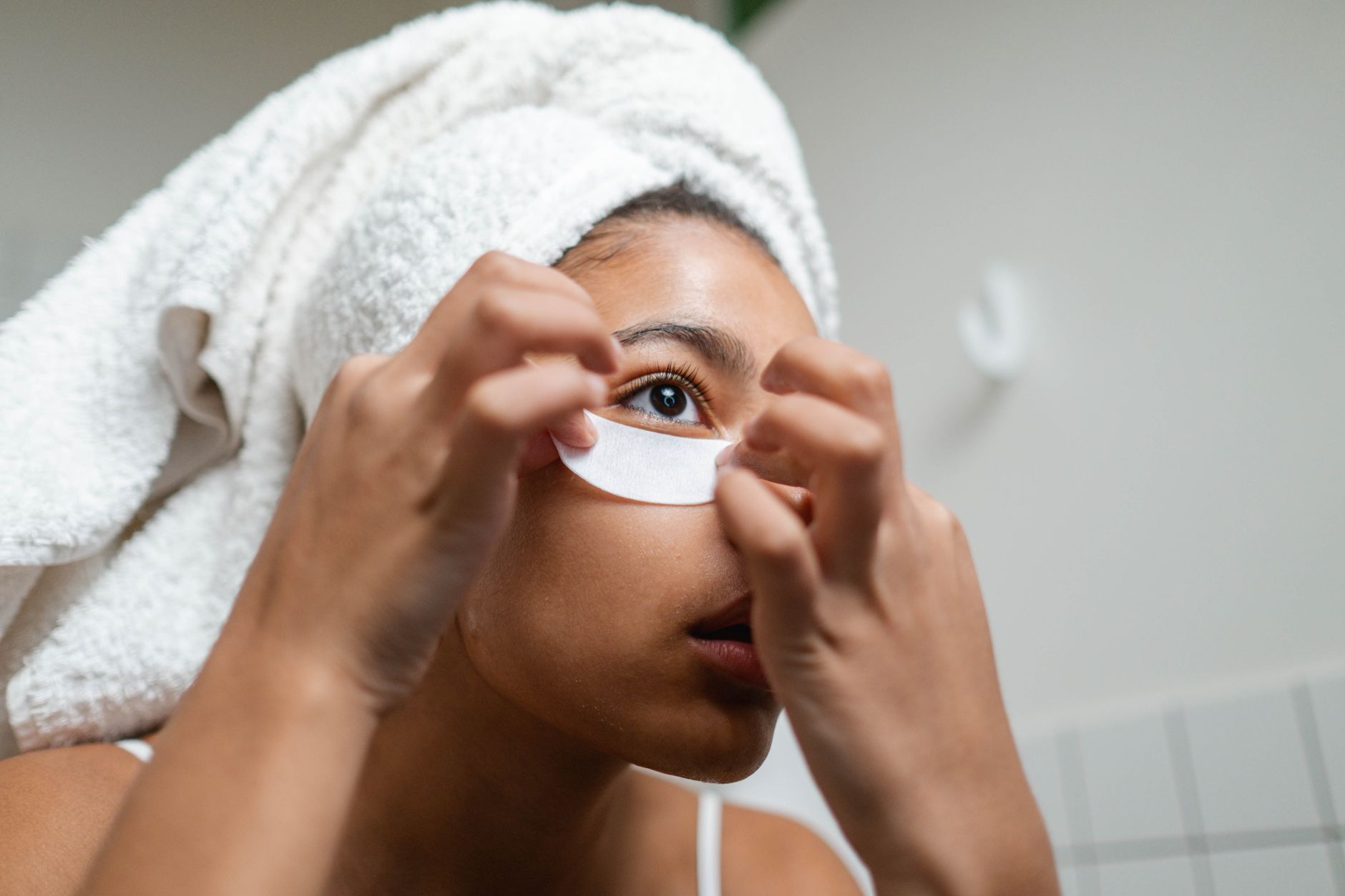
Serums, toners, masks, retinoids, acids, and acne treatments can help. They can also make the routine impossible to read. Add one. Keep everything else boring. Watch what changes.
Ingredient overlap is sneaky. Niacinamide in four products. Hyaluronic acid in every layer. Exfoliation hidden in cleanser and toner. Sensitive skin often reacts to the pile, not one dramatic villain.
My rule here is blunt: if a product needs three other products to make it tolerable, it may not belong. A brightening serum that requires a rescue cream, a calming mist, and two days off is asking a lot.
The reverse is true too. If one plain moisturizer makes two serums unnecessary, keep the moisturizer and enjoy the shorter routine. Fewer bottles is not less serious skincare.
How I would build it
If the skin is unstable, use cleanser, moisturizer, and sunscreen for two weeks. Not forever. Just long enough to learn the baseline. Then add one treatment if there is a real reason.
Acne, redness, dark spots, and texture are different reasons. Do not buy one product because the page says it handles all of them. Sensitive skin prefers specific decisions.
Patch test if you react easily. Take boring notes if your skin history is messy. Date, product, what changed. This is not glamorous, but it beats trying to remember whether your cheeks started burning before or after the new toner.
I would change one product at a time and give neutral products a few days. If something burns, stop sooner. If something is simply unimpressive, that is different from irritation. Not every product has to become a villain.
Do not rebuild everything after one bad skin day. Weather, sweat, sleep, stress, shaving, and hormones can all make sensitive skin look worse for a while. Change products when there is a pattern.
Skip it if
Skip any product that burns, duplicates an active already in your routine, makes sunscreen harder to wear, or promises to fix five concerns at once. Skip products bought from panic. Panic shopping has terrible taste.
Final take: the best skincare products for sensitive skin are the ones that make the routine readable. Clean, moisturize, protect. Then add carefully, only when the reason is clear.
Sources
Disclaimer
This article is for educational purposes only and is not medical advice. If you have severe irritation, eczema, rosacea, acne, allergies, or a persistent skin condition, consult a dermatologist before changing your skincare routine.