
Redness-prone skin makes moisturizer shopping oddly emotional. A cream can look soothing, sound soothing, and still make your cheeks feel warmer. The hard part is that redness can come from dryness, irritation, rosacea-prone skin, acne treatment, weather, rubbing, or a product your face simply dislikes.
Quick Answer
A practical guide to moisturizers for redness-prone skin, focused on sting, heat, texture, barrier support, and sunscreen layering.
I would not choose a moisturizer for redness by the prettiest calming claim. I would choose it by whether it makes the routine quieter.
What I want from it
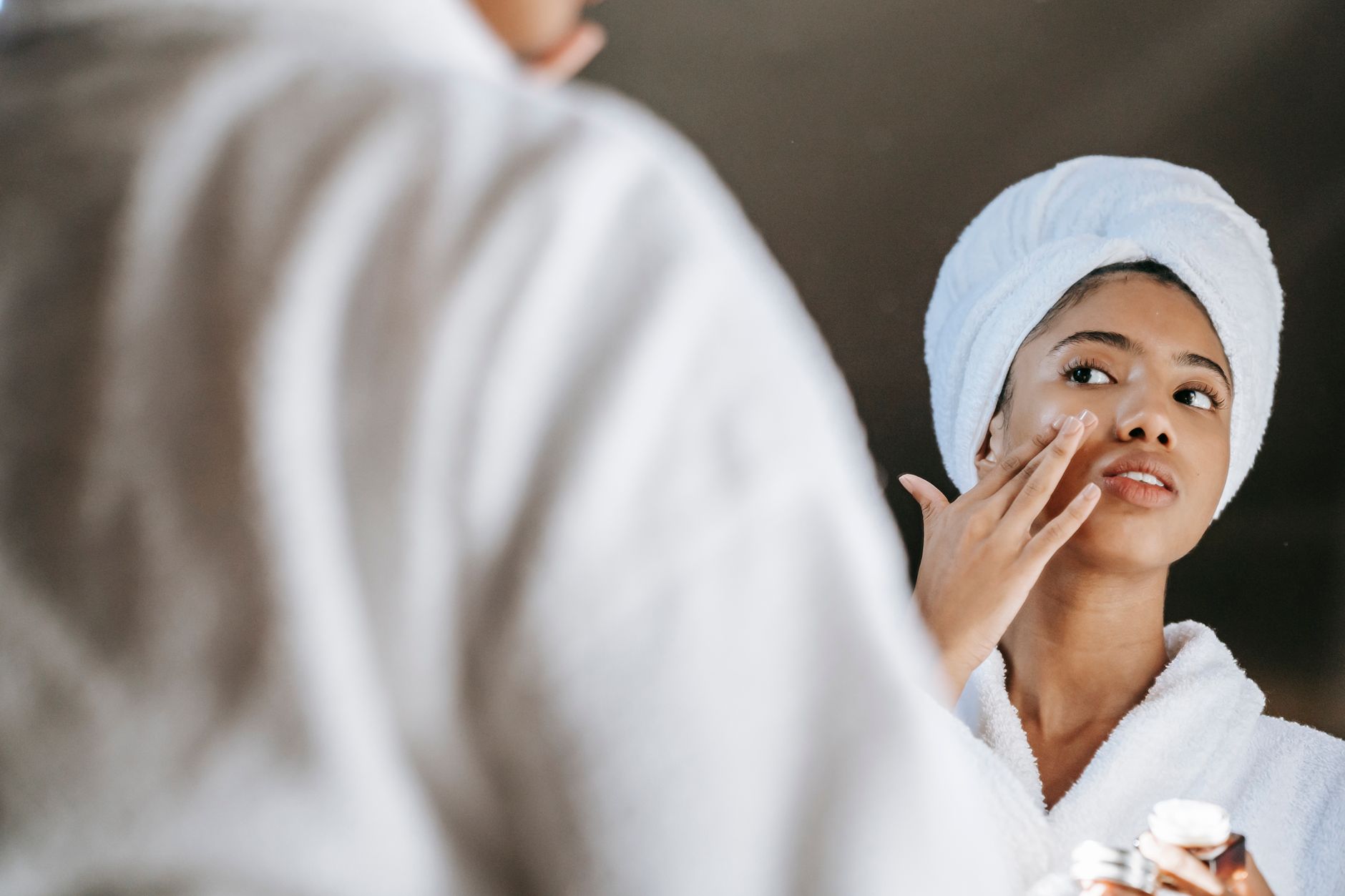
My comparison criteria are sting, heat, fragrance, barrier support, texture, and whether redness looks calmer after a few ordinary days. I also care about whether sunscreen sits well over it, because a moisturizer that breaks SPF is not helping enough.
Barrier-supporting ingredients are a good place to start: glycerin, ceramides, petrolatum in small amounts, dimethicone, squalane, panthenol, colloidal oatmeal, or similar comfort ingredients. The formula does not need every one. It needs to reduce friction and water loss without adding obvious triggers.
Texture depends on the face. Dry redness-prone skin may like a cream. Oily redness-prone skin may prefer a gel-cream or lotion. The wrong texture can make you touch your face all day, and touching is not neutral when redness is already easy to provoke.
Climate matters too. A moisturizer that feels perfect in winter may trap heat in summer. A gel that feels lovely in humidity may be useless in dry air. I would not call that failure. It may just be a seasonal product.
If you flush easily, avoid judging a moisturizer immediately after a hot shower or workout. Your face may already be red. Test it during a quieter moment so the product gets a fair reading.
Calming ingredients are not guarantees
Centella, oat, aloe, green tea, and niacinamide can be useful for some people. They can also be irritating for others. A calming label is not a contract. If your face burns after applying it, the marketing does not get a vote.
Niacinamide deserves special attention. Many redness-prone routines already contain it in serum, moisturizer, sunscreen, or cleanser. Too much overlap can make troubleshooting difficult. If niacinamide has stung before, choose a plainer moisturizer first.
Fragrance and essential oils are easy skip candidates when the skin is reactive. Not because everyone reacts, but because redness-prone skin often benefits from fewer variables.
The heat check
Apply moisturizer and wait. Does your face feel cooler, neutral, warmer, or prickly? Heat is not the same as hydration. If a product makes cheeks feel flushed every time, I would not keep forcing it.
Also check what happens after sunscreen. Some moisturizers are fine alone and irritating when layered. Some pill, some trap heat, some make sunscreen migrate. The routine result matters more than the solo product moment.
Makeup can change the answer too. A moisturizer may calm bare skin but pill under foundation. If makeup is part of your normal day, test it that way before declaring the product perfect.
I would also watch nighttime heat. Some rich creams feel comforting for twenty minutes and then make redness-prone skin feel trapped. If you keep waking up flushed after using a heavy cream, texture may be the issue.
How I would test

Use it twice a day for several days if it does not sting. Keep cleanser and sunscreen the same. Do not add a new serum at the same time. Redness-prone skin can react slowly, especially when the trigger is texture, heat, or layering.
Take one photo in the same light if redness is the concern. Not a dramatic closeup under harsh bathroom lighting. Same window, same angle. Otherwise you will end up arguing with shadows.
If your skin is currently flaring, patch test first and keep expectations modest. A moisturizer can support the barrier, but persistent or severe redness may need medical guidance rather than another product swap.
Use enough to cover the face, not so much that it becomes a mask. More cream is not always more calming. Sometimes a thinner layer more consistently is better than a thick layer that makes the face warm.
Where it fits
Moisturizer should sit after any gentle serum and before sunscreen in the morning. At night, it may be the last step. If your routine includes retinoids or acne treatments, a calmer moisturizer can make those treatments more tolerable, but it cannot erase overuse.
For broader barrier options, compare the barrier repair cream guide. If your redness is tied to sunscreen discomfort, the sensitive-skin sunscreen guide may be the next useful check.
Skip it if
Skip a moisturizer if it burns, heats the face, contains fragrance you know bothers you, pills under sunscreen, or makes you touch your cheeks constantly. Skip it if the calming claims are doing more work than the formula.
Skip it too if it only works when every other step is perfect. Real routines include sunscreen, weather, and tired evenings. A good moisturizer needs to survive normal life.
If you keep applying more because the first layer never feels comforting, the formula may be missing what your skin needs. More of the wrong texture is still the wrong texture.
Final take: the best moisturizer for redness-prone skin is the one that makes your routine quieter. Less heat, less sting, less friction, fewer questions.
Sources
Disclaimer
This article is for educational purposes only and is not medical advice. If you have severe irritation, eczema, rosacea, acne, allergies, or a persistent skin condition, consult a dermatologist before changing your skincare routine.