
Face masks are risky territory for sensitive skin because they invite overconfidence. Ten minutes, instant glow, spa feeling, smooth skin by dinner. Lovely idea. Also a very efficient way to irritate your face if the formula is strong, fragranced, drying, or just wrong for that week.
Quick Answer
A practical guide to face masks for sensitive skin, focused on calming formulas, clay-mask caution, fragrance, and when to skip masks.
I would not build a sensitive-skin routine around masks. I would treat them like optional tools. Useful sometimes, unnecessary often, and not worth it if they leave your skin hot or tight.
The kind I would try first

I would start with a hydrating or barrier-supporting mask, not a peel, scrub, strong clay, or acid-heavy treatment. Look for comfort cues: glycerin, panthenol, colloidal oatmeal, aloe if you tolerate it, ceramides, squalane, or a plain cream-mask texture.
That does not mean every calming ingredient is safe for every person. Oat bothers some people. Aloe bothers some people. Plant extracts can be fine or irritating. The point is to choose a mask with a clear comfort job and fewer dramatic extras.
If your skin is actively burning, peeling, or rashy, I would skip masks entirely and return to a very plain routine. A mask is not emergency medicine. Sometimes the calmest move is doing less.
I would be especially careful with masks that promise resurfacing, pore vacuuming, instant tightening, or a hot-cold sensation. Those effects can feel like the product is working. For sensitive skin, they can also be the first sign that tomorrow morning will be unpleasant.
A cream mask that feels like a heavier moisturizer may sound boring, but boring is often the useful lane. If you want a mask because your regular moisturizer is not enough, the better fix may be a richer moisturizer, not a weekly dramatic treatment.
Clay masks need care
Clay can be useful for oily areas, but sensitive skin often pays for that tight clean feeling. I would not let a clay mask dry into a cracked desert layer. Remove it before your face feels stiff. Use it only where you need it if your cheeks are dry but your nose is oily.
If a mask makes your face feel squeaky, shiny-tight, or red afterward, I would not call that deep cleansing. I would call it a warning. Oily sensitive skin can still have a fragile barrier.
Multi-masking can be practical if you keep it simple. Clay on the nose, hydrating cream on the cheeks, nothing on the irritated patch. It looks silly in the mirror, but it respects the fact that one face can have several moods at once.
Sheet masks and fragrance
Sheet masks can feel soothing because they are wet and cooling. That does not automatically mean the formula is gentle. Many are fragrance-heavy or full of botanical extracts. A sheet mask also keeps ingredients pressed against the face, which can be lovely or irritating depending on the formula.
I would check the ingredient list before the cute packaging wins. If fragrance is high on the list, I would be cautious. If your skin is rosacea-prone, eczema-prone, or recovering from actives, I would be even more cautious.
How long to leave it on
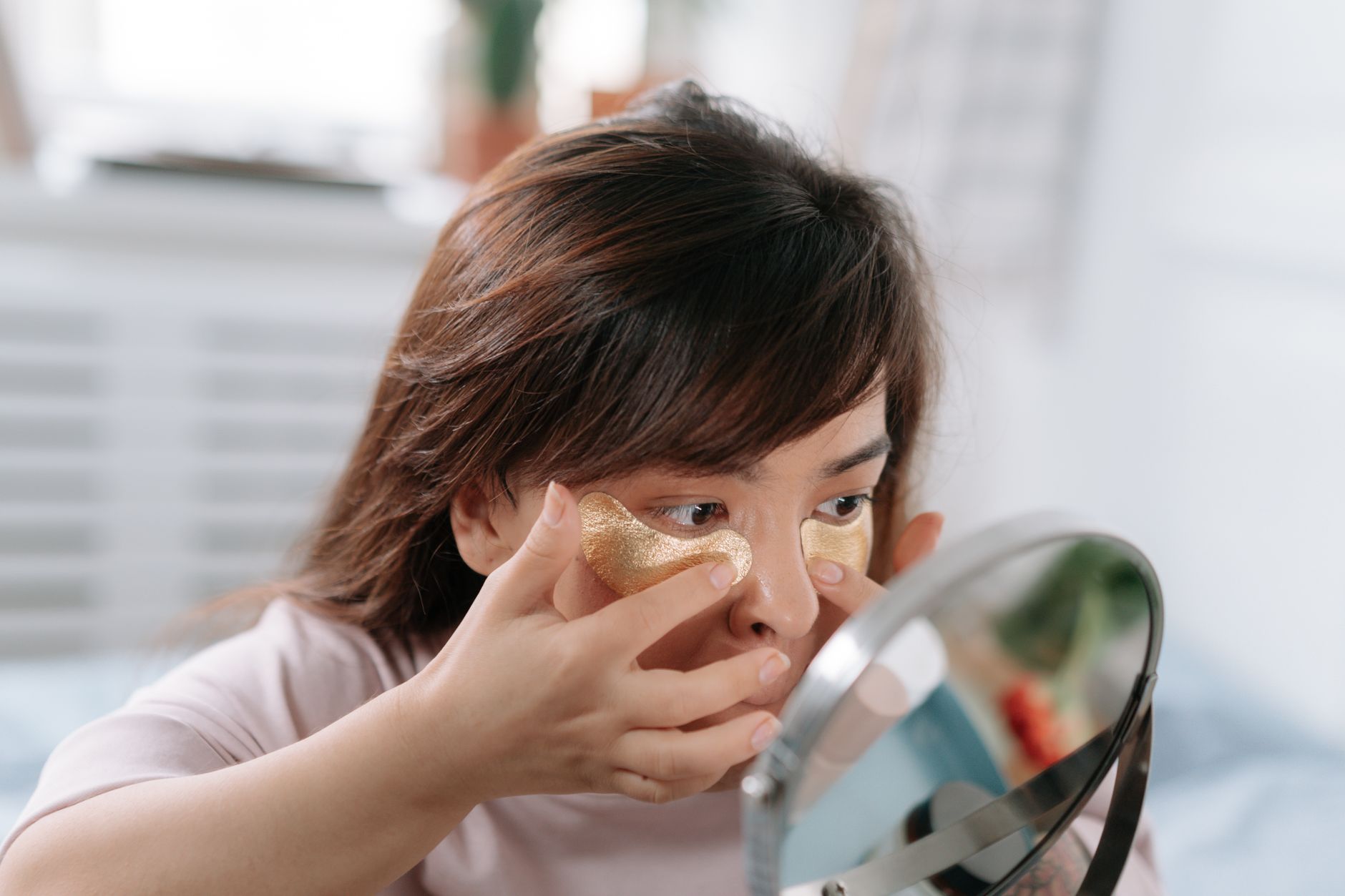
I would follow the lower end of the time range the first time. If the label says ten to fifteen minutes, do ten. If your skin starts to sting, take it off early. Do not sit through burning because the timer has five minutes left. The timer is not in charge of your face.
After rinsing, I would moisturize and stop. No exfoliating toner, no retinoid, no new serum just because the skin feels soft. A mask can make skin feel temporarily smooth, and that is exactly when people overdo the next step.
For barrier-first routines, compare the barrier repair cream guide. If you are using masks because every cleanser leaves you tight, the gentle cleanser guide may solve more than another mask.
How I would test
Patch test near the jaw or behind the ear if you are reactive. Then use the mask on a quiet night, not before a wedding, photo day, or first date. Keep the rest of the routine boring and check your skin the next morning.
Frequency matters. A mask that is fine once a month may be too much twice a week. Sensitive skin often tolerates occasional extras better than frequent experiments.
I would also test removal. Some masks feel gentle while sitting on the skin but require rubbing to rinse away. If taking it off is the irritating part, the formula still fails the routine. A soft wet cloth can help, but it should not become scrubbing.
After a mask, skip the mirror interrogation. Redness from rubbing or warm water can fade. Burning, swelling, itch, or tightness that lingers is different. Write down what happened if your skin reacts often; memory gets unreliable when every product claims to be calming.
Skip it if
Skip a face mask if it burns, leaves your skin tight, contains fragrance you already dislike, or makes you chase irritation with more products afterward. Skip it if the promise sounds dramatic and your skin is already unstable.
I would also skip it if the routine around it becomes complicated: special prep, special toner, special serum, special recovery cream. A mask that needs an apology tour may not belong in a sensitive-skin routine.
Final take: the best face mask for sensitive skin is optional, gentle, and easy to stop using. If it makes your routine calmer, keep it. If it turns your face into a guessing game, it is not worth the glow.
Sources
Disclaimer
This article is for educational purposes only and is not medical advice. If you have severe irritation, eczema, rosacea, acne, allergies, or a persistent skin condition, consult a dermatologist before changing your skincare routine.