
Micellar water looks harmless. Clear bottle, soft cotton pad, a name that sounds almost scientific. But sensitive skin can still object, especially if the product leaves residue, needs too much rubbing, or quietly includes fragrance you did not expect.
Quick Answer
A practical guide to micellar waters for sensitive skin, focused on friction, residue, eye comfort, and when to rinse.
I would treat micellar water as a convenience product, not a moral upgrade from cleansing. It can be useful. It can also be the thing that keeps your cheeks slightly annoyed because you use it every night and never rinse.
Where micellar water fits

I would use micellar water for light sunscreen, light makeup, quick cleanup, travel, or mornings when a full cleanse feels like too much. I would not rely on it blindly for heavy water-resistant sunscreen, long-wear makeup, or several layers of base unless it removes them without repeated rubbing.
The main question is friction. If you have to drag the cotton pad over the same area six times, the formula may be gentle on paper and harsh in practice. Sensitive skin often dislikes the rubbing as much as the ingredients.
For very reactive skin, I would choose fragrance-free, simple, and easy to rinse. Some micellar waters are marketed as no-rinse. That may be fine for many people. If your skin gets itchy, tight, or film-coated afterward, rinse anyway. The label does not live on your face. You do.
I also would not use micellar water as a way to avoid moisturizer. If your skin feels dry after removal, add a plain moisturizer instead of repeatedly wiping with more product. More cleansing rarely fixes a barrier that is asking for less.
For sunscreen-only days, micellar water can be convenient, but I would still check whether the sunscreen is actually gone. Some modern sunscreens hold on harder than expected. If your face feels like there is a film after one pass, that is useful information, not a personal failure.
The cotton pad problem
Cotton pads are not all the same. Some are scratchy. Some shed. Some make people press harder than they realize. If your cheeks flush after micellar water, the problem might be the pad, the formula, the number of passes, or all three together.
I would soak the pad enough that it glides. Press for a few seconds on eye makeup instead of scrubbing. Use separate areas of the pad so you are not moving dissolved mascara across the whole face. Very glamorous? No. Less chaotic? Yes.
If you wear waterproof mascara, micellar water may not be the best first choice. A dedicated eye remover or cleansing balm may remove more with less pulling, as long as your skin tolerates it. For removal choices, compare the makeup remover guide.
If cotton pads always irritate you, try a very soft reusable round or skip micellar water entirely. The product category is not mandatory. A gentle rinse-off cleanser may suit you better, especially if you hate the feeling of residue.
Rinse or not?
This is where I would be practical. If your skin feels calm after micellar water and you have no residue issues, you may be fine. If your skin feels tacky, tight, warm, or prickly, rinse with water or follow with a gentle cleanser.
I am especially suspicious of leaving residue when the skin barrier is already upset. Micellar water contains cleansing agents, even if they are mild. Mild does not always mean leave-on friendly for every face.
Label check
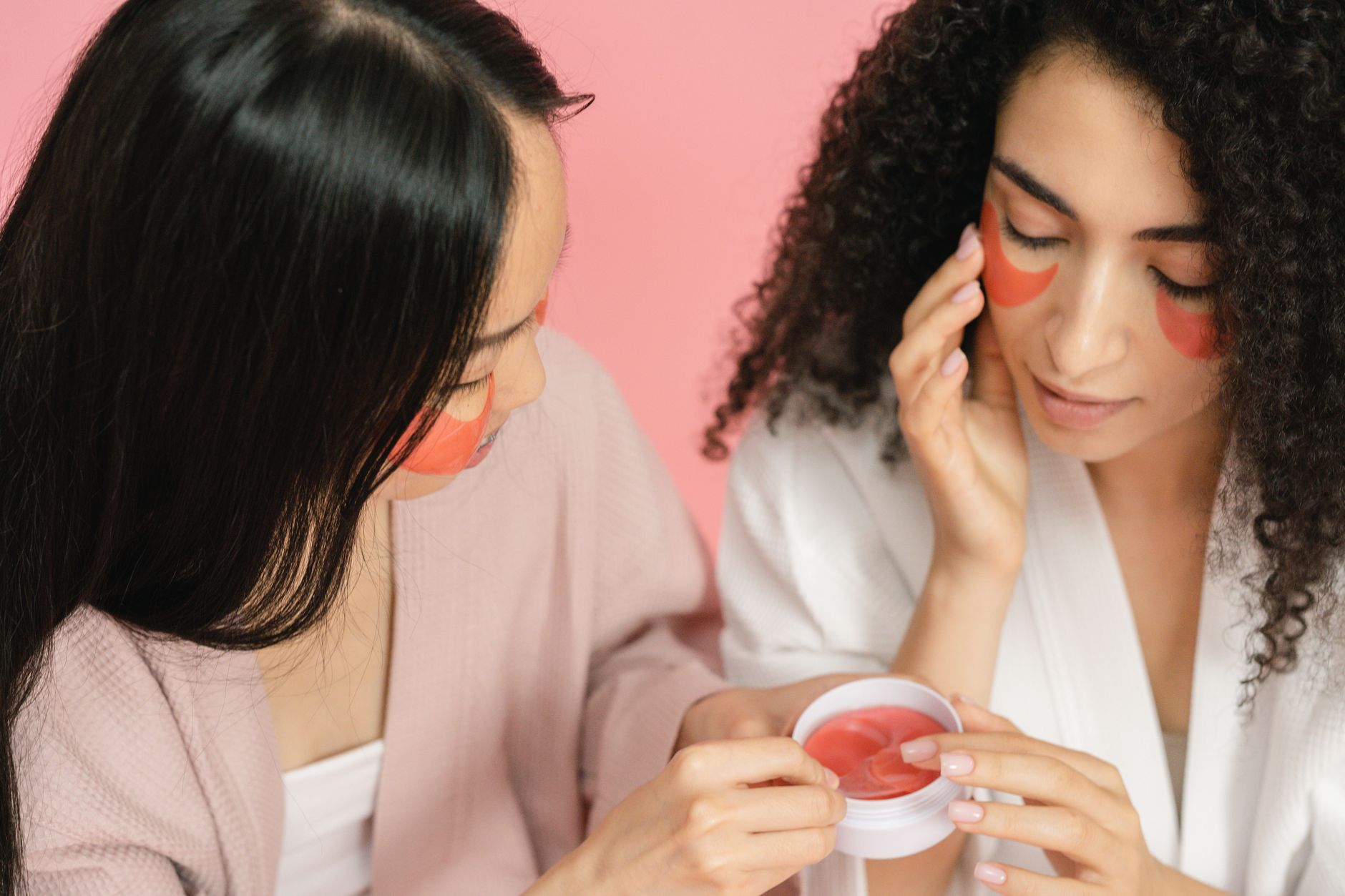
Look for fragrance-free if scent bothers you. Watch for essential oils, strong botanical blends, alcohol-heavy feel, and anything that makes the eyes sting. If you have rosacea-prone skin or eczema-prone patches, I would be extra careful with formulas that sound soothing but contain a long plant-extract parade.
Micellar water can sit beside a very plain cleanser. If your face is dry or easily tight after cleansing, the gentle cleanser guide is a useful next comparison.
How I would test
Try it on a low-stakes night. Use your normal amount of sunscreen or makeup, remove gently, then check the towel, the cotton pad, and your skin. If makeup remains, do not keep rubbing just to prove the product can do it. That is how a cleanser becomes a tiny exfoliation session.
Check again the next morning. Residue problems often show up later as clogged-looking texture, eye irritation, or a faint itchy feeling. One perfect first use is useful, but repeated use tells the truth.
I would test for a few nights without changing the rest of the routine. Do not add a new serum, new moisturizer, and new micellar water in the same week if your skin is reactive. That turns one simple test into detective work with no witnesses.
If the micellar water passes but your skin still feels tight, the issue may be what comes after. A plain moisturizer immediately after cleansing can make the same remover feel much better in context.
Skip it if
Skip a micellar water if it stings your eyes, leaves a film you dislike, requires repeated rubbing, or makes your skin feel tight after a few days. Skip it if you only like it because it feels faster, but your face is getting more irritated.
I would also skip it if the bottle encourages you to keep wiping until the pad is perfectly clean and your face is red. Clean enough and calm is better than spotless and angry.
Final take: micellar water is best for sensitive skin when it reduces friction. If it adds rubbing, residue, or mystery irritation, a plain rinse-off cleanser may be the calmer choice.
Sources
Disclaimer
This article is for educational purposes only and is not medical advice. If you have severe irritation, eczema, rosacea, acne, allergies, or a persistent skin condition, consult a dermatologist before changing your skincare routine.