
Chemical sunscreen for sensitive skin is not automatically bad, and mineral sunscreen is not automatically gentle. I wish the internet allowed that sentence to be less annoying.
Quick Answer
A practical guide to chemical sunscreens for sensitive skin, focused on clear finish, eye sting, formula checks, and when chemical SPF is worth testing.
Chemical filters can feel elegant, clear, and wearable. They can also sting eyes or bother a reactive face. The only useful answer is the one your skin can actually wear.
Quick answer

My comparison criteria are eye sting, heat or prickling, finish, fragrance, reapplication comfort, and whether the formula makes you use enough. Chemical sunscreens may be better when mineral cast makes you under-apply. They may be worse if filters migrate into your eyes.
Do not choose by category loyalty. Choose by what happens on your face after the correct amount.
Where chemical sunscreen helps
Chemical sunscreens often look clearer on deeper skin tones, layer better under makeup, and feel lighter. That can make daily use easier. Easier use matters. Sunscreen only works when it gets used generously.
If mineral sunscreens leave you chalky, dry, or unwilling to reapply, a chemical or hybrid option may be worth testing. Not because it is “better.” Because it may solve the behavior problem.
That behavior problem matters most for deeper skin tones, makeup wearers, and anyone who hates heavy textures. A sunscreen that disappears visually can make correct application feel less like a chore.
Where it can go wrong
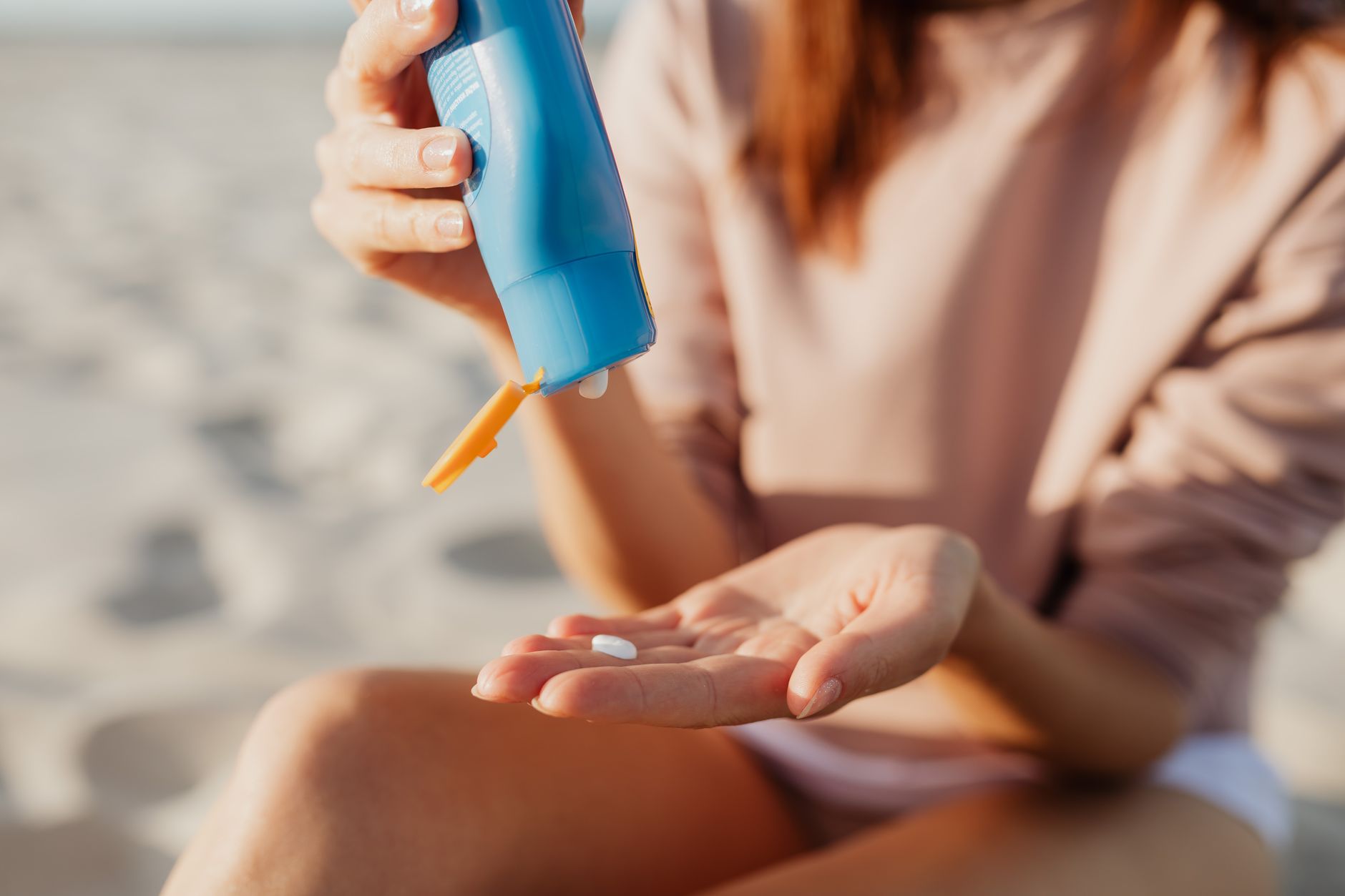
Eye sting is the big one. A formula can feel perfect on cheeks and become useless near the eyes. Fragrance, alcohol-heavy bases, and extra actives can also complicate things.
Patch test on a normal day. Not beach day. Not wedding day. Not the morning you have ten minutes and high hopes.
If the formula stings only near the eyes, you may still use it on the rest of the face and choose another product around the eye area. That sounds fussy, but it is better than rubbing your eyes all day.
Label check
Check broad-spectrum SPF, filters, fragrance, water resistance, and known triggers. If a formula includes niacinamide, vitamin C, exfoliating acids, or strong scent, treat it like a skincare product too, not just SPF.
Compare mineral options in the mineral sunscreen guide, or clear texture options in the lightweight sunscreen guide.
Field notes
Try chemical sunscreen over your usual moisturizer and again over less moisturizer. Some stinging is formula-related, but some pilling or slipping is a layer problem. If one side of the face behaves better, that tells you where to adjust.
At night, notice whether removal is easy. A chemical sunscreen that looks elegant but needs harsh cleansing may still be a poor fit for sensitive skin.
Buying warning
Buy from a retailer you trust and check expiration. Chemical filters, like all sunscreen filters, should not be treated casually. If the product smells off, looks separated, or came from a questionable listing, do not make your face the test lab.
Who should skip chemical sunscreen?
Skip a formula if it repeatedly stings your eyes, makes your face hot, or triggers a rash. Skip suspicious sellers and expired products. If you have a known allergy or medical photosensitivity issue, get individual guidance.
Skip it if you only tolerate it by using half the amount. Clear finish is not helpful if it quietly lowers protection.
A practical test
Use the chemical sunscreen on a calm skin day. Apply the real amount. Wait ten minutes. Then check three things: eye comfort, cheek heat, and whether the finish makes you touch your face. If you keep rubbing or blinking, the formula is not as wearable as it looked.
Try not to test it with new makeup or a new moisturizer. Chemical sunscreens can be blamed for pilling caused by layers underneath. One change at a time keeps the result readable.
If the formula is clear and comfortable, that is a real advantage. It can make daily SPF easier, especially when mineral cast has been the reason you under-applied. Just do not ignore irritation to preserve a clear finish.
Final take
Chemical sunscreen can be a good sensitive-skin option when it is clear, wearable, and comfortable. It can also be wrong for your eyes or triggers. The best category is the one that lets you apply enough SPF without negotiation.
This is educational, not medical advice. Persistent irritation deserves clinician guidance.
Final take: chemical sunscreen is not the enemy of sensitive skin. The wrong formula is. Choose the one your eyes, cheeks, and habits can live with.
Buying notes
If you have a history of eye sting, do not stock up after one cheek test. Wear it near the eyes on a low-stakes day first. If you have deeper skin and mineral cast has been the issue, check chemical formulas in daylight and at full amount.
For beach or exercise days, check water resistance. A beautiful daily chemical sunscreen may not be the right product for sweating, swimming, or towel drying.
If you finally find one that is clear and calm, write down the exact name. Chemical sunscreen formulas can vary more than people expect.
One more note: do not let fear of chemical filters push you into a mineral product you never wear. Sensitive skin needs protection in real life. If a chemical formula is the one you tolerate and apply properly, that matters.
Sources
Disclaimer
This article is for educational purposes only and is not medical advice. If you have severe irritation, eczema, rosacea, acne, allergies, or a persistent skin condition, consult a dermatologist before changing your skincare routine.