
Centella asiatica is one of the calming ingredients people reach for when their skin feels annoyed. I understand why. It shows up in ampoules, barrier creams, gel moisturizers, and “cica” products that promise a softer landing for reactive skin.
Quick Answer
Centella asiatica in skincare explained for sensitive skin, including when it helps, when to patch test, product texture, and how to judge the full ingredient list.
Still, centella is not a free pass. It is a plant extract, and sensitive skin can react to plant extracts just as easily as it can enjoy them. The useful question is not whether centella is famous for calming. It is whether the product built around it is actually calm.
I would treat centella as a possible support ingredient, not as proof that a product is automatically safe.

What Centella Is Used For
In skincare, centella asiatica is usually used for a soothing or barrier-supporting story. You may see related names such as madecassoside, asiaticoside, asiatic acid, or madecassic acid on ingredient lists.
Those names sound technical, but the shopping decision is practical: does the product reduce the chance of irritation, or does it pile centella into a crowded blend with fragrance and too many extras?
When I Would Try It
I would try centella when the skin is basically stable but needs something gentler than a strong active. Maybe cheeks get red easily. Maybe a moisturizer feels almost right but not quite comforting. Maybe you want a calming serum that does not exfoliate.
I would not start centella during a mystery reaction. If everything burns, simplify first. Adding a botanical calming serum while your barrier is already upset can make the experiment harder to read.
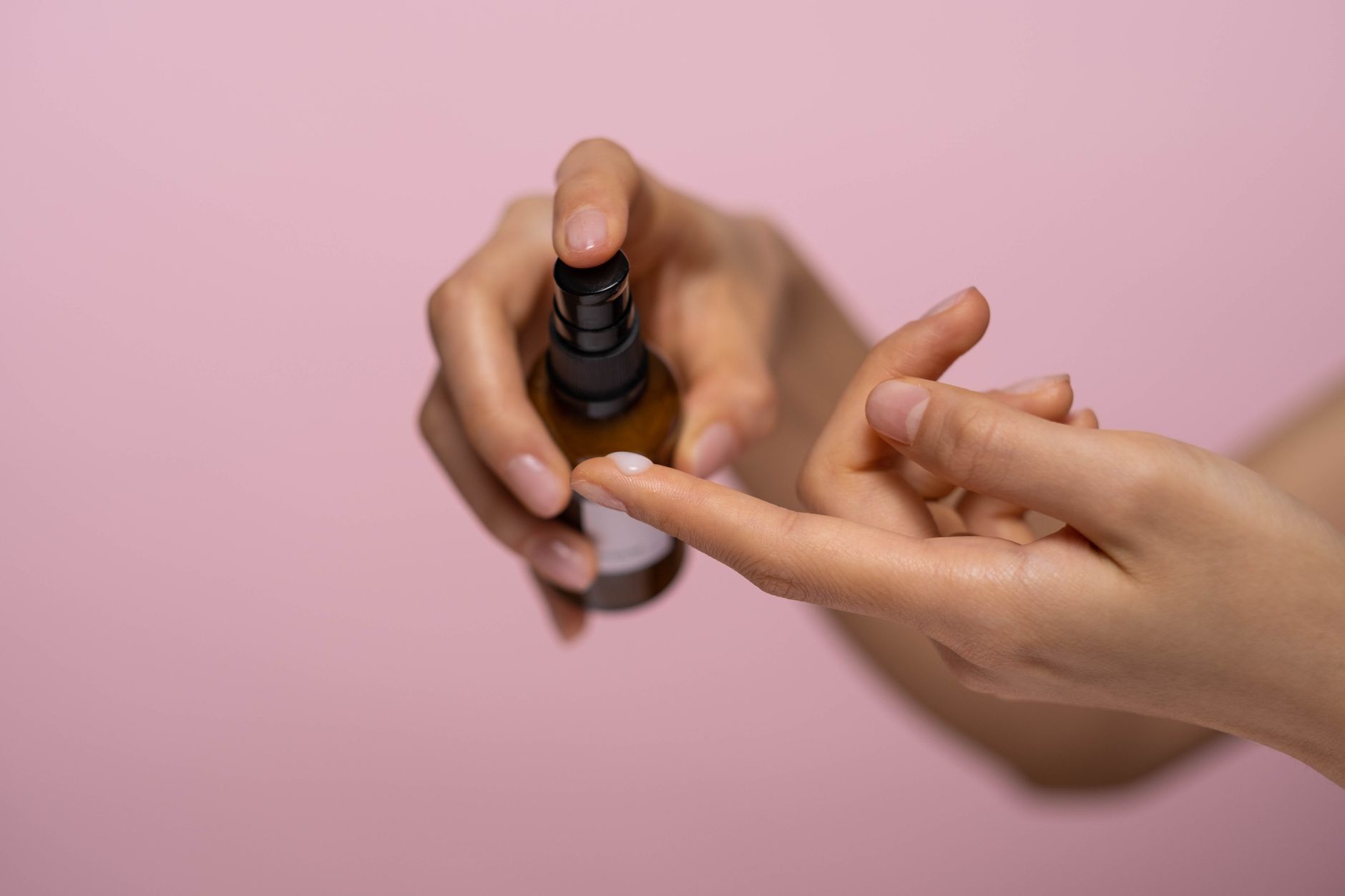
The Product Format Matters
A watery centella ampoule may be easy under moisturizer. A cica cream may be better for dry or rubbed areas. A balm may be useful on a small patch but too heavy for the whole face.
Choose by what your skin needs today, not by the ingredient trend. Oily-sensitive skin may prefer a light centella serum. Dry-sensitive skin may want a cream with centella plus glycerin, panthenol, or ceramides.
Where Centella Can Disappoint
Centella is often sold like a redness eraser. Real skin is messier. Redness from rubbing, a damaged barrier, rosacea, acne inflammation, heat, and allergy can all look similar in the mirror and need different responses.
If the redness is from over-exfoliation, a centella serum may feel nice but the bigger fix is stopping the over-exfoliation. If the redness is from a product allergy, adding another botanical product may make the story worse.
That is why I like centella best in a simple routine, not as one more calming layer on top of chaos.
What To Watch On The Label
Centella plus fragrance is not the same as centella in a plain barrier product. Centella plus exfoliating acids is not the same as centella in a calming moisturizer. Read the rest of the label before trusting the green, soothing-looking marketing.
If you need a calmer label-reading method, use the ingredient list guide.
Patch Testing Is Worth It Here
Because centella is botanical, I would patch test it if your skin reacts easily. Try a small area for several days while keeping the rest of the routine steady.
Watch for itching, rash-like redness, small bumps, or a warming feeling that does not settle. A product can be marketed as soothing and still be wrong for your face.
The patch testing guide is useful if you need a slower process.
Centella vs Panthenol
Panthenol is usually a more straightforward comfort ingredient. Centella brings the botanical soothing angle. Some products combine both, and that can be nice if the base is simple.
If plant extracts often bother you, panthenol may be the easier first test. If you already tolerate centella well, it can be a good calming add-on. For comparison, see the panthenol guide.
How To Use It Without Adding Noise
Use one centella product at a time. If it is a serum, apply before moisturizer. If it is a cream, let it be the moisturizer step. Do not add it the same week as a new acid, retinoid, cleanser, or sunscreen.
A good result is quiet: less tightness, less flushed feeling, or a product that makes your routine easier to repeat. A bad result is also useful information. Stop if the skin gets itchier, bumpier, or more reactive.
A Simple Test Routine
Morning: gentle cleanse only if needed, moisturizer, sunscreen. Night: cleanser, centella product, moisturizer if needed. Keep that boring for a week before deciding whether the product helped.
If you already use a retinoid or acid, do not introduce centella on the same night you increase that active. Keep one variable moving at a time.
Who Can Skip It
Skip centella if your current moisturizer already keeps the skin calm. Skip it if plant extracts often make you itch. Skip it if the product you are considering contains fragrance or a long list of extras you normally avoid.
Centella can be useful, but it is not a required ingredient for sensitive skin.
Bottom Line
Centella asiatica can be a helpful calming ingredient for sensitive skin, but it is not automatically gentle just because it is popular. Choose a simple product, patch test, and judge the full texture and ingredient list.
Medical note: ask a dermatologist about severe, spreading, painful, or persistent irritation, especially if you have eczema, rosacea, allergies, or a diagnosed skin condition.
Sources
Disclaimer
This article is for educational purposes only and is not medical advice. If you have severe irritation, eczema, rosacea, acne, allergies, or a persistent skin condition, consult a dermatologist before changing your skincare routine.