
Occlusive, humectant, and emollient sound like three words invented to make moisturizer shopping less friendly. I would translate them this way: humectants bring water into the top layers, emollients make rough skin feel smoother, and occlusives slow water from escaping.
Quick Answer
Occlusive vs humectant vs emollient for sensitive skin: compare hydration roles, texture, and how to test what your skin needs.
Most good moisturizers use more than one of the three. The useful question is not which category is best. The useful question is which one your skin is missing today.
Quick answer
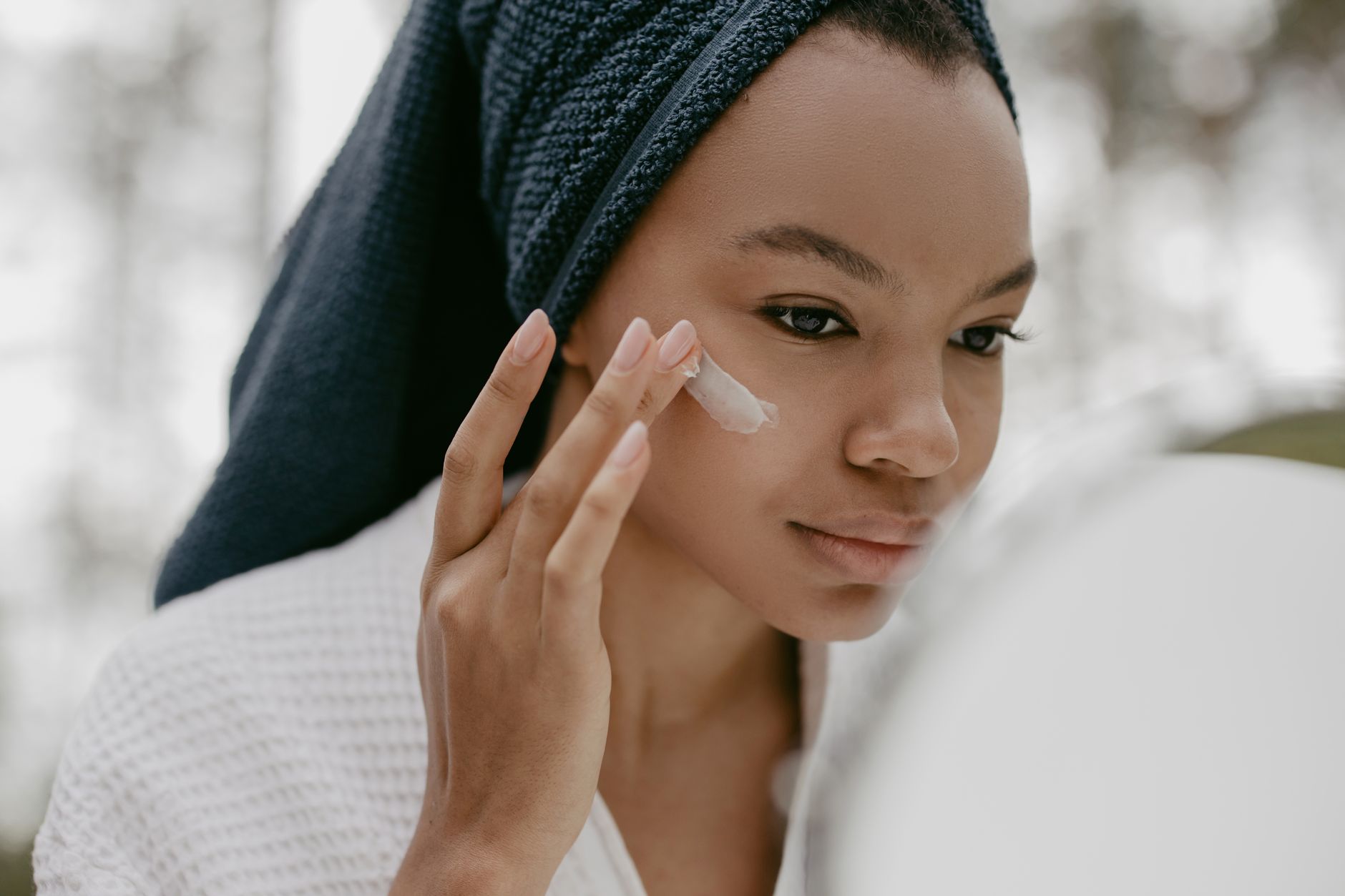
Choose a humectant-heavy product when your skin feels dehydrated, papery, or tight but not necessarily flaky. Think glycerin, hyaluronic acid, panthenol, and similar water-binding ingredients. Choose an emollient-rich product when the surface feels rough, scratchy, or uneven. Choose an occlusive when moisture disappears quickly or one area is cracked, windburned, or rubbed raw.
That sounds tidy. Real skin is not tidy. A gel serum may add water but leave your cheeks tight an hour later. A cream may smooth roughness but still let the corners of your mouth crack. A balm may seal beautifully on one patch and feel suffocating everywhere else.
My comparison criteria are simple: what problem shows up first, what texture you can tolerate, and what tradeoff you are willing to accept. Humectants can feel light but incomplete. Emollients can smooth roughness but feel rich. Occlusives can protect a damaged spot but may be too heavy for the whole face.
How to tell what you need
Here is the test I like because it is boring enough to be useful. Wash gently, apply your normal moisturizer, and wait twenty minutes. If the skin feels tight but looks mostly normal, you may need more humectant support or a moisturizer applied to damp skin. If it feels rough under your fingers, emollients may matter more. If it feels good at first and then dries out quickly, the routine may need a little more occlusion.
Do not run this test after exfoliating, shaving, sun exposure, or a long cold walk. Those situations make almost everything look guilty. Test on an ordinary day, with the rest of the routine kept still.
If you are trying to read an ingredient label, the skincare ingredient checker can help separate ingredient roles before you buy another moisturizer that sounds soothing but behaves oddly.
Label check before you buy
Read the ingredient list for the whole formula, not just the category word you hoped to find. A moisturizer can contain glycerin, oils, silicones, and waxy ingredients together. That may be excellent balance for one face and too much layering for another. Also check fragrance, essential oils, exfoliating acids, and niacinamide if those have caused trouble before.
Humectants: helpful, but not always enough
Humectants are the category people often over-trust because they sound clean and light. Hyaluronic acid especially gets treated like a hydration magic trick. It can be useful, but it still needs the rest of the formula to cooperate. A humectant serum under no moisturizer may feel nice for ten minutes and then leave sensitive skin annoyed.
Glycerin is less glamorous and often more dependable. Panthenol can be a friendly supporting ingredient. Hyaluronic acid can work well when the product texture suits you. The mistake is buying three watery hydration steps when the real problem is that nothing is sealing them in.
I would start humectant-heavy when your skin dislikes thick creams, makeup pills over richer moisturizers, or you live in a warm climate and need light layers. I would pause if every hydrating serum leaves your face sticky, shiny, or tighter after it dries.
Emollients: the rough-skin smoother
Emollients fill in the feel of the skin surface. That sentence is not elegant, but it is close to how they act in real life. When cheeks feel scratchy, flaky, or a little sandpapery, an emollient-rich cream may feel more comforting than another watery serum.
Fatty alcohols, certain oils, squalane, and shea butter can sit in this neighborhood, depending on the formula. Some sensitive skin loves them. Some acne-prone skin does not. The ingredient family matters, but texture and amount matter too. A cream that is perfect on dry cheeks can be too much on the forehead.
For barrier-focused product comparisons, use our barrier repair cream guide after you know whether your skin wants a lotion, cream, or balm feel. Texture first saves money.
Occlusives: small area, big difference
Occlusives are the category I would use with the most respect. Petrolatum, mineral oil, dimethicone, and waxy balm textures can slow water loss. That can be exactly what a cracked corner of the mouth or rubbed nose needs. It can also feel heavy if you spread it over acne-prone areas without thinking.
I do not treat occlusives as a moral debate. Some people love a petrolatum layer at night. Some people hate the feel. Sensitive skin does not need skincare purity. It needs fewer reactions and a routine you will actually repeat.
Layering without making a mess
A simple order is water-binding step, cream, then a tiny occlusive only where needed. But I would not turn that into a rule carved in stone. Many moisturizers already contain humectants, emollients, and occlusives together. Adding a serum and a balm on top may be useful, or it may just create a shiny stack of products.
Try one change at a time. Add a humectant serum under your normal moisturizer for a few days. Or add a small occlusive layer only to the driest area at night. If you change everything, you lose the plot.
Who should skip this comparison?
Skip the ingredient-category puzzle if your skin is burning, swollen, oozing, or cracking badly. That is not the moment to solve a moisturizer taxonomy. It may be time to ask a clinician. Also skip it if you are trying to patch over irritation from too many actives. More seal is not always the answer; sometimes fewer irritants is the answer.
Bottom line
Humectants help with water feel. Emollients help with roughness. Occlusives help keep moisture from leaving. The best moisturizer for sensitive skin usually combines the three in a texture your face tolerates. If your current routine almost works, do not replace everything. Add the missing role, test quietly, and let your skin give the boring evidence.
This article is educational and not medical advice. If you have persistent dermatitis, eczema, infection, severe cracking, or a worsening rash, get individual medical guidance before changing products.
Sources
Disclaimer
This article is for educational purposes only and is not medical advice. If you have severe irritation, eczema, rosacea, acne, allergies, or a persistent skin condition, consult a dermatologist before changing your skincare routine.