
Fragrance-free moisturizer is a good idea until the texture is wrong. Then it becomes a sticky, pilling, face-warming reminder that “no fragrance” is only one part of the story.
Quick Answer
A practical guide to fragrance-free moisturizers for sensitive skin, focused on texture, barrier support, sunscreen compatibility, and repeatable comfort.
I still start there for sensitive skin. I just do not stop there.
What I actually care about
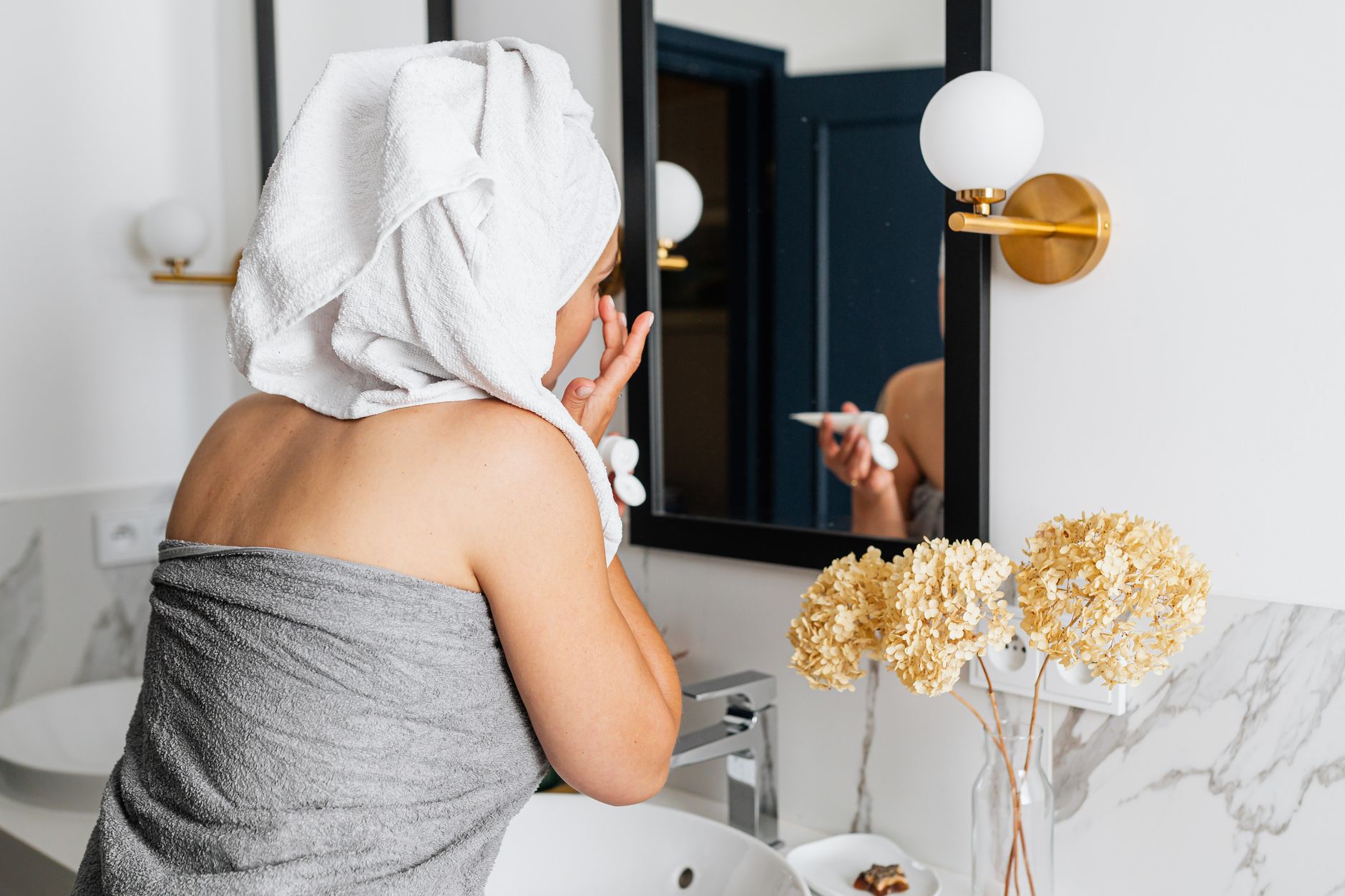
My comparison criteria are sting, texture/use case, barrier support, finish, sunscreen compatibility, and whether the skin still feels comfortable later. Immediate softness can be misleading. A moisturizer can feel lovely for five minutes and then leave the corners of the mouth tight again.
Texture comes first in real life. Light lotion under sunscreen. Richer cream at night. Gel-cream when heavy formulas make you touch your face. A moisturizer can be good and still wrong for Tuesday morning.
If you wear glasses, check where they sit. If you wear masks, check heat. If you use sunscreen, check pilling. These are not side quests. They decide whether you keep using the product.
I also check the corners of the mouth. That area often tells on a moisturizer before the cheeks do. If it stays tight there, the product may be too light or the cleanser may be too stripping.
A moisturizer should make you touch your face less, not more. Sticky, greasy, or hot textures create little habits: rubbing, blotting, checking, adjusting. For sensitive skin, those habits matter.
Ingredients without worship
Glycerin, ceramides, dimethicone, petrolatum in small amounts, squalane, panthenol, colloidal oatmeal if tolerated. Nice list. Still not a guarantee.
Niacinamide is the ingredient I would count before adding more. It hides in moisturizers, sunscreens, serums, and cleansers. Helpful for many people, prickly for some. Four niacinamide products at once can make troubleshooting silly.
Botanical extracts can be fine. They can also be too much when the skin is raw. If your face has a history of disliking plant-heavy formulas, choose the plainer tube while things are upset.
Label verification matters here too. Fragrance-free does not mean active-free. Check niacinamide, acids, retinoid-adjacent ingredients, essential oils, and long plant-extract lists if your skin is reactive.
A short ingredient list is not automatically better, but it can be easier to troubleshoot. When your face is angry, easy troubleshooting is valuable.
When it stings
Raw skin can sting even with a decent moisturizer. Repeated burning is different. Do not keep applying a product because it is supposed to be gentle. Your face gets the final vote.
Try the moisturizer on a small area first if you react often. Jawline. Behind the ear. A boring patch test is better than discovering at 7 a.m. that your whole face hates the new cream.
Some stinging is really timing. Applying moisturizer right after a harsh cleanse can make almost anything sting. If several moisturizers burn, audit cleanser and actives before buying a fifth cream.
Day cream, night cream

Day moisturizer needs to behave under SPF. A cream that makes sunscreen slide, pill, or sting is not a good daytime partner, even if it feels cozy alone.
Night moisturizer gets more room to be rich. But heavy is not always better. If a cream traps heat or makes you wake up shiny and annoyed, use less or choose something lighter.
Seasonal swaps are normal. A winter moisturizer and a summer moisturizer can both be correct. Skin is not a legal contract.
Retinoid nights are another separate use case. A moisturizer that feels too heavy every morning may be exactly right on treatment nights. Products can have jobs instead of permanent identities.
How I would test
Use it with your normal cleanser and sunscreen for several days. Do not add a serum in the same test. Watch sting, heat, pilling, dry patches, and whether the face feels easier to ignore.
If it almost works, change the amount once. Smaller layer. Or a little more on dry patches only. If neither works, move on. More of the wrong moisturizer is still wrong.
Give neutral results a few days. Barrier comfort is not always dramatic. But burning, rash, or persistent heat does not need a patience lecture.
I would also test how it behaves after a normal cleanse. Applying moisturizer to calm, unwashed skin tells you less than applying it after the cleanser you actually use every night.
If your cheeks like it and your T-zone hates it, use it only where needed. Full-face application is not mandatory. Sensitive combination skin often needs patchwork, not loyalty.
Makeup wearers should check foundation or tint on top. A moisturizer can be a great night cream and a terrible base. That is not failure; it is job placement.
Do not keep a moisturizer just because it is expensive. Your skin does not know the price. It knows heat, sting, pilling, and comfort.
Comfort wins.
Always.
Seriously.
For deeper barrier support, compare the barrier repair cream guide. For redness-prone skin, the redness-prone moisturizer guide is more specific.
Skip it if
Skip a moisturizer if it burns repeatedly, makes sunscreen harder to wear, traps heat, causes bumps, or needs a complicated stack underneath to behave. A useful fragrance-free moisturizer should make the routine simpler.
Final take: the best fragrance-free moisturizer is quiet, compatible, and easy to repeat. No scent is helpful. Comfort over hours is the real test.
For a smaller but often more reactive area, compare lip balm for sensitive lips with the same fragrance-free caution you would use on the face.
Sources
Disclaimer
This article is for educational purposes only and is not medical advice. If you have severe irritation, eczema, rosacea, acne, allergies, or a persistent skin condition, consult a dermatologist before changing your skincare routine.