
If you wake up with skin that’s unpredictable—sometimes calm, often reactive, and easily irritated—it’s not always clear where to start. Every morning, the question isn’t “What’s the best routine?” but rather, “Do I even need a routine today—and what’s the least I can do without inviting a flare?” It’s rarely a linear process, and there are mornings when even the gentlest steps go wrong. Let’s get practical about what to skip, when to go slow, and how to decide what actually matters before you step outside.
Quick Answer
Learn sensitive skin morning routine with sensitive-skin guidance, routine examples, ingredient cautions, and practical next steps.
Should You Cleanse or Just Rinse—Or Do Nothing?

Some mornings, the decision is as basic as whether to clean your face at all. If you’ve just had a flare and your skin feels sore, extra-dry, or stings as soon as water hits, you might be tempted to reach for a “gentle” cleanser anyway, hoping it will help you feel refreshed. But in reality, most cleansers—even the ones labeled as soft—can sting after a reaction. On those days, rinsing with just cool or lukewarm water can sometimes feel safer, though even that isn’t always harmless. I’ve personally skipped the sink entirely after bad nights, letting last night’s barrier cream ride until midday, just to avoid that tight, post-wash discomfort.
But there’s no foolproof script. Some mornings, even water feels like a mistake. On those days, the risk of doing nothing is usually lower than the risk of over-touching—especially if you aren’t facing dirt, sweat, or the outdoors. There’s an impulse to always “reset” in the morning, but reactive skin rarely thanks you for the effort. It’s a small correction to the classic routine: more isn’t better. Often, less is just…less risky.
When to Hold Off or Go Ultra-Slow With Sunscreen and Actives
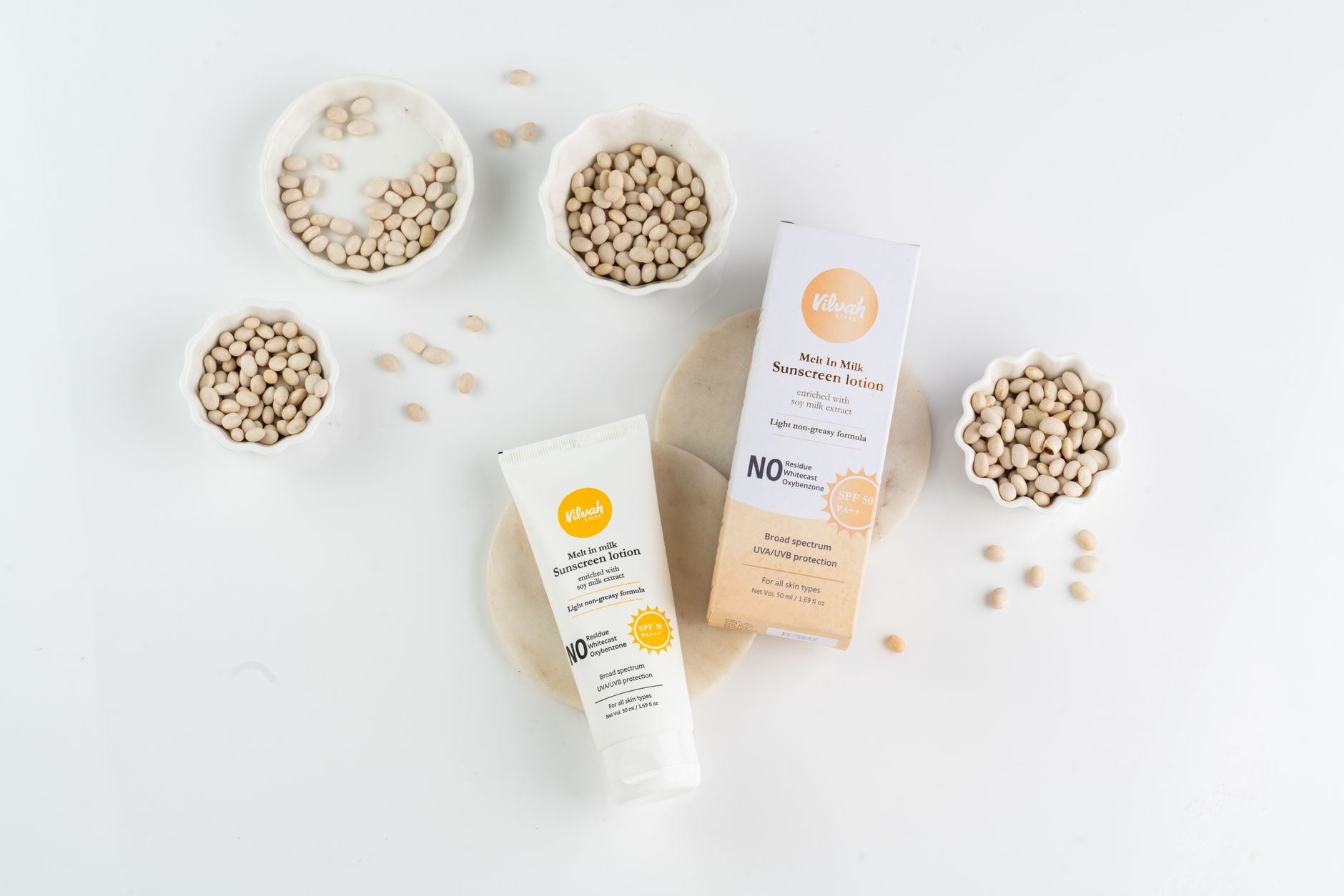
Standard skincare advice pushes sunscreen as a daily non-negotiable. That’s true for most, but right after a flare-up or on a morning when you’re visibly red and sore, even the mildest formulas can burn. If applying sunscreen has ever left your face hotter or more inflamed, it’s valid to consider alternatives—just for a day or two. On those mornings, covering up with a wide hat or sticking to shade might actually be smarter. Don’t push through the burn just to check the box; you won’t undo sun damage in a single morning, but you can make soreness worse with one misguided step.
Active products are another sticking point. Vitamin C, exfoliating acids, or anything “brightening” can feel like the backbone of a strong routine, but they make no sense during rough stretches. For myself (and many others with volatile skin), cutting back to one use every few days—or even once a week—prevents more drama than any brief radiance boost. There’s virtue in pausing, not just reducing. If your morning skin seems calm, but you’re still healing from a previous reaction, I’d delay actives entirely.
What to Do With Leftover Night Products—Remove, Moisturize, or Leave Alone?
Mornings after a heavy nighttime moisturizer or occlusive, you might notice a layer of residue. The urge to wipe it away is strong, but friction can make things worse, especially if your skin feels fragile. In my own routine, I usually let residue stay put through breakfast if I’m not leaving the house—giving my skin more time to settle. If I absolutely have to remove something sticky, I’d rather gently pat away excess with a soft cloth than scrub or double-cleanse.
Adding more moisturizer on top is another call. If your skin feels dry or stretched, a small dab of a bland, fragrance-free balm can help—but layering too much can leave you with clogged pores or a heavier feel than you want for a morning start. There’s no shame in skipping steps or letting skin breathe, especially on stay-home days.
Leaving Home Fast When Your Face Is Angry
It’s a common morning disaster: you wake up to stinging, flushed cheeks and have to be out the door in minutes. On days like this, decisions can feel urgent—but try to slow the process more than your schedule wants. Here’s the reality:
- Skip all actives and scrubs, even the “soothing” ones.
- Cover up with a hat or loose scarf if sunscreen stings, and plan your route for shade.
- If your skin hurts, resist the urge to cake on balms or makeup; sometimes letting it breathe is safer, even when redness feels embarrassing.
Sometimes, the hardest part is ignoring the voice telling you to “fix” the issue before you leave. But one missed morning won’t defeat your skin—harsh overcorrection might.
When an Overcomplicated Routine Hurts More Than It Helps
If you’ve ever found yourself layering toner, serum, moisturizer, balm, SPF, and primer some mornings (especially when your skin is calm and you’re feeling ambitious), you might notice a pattern: things go wrong, or nothing improves. Overcomplicating the process—even with “sensitive” products—can introduce new irritants, friction, or simply overwhelm skin that just wants to coast. Personally, the most reliable mornings come from sticking to one or two products, not building routines for the sake of routines. If you can’t tell whether each step is helping, it probably isn’t needed right now.
Sometimes, Your Morning Routine Just Isn’t the Priority
There’s also this: if your skin has been steady for weeks and you’re not heading out into sun, wind, or pollutants, strict morning routines may be unnecessary. Some quiet spells are best spent focusing on gentle routines at night or pinpointing your triggers for later review, rather than fussing with your face at sunrise. No need for routine for routine’s sake.
One last caveat: judging your skin’s “mood” in the morning isn’t reliable. Some days, what worked perfectly yesterday will sting today. That’s not a failure—it’s the ordinary unpredictability of sensitive skin. Staying flexible, learning when to stop, and refusing to force steps just because “experts” say so can be the best start to your day. Flawless consistency is less important than knowing when to back off.
Related reading
Sources
Disclaimer
This article is for educational purposes only and is not medical advice. If you have severe irritation, eczema, rosacea, acne, allergies, or a persistent skin condition, consult a dermatologist before changing your skincare routine.