
Sunscreen for dry skin has one job that product pages often underplay: it has to protect without making your face feel tighter by lunch. A high SPF that turns your cheeks into paper is not a daily solution.
Quick Answer
A practical guide to sunscreens for dry sensitive skin, focused on comfort, texture, moisturizer layering, removal, and avoiding tightness.
I would choose this category by comfort first, then finish. Dry sensitive skin will not keep using a sunscreen that feels like a punishment.
Quick answer
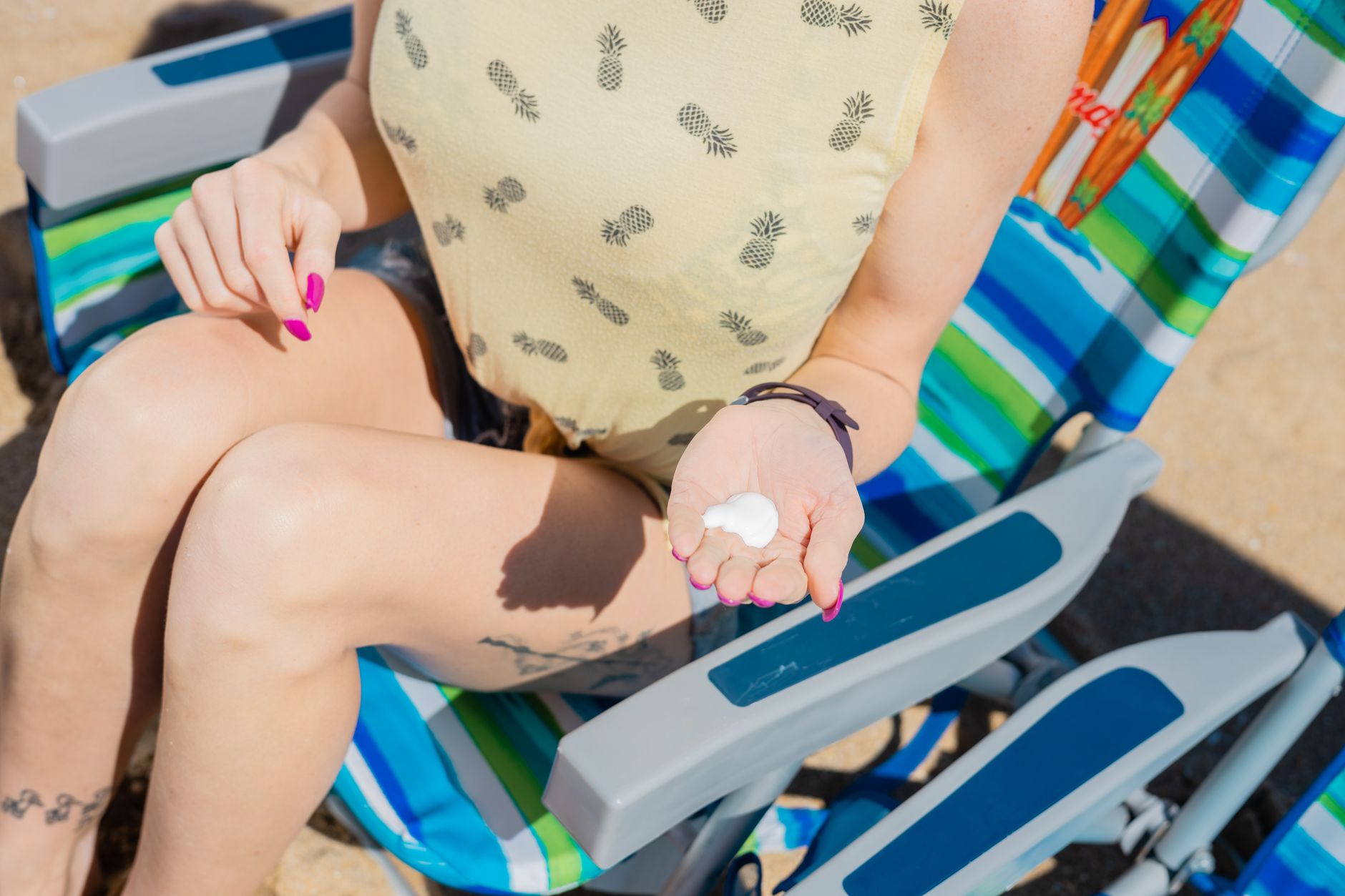
My comparison criteria are creaminess, eye sting, pilling, cast, dry-patch behavior, and how it layers over moisturizer. The tradeoff is that richer sunscreens can feel comforting but may look shiny or heavy. Lighter sunscreens can look nicer but leave dry skin tight.
If your skin is flaky, windburned, or barrier-upset, I would not start with a matte sunscreen. Matte plus dry skin can become a very small tragedy by noon.
The moisturizer test
Test the sunscreen over your normal moisturizer. Then test it with a slightly richer moisturizer if the first try feels tight. If the sunscreen only works with a better base underneath, that is useful information, not a failure.
Wait ten minutes before judging. Some sunscreens feel heavy at first and settle. Others feel fine at first and then tighten. Dry skin is dramatic in slow motion sometimes.
I would also test it on a day when the skin is not already irritated from wind, retinoids, or over-cleansing. Otherwise every sunscreen looks guilty. A boring baseline gives the formula a fair trial.
Formula check

Check for broad-spectrum SPF, fragrance, alcohol-heavy feel, sunscreen filters, niacinamide if you react to it, and richer ingredients like glycerin, silicones, oils, or emollients. A creamier formula may be helpful, but it still has to avoid your personal triggers.
Mineral sunscreens can feel protective, but some cling to flakes. Chemical sunscreens may look smoother, but some sting. Hybrid formulas can be a useful middle ground. Annoying answer. True answer.
Texture matters more than the label category. A cream sunscreen can be comforting or suffocating. A fluid sunscreen can be elegant or drying. Dry skin needs enough cushion that you do not secretly start using less.
Common mistakes
The first mistake is trying to solve dryness with sunscreen alone. If cleanser and moisturizer are too harsh or too thin, SPF cannot carry the whole routine. The second is under-applying because a rich sunscreen looks shiny. Use enough, then adjust powder or moisturizer later.
The third mistake is scrubbing too hard at night. If removing sunscreen leaves your face tight, consider a gentler cleansing plan before blaming every SPF.
For more options, compare the lightweight sunscreen guide and the barrier repair cream guide.
Field notes
If your sunscreen looks patchy, check whether your moisturizer had enough time to settle. If it catches flakes, try a gentler cleanser at night and a richer moisturizer before SPF. If it stings only on dry patches, the skin may need repair before a new sunscreen test.
For outdoor days, comfort still matters. A dry-skin sunscreen that feels nice indoors may feel heavy in heat. Test before committing it to a beach day or long walk.
Who should skip a formula?
Skip it if it highlights flakes, stings dry patches, makes you use less, or needs aggressive cleansing. Skip fragrance if your skin has reacted before. Skip a matte formula if your barrier is already asking for mercy.
Skip mystery sellers and expired tubes too. Dry sensitive skin is already giving you enough variables.
A practical test
Use the sunscreen for three ordinary mornings. On the first day, check comfort after ten minutes. On the second, check how your cheeks feel at lunch. On the third, notice removal at night. That small test tells you more than a perfect product description.
If the sunscreen feels comfortable but looks shiny, that may be manageable. If it looks pretty but makes your face tight, I would keep looking. Dry sensitive skin usually tolerates a little shine better than slow irritation.
Also notice the mouth corners and sides of the nose. Those areas complain early when a sunscreen is too drying or too hard to remove.
Final take
The best sunscreen for dry skin is the one that stays comfortable at the correct amount. Judge it after moisturizer, after ten minutes, after several hours, and after removal. If your cheeks still feel normal, that is a better sign than a glamorous finish.
This is educational, not medical advice. If dryness is severe, cracking, or persistent, ask a qualified clinician for individual guidance.
Final small rule: choose the sunscreen that lets your skin feel normal. Normal is underrated. A dry-skin SPF does not need to be glamorous if it keeps you protected and comfortable enough to repeat tomorrow.
Buying notes
Do not buy three dry-skin sunscreens at once. Pick one texture direction: creamier, more fluid, or tinted. Test it properly. If it nearly works, adjust moisturizer first. If it still feels tight, move on.
I would be careful with old tubes from last summer, especially if they lived in a hot bag or car. Dry skin already notices formula weirdness quickly. Check expiry, smell, and texture before trusting it.
If you are between two products, choose the one that feels kinder after removal. Dry skin often tells the truth at night.
One more note: dry skin can make sunscreen look worse than it is. If every formula catches flakes, pause the sunscreen shopping for a moment and fix the cleanser-moisturizer baseline. A calmer surface gives SPF a fairer chance.
Sources
Disclaimer
This article is for educational purposes only and is not medical advice. If you have severe irritation, eczema, rosacea, acne, allergies, or a persistent skin condition, consult a dermatologist before changing your skincare routine.