
You’re probably looking at a retinol tube and a niacinamide bottle, wondering if stacking them is smart—or just asking for trouble. Most advice makes it sound so simple: double up the actives and wake up radiant. But if your skin isn’t straightforward, pairing these two isn’t a “just add water” step. In fact, chasing both sometimes does more harm than good, especially for anyone tiptoeing around redness, stinging, or those random mornings when your face just looks tired of the whole experiment.
Quick Answer
Learn can you use niacinamide with retinol? with sensitive-skin guidance, routine examples, ingredient cautions, and practical next steps.
Should You Layer These Together? Where Routines Go Off Track
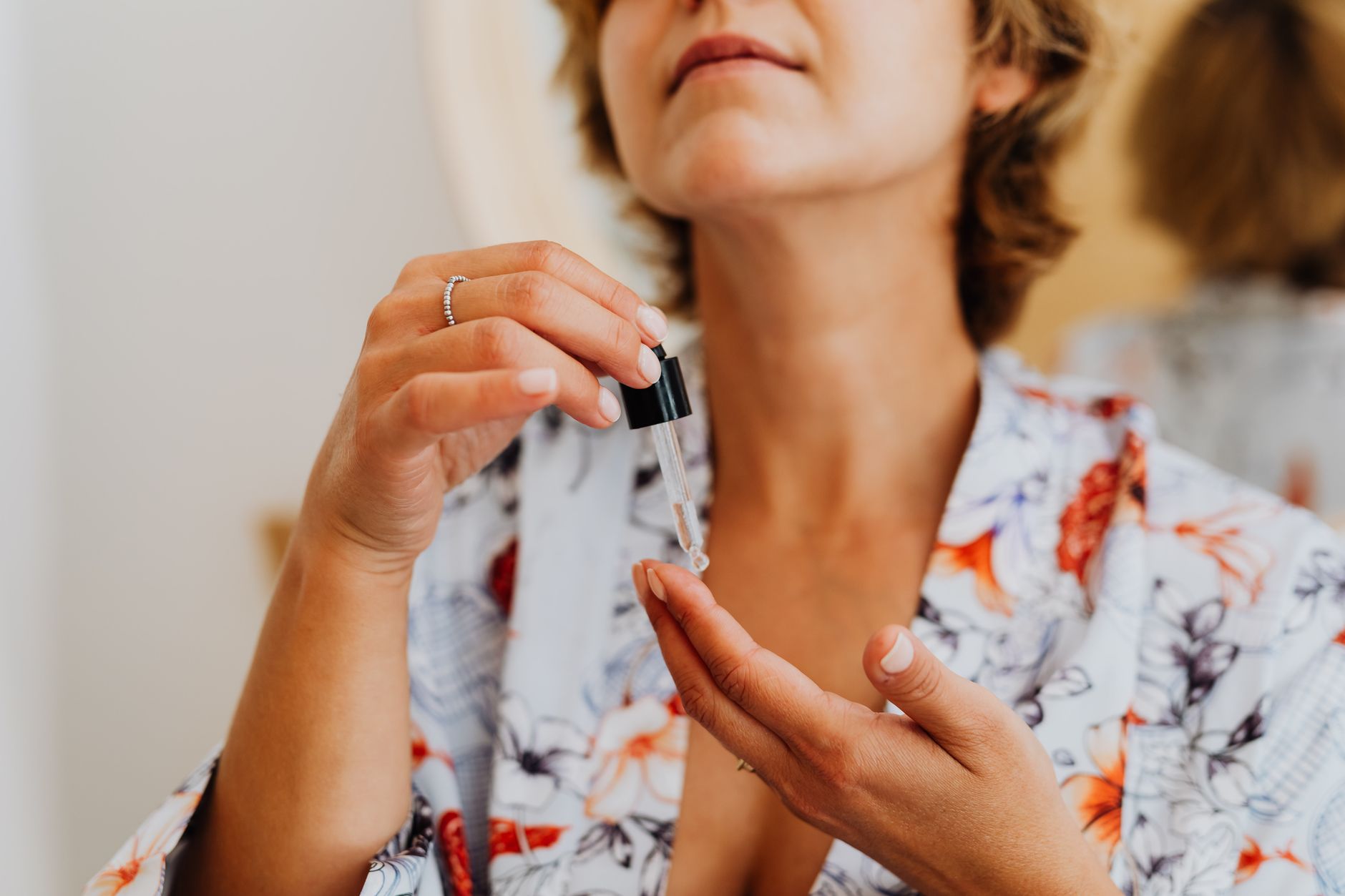
On paper, niacinamide and retinol look compatible, and you’ll hear that niacinamide “supports” the skin barrier—sometimes with the suggestion it prevents retinol irritation. That’s too tidy. In real life, separate serums can mean twice as many potential triggers: preservative, texture, fragrance, and concentration all compound the unpredictability, especially if your skin reacts to new things easily.
Maybe you’ve eyed a moisturizer that quietly adds 2–5% niacinamide at the end of a retinol night. Some people want the extra cushion, but I’d hesitate if my skin is unpredictable or I’m new to retinol altogether. Personally, whenever my face is even a little glassy or tight, I skip stacking and let it rest on fewer layers. There’s no bonus prize for seeing how much it can handle in one night.
Alternating: Who Should Actually Separate Niacinamide and Retinol?

Alternating is for anyone who ends up blotchy, flaky, or subtly uncomfortable after trying both together. Giving each active its own night might look less advanced, but it’s usually the safest move for sensitive skin—especially as you ramp up retinol. Honestly, you may see less redness and fewer dry patches just by keeping actives separate for a stretch, then reassessing.
This approach definitely matters during harsh seasons. High indoor heat, dry air, or compromised skin barrier? That’s a “skip or separate” moment. I’d especially pause niacinamide if you’ve just started retinol or your barrier is acting up. And yes—a two-in-one serum can sting just as much as two singles, so compatibility claims on a bottle aren’t a free pass to layer aggressively.
What Actually Works When You’re in the Early Phase
If you’re only just introducing retinol, this is not the time to test your skin’s multitasking limits. Here’s what I’d do as a cautious step: strip the routine to bare essentials. Cleanser, basic moisturizer, SPF in the day—skip most extras until your skin adjusts. If niacinamide is already in your favorite moisturizer and your skin loves it, fine. But avoid the urge to layer a high-dose serum on top of brand-new retinol. Reactions can take a few days to appear—don’t trust only the first 24 hours of peace.
And let’s say your experiments start to backfire—tightness, patches, or tingling. Pull things back, cut the actives, and focus on repairing, not optimizing. No one wins at skincare by maximizing steps with a compromised barrier.
Your Realistic Options: Buffer, Alternate, or Skip
For readers determined to include both, these are really your main scenarios—pick based on what’s actually happening with your face, not what a trending Instagram post claims:
- Try a moisturizer with low-strength niacinamide after retinol (never a guarantee, but gentler for some)
- Alternate: retinol alone one night, niacinamide or just moisturizer on the next
- Skip niacinamide when starting retinol, or during any stretch of unexpected dryness, stinging, or inflammation
There’s no universal “right” answer—except don’t assume that doubling up equals better skin. I’d be blunt: if what you’re doing already isn’t causing issues, no need to shake things up because it sounds more advanced. If things aren’t smooth, start eliminating steps until you find the baseline that your skin can handle. Don’t let a love of routines get in the way of comfort.
Times When This Decision Can Wait
Maybe you’re still picking a basic cleanser or you’re mid-barrier repair after a harsh patch. Or you’re trying to stabilize eczema, rosacea, or dealing with a prescription treatment; in these cases, layering or alternating actives is way down the list. The priority isn’t combining buzzwords—it’s holding the line on comfort and calm for now. You can revisit actives later, if and when things settle.
If you’re not sure what’s actually in your new “gentle” moisturizer, or you’re transitioning to a new prescription, verify the ingredient list and directions yourself before starting any active pairing. Criteria for moving forward: your skin feels settled, you know how your basics behave, and you’re not in the middle of a flare, reaction, or climate change. Skip this discussion if those boxes aren’t checked yet.
A Quick Correction for Over-Eager Layering
Don’t trust a steady week as a sign things will stay tolerated. Skin can swing from happy to grumpy with a single dry day, accidental over-cleansing, or even routine stress. When in doubt, simplify instead of seeking the perfect blend. You might see magazine routines touting synergy—sometimes, that’s just not the priority for a sensitive-skin routine. The best thing I can advise: treat “more” as a temptation, not a prescription.
Related reading
Sources
Disclaimer
This article is for educational purposes only and is not medical advice. If you have severe irritation, eczema, rosacea, acne, allergies, or a persistent skin condition, consult a dermatologist before changing your skincare routine.