
Your face flushes when you wash it. Moisturizers meant to “calm” the skin leave new red patches behind. If you’re reading this, the usual advice hasn’t helped—you can’t just “add the right soothing serum” and move on. The real question is how little you can get away with before your skin singles out even the mildest thing for a reaction. If two products are on your sink and you’re nervous about both, you won’t need a longer checklist. Sometimes, dropping almost everything is the bluntest move, even though it feels like doing nothing at all.
Quick Answer
Learn beginner routine for redness-prone skin with sensitive-skin guidance, routine examples, ingredient cautions, and practical next steps.
Forget Full Routines—What If You Just Stopped?
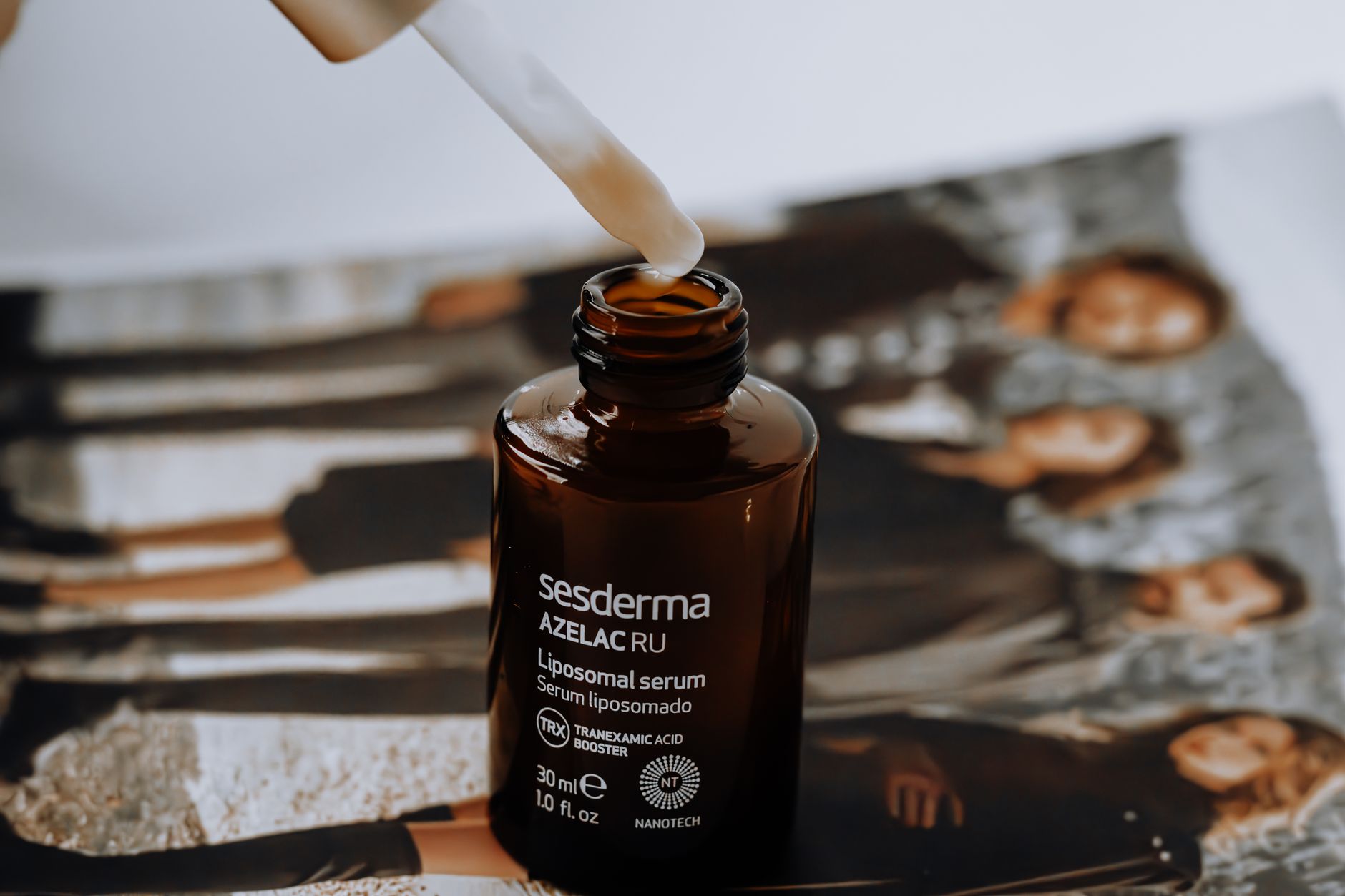
If you’re in a stretch where everything burns—even “for sensitive skin”—this is where many readers overthink. My plain advice: pull back, not forward. Set aside “repair” creams or layering steps. Try two basics, tops—a cleanser (barely once a day, or not at all, but more below), and a plain, fragrance-free moisturizer. Skip everything else. I usually recommend going at least a week with nothing extra. If it hurts, stop. If your redness doesn’t improve, you still learn something: it probably wasn’t your last serum making things worse.
You won’t get a pretty “journey” by simplifying this much. It may just feel like an empty routine. That’s normal—doing less tells you what stokes your skin rather than adding confusion. And shelving products for a while gives you a real baseline, not a moving target. Full routines, honestly, aren’t built for you if every bottle tests your limits.
Cleansing: You Can Skip Mornings Entirely

Do you really need to cleanse every day? No. If your face feels tight or warm after a so-called gentle cleanser, just stop for now. Rinse with cool water when necessary or do nothing. Seriously. There’s no bonus point for washing if you don’t use products overnight and wake up with clean-feeling skin.
But if sunscreen, makeup, or thick moisturizer build up, the only time a cleanser makes sense is after those—not on some preset schedule. Go for a milky, non-foaming cleanser just once when actually needed. Then pause. Flaking, burning, or itchiness sometimes means too much washing, not too little. If your skin looks less red on days you skip cleanser, that’s all the information you need.
About Makeup: Removal Is the Harsher Step
Lots of people with redness get stuck hiding it with foundation or green-tinted concealers. I won’t knock the impulse, but in my view, getting the stuff off is where trouble starts. Makeup wipes? Almost always too rough. Double cleansing? Not worth a new flare if you’re barely wearing product.
One quick point: if you must remove makeup, a soft cloth and plain lukewarm water is enough for thin layers. Heavy foundation? Use the blandest, least foamy cleanser once. No scrubbing. Some experts insist on never sleeping in makeup, but for redness-prone skin, the friction of over-removing can hurt more than leaving a trace behind on a hard day. There are worse things than going to bed with a smudge (colleague warning: don’t admit this to perfectionist friends—they’ll try to talk you out of it).
Exfoliation: Nearly Always Too Much
The urge to “reveal healthy skin” with exfoliating gels or mild acids pops up all over skincare advice. Here’s my practical take: Don’t do it—not weekly, not bi-weekly, not by accident with a “polishing” toner. The risk is unpredictable. If flakes or patchy redness begin after adding any new mask or acid, treat this as a fail point. Pause everything exfoliating for at least two weeks. No granules, no chemical peels, nothing with “radiance” as its label focus.
Sometimes a supposedly “gentle” acid will sting twice as much as an ordinary one. I almost never suggest exfoliation as a must unless you’re managing stubborn, non-redness skin concerns—and even then, I flinch. Editorially: skip this step for now and see what happens. (Really, nearly everyone does it too often.)
If Redness Is Secondary, Not Serious
If redness waits for spicy dinner, dry winter, or a long shower, don’t force yourself into radical routine changes. This isn’t your core issue. Let it pass. Some readers want a new skincare adventure for every mild flush. Most of the time, you only add frustration and clutter. When a flush fades on its own, that’s a non-problem.
The fastest test: Are you waking up visibly red, or do you just flush in heat? Don’t design a routine for a problem that barely registers. Make no change and save your energy for bigger skin worries.
The “Soothing” Label Isn’t Enough (and I’m Skeptical)
Products screaming “soothing” on their box rarely follow through. The word’s lost meaning for me as an editor. If you try a new bottle and things sting or get angrier, that’s proof enough—no label is a guarantee. Time matters more than clever marketing.
- Too overwhelmed? Go down to nothing, even if you feel you “should” have a routine.
- There’s no rule that says cleanser or moisturizer must be used daily for redness. The right routine for you is the one that doesn’t make it worse.
- If most days are fine and the redness is just fleeting, don’t let product ads tell you to panic and buy more bottles.
Pausing, skipping, and waiting can be an actual strategy here. There are times when walking away from new routines is progress. If anything burns, leave it—and toss out any advice that says “consistency is king” when your face says otherwise.
Related reading
Sources
Disclaimer
This article is for educational purposes only and is not medical advice. If you have severe irritation, eczema, rosacea, acne, allergies, or a persistent skin condition, consult a dermatologist before changing your skincare routine.