
“Unscented” is one of those labels that feels reassuring until you learn it may not mean what you thought. Rude little skincare detail. Fragrance-free is usually clearer. Unscented can still deserve a raised eyebrow.
Quick Answer
A practical guide to unscented vs fragrance-free labels for sensitive skin, focused on label reading, scent triggers, and product testing.
I do not think everyone needs to fear every scent. I do think sensitive skin needs labels that say what they mean.
The plain-language version

Fragrance-free usually means no added fragrance. Unscented usually means the product is not supposed to smell scented. Sometimes that is because no fragrance was added. Sometimes masking fragrance is doing quiet work in the background.
My comparison criteria are label wording, ingredient list, leave-on versus rinse-off use, texture/use case, skin area, and your own reaction history. If your neck gets itchy every time you use scented lotion, your neck is giving you better evidence than the front of a bottle.
Words I look for: fragrance, parfum, aroma, essential oils, limonene, linalool, citronellol, eugenol. Not panic words. Clue words.
Where this matters most
Leave-on products get stricter rules from me. Moisturizer. Sunscreen. Body lotion. Lip balm. Eye cream. Anything that sits there for hours.
Rinse-off products get a little more room, but not unlimited room. A scented cleanser can still bother your face while you wash. A scented body wash plus hot water plus rough towel can still leave skin itchy.
Texture/use case changes the risk too. A thick unscented cream under clothes is different from a quick rinse-off gel. A lip balm gets tasted and reapplied. A sunscreen covers a lot of skin. Same label question, different stakes.
Natural does not get a free pass
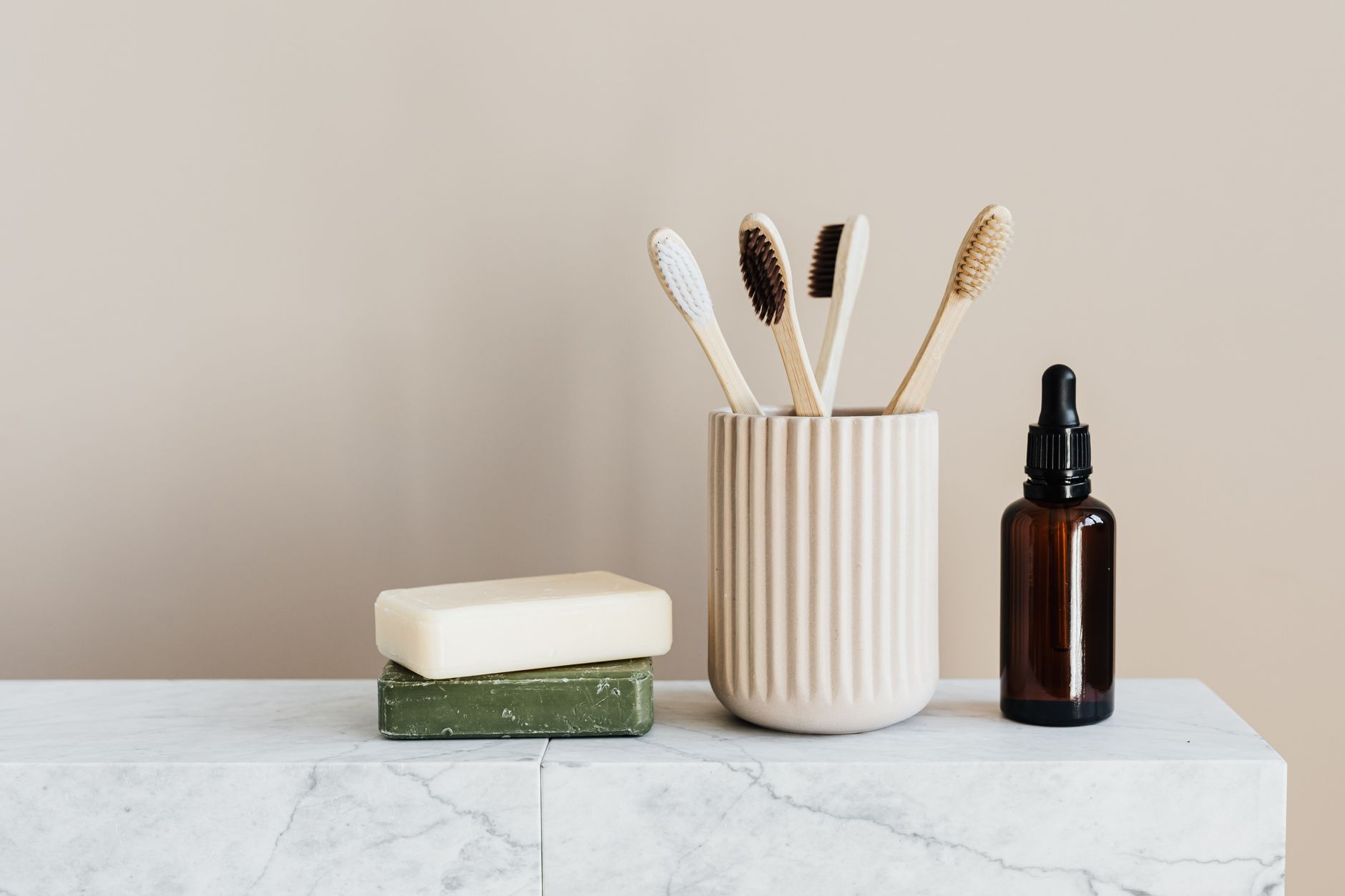
Lavender, citrus, peppermint, eucalyptus. Beautiful smells. Also possible irritants. Sensitive skin does not care if the scent came from a plant with nice lighting.
This is where “clean” or “botanical” marketing can get fuzzy. A product may sound gentle and still contain scent components. The ingredient list is less charming, but more useful.
How I would test it
Change one product at a time. I know that is boring. It is also the only way to learn anything.
If the product is a body lotion, test on body skin. If it is a face cream, test near the jaw. If it is lip balm, be cautious near the mouth. A hand swatch is not useless, but it may miss the area that actually reacts.
Give it a few days unless it burns or clearly irritates. Scent-related irritation is not always instant fireworks. Sometimes it is a slow itch, a rough patch, or that “why is my neck annoyed again” feeling.
The ingredient checker can help slow down label reading when the list turns into alphabet soup.
My shopping rule
If fragrance is a known trigger, choose fragrance-free first. If something only says unscented, turn it around and read. If your skin is calm and you have no fragrance history, unscented may be fine.
During a flare, I get stricter. Angry skin gets fewer mysteries. Calm skin can experiment later.
Household products count too. Laundry detergent, hand soap, body wash, lotion. If irritation is happening in several places, do not only interrogate the face serum.
For category examples, compare the fragrance-free moisturizer guide and the fragrance-free cleanser guide.
Field notes
The place I see this get confusing is body lotion. Someone buys an unscented lotion, the skin still itches under clothes, and the front label looks innocent. The back label may tell a different story. Or the lotion may be fragrance-free and still wrong for another reason. Both are possible.
Lip products are another sneaky category. A tiny amount of flavor or scent can be enough to make you lick your lips more. Then the lips get drier, and the balm gets blamed or reapplied over and over. Sometimes the flavor is the loop.
Eye-area products deserve the strictest reading. Eyelid skin is dramatic, and it has earned that reputation. If fragrance has ever caused trouble near your eyes, do not test a vague unscented eye cream on a busy morning.
There is also the “I cannot smell it, so it is fine” trap. Your nose is not the same as your skin. A product can smell like nothing and still contain ingredients used to affect scent.
For a practical test, choose one product category first. Maybe body lotion. Maybe cleanser. Remove the scented or unclear product and replace it with a clearer fragrance-free option. Then wait. Do not change everything else at the same time.
If nothing changes, fragrance may not be the issue. Useful result. If the skin calms down, also useful. Either way, you learned something without turning the whole routine upside down.
Skip it if
Skip an unscented product if the ingredient list still has scent-related clues and your skin has a fragrance problem. Skip a fragrance-free product too if it burns. Fragrance is one trigger, not the only trigger.
Skip the product if the wording makes you feel like you need a lawyer and your skin is already irritated. Pick the clearer label. Peace is allowed.
Final take: fragrance-free is usually the clearer label for sensitive skin. Unscented can be fine, but it needs the back-of-bottle check before trust.
Sources
Disclaimer
This article is for educational purposes only and is not medical advice. If you have severe irritation, eczema, rosacea, acne, allergies, or a persistent skin condition, consult a dermatologist before changing your skincare routine.