
Learn best sunscreens for dry skin with formulas, examples, and practical steps.
Quick Answer
Learn best sunscreens for dry skin with formulas, examples, and practical steps you can apply immediately. Free guide with formulas, examples, and...
Finding a sunscreen that protects dry skin from UV damage while providing hydration can be quite a challenge. It’s important to choose the right product, as many sunscreens can actually worsen dryness. In this article, we’ll discuss the best sunscreens specifically designed for dry skin, ensuring they effectively hydrate while also offering solid UV protection.
Why Selecting the Right Sunscreen is Crucial for Dry Skin
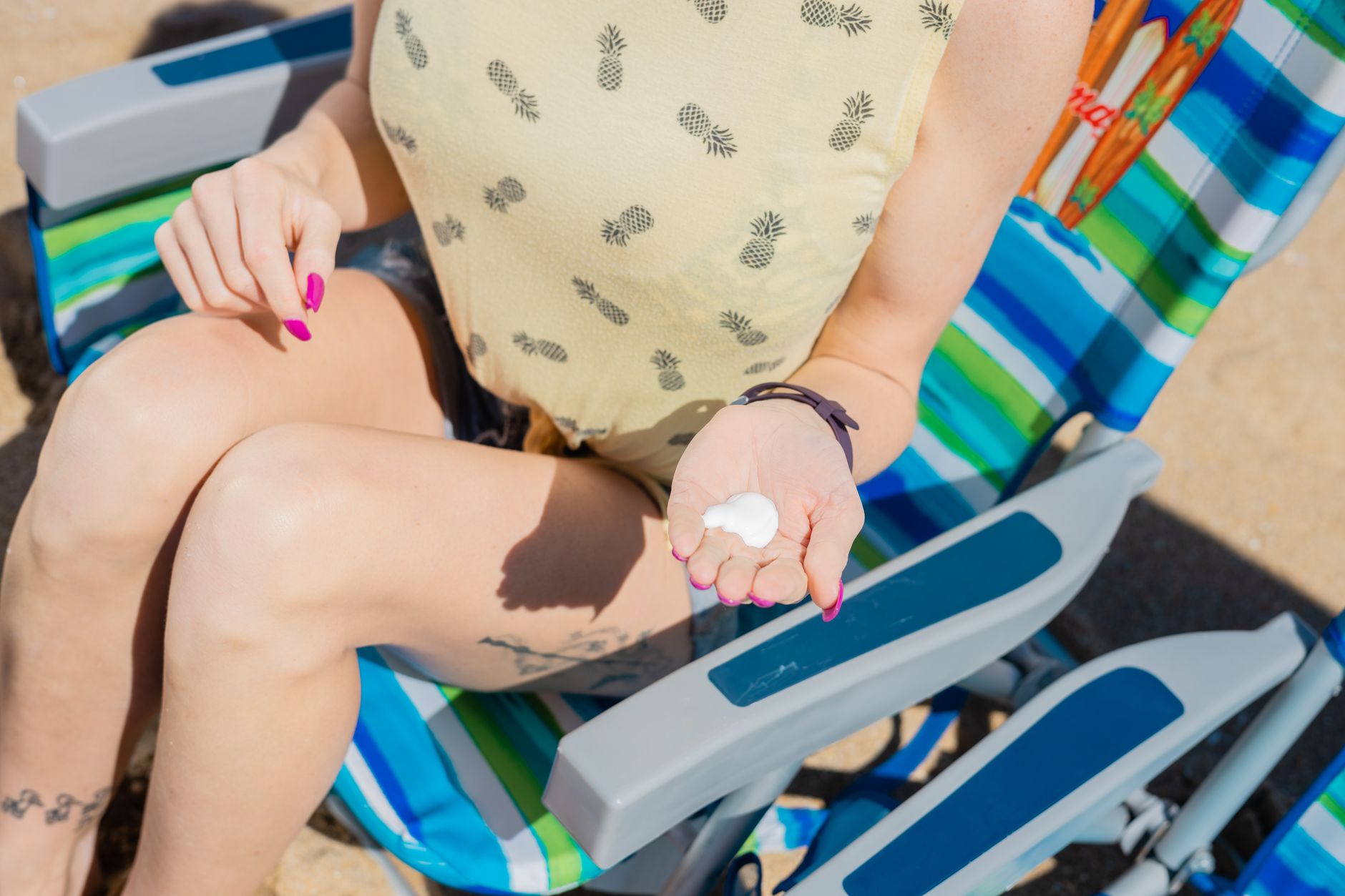
Understanding How UV Rays Affect Dry Skin
UV rays can have a particularly harmful impact on dry skin, leading to increased moisture loss and worsening existing dryness. Extended sun exposure can cause the skin to become flaky, irritated, and more susceptible to conditions like eczema. Protecting dry skin from UV damage is vital for maintaining its integrity and moisture balance.
The Significance of Hydration and Protection
A sunscreen that offers hydration can help restore moisture levels while guarding against harmful UV rays. The right formula can strengthen the skin barrier, reducing transepidermal water loss and keeping your skin looking healthy and hydrated. This is especially important for individuals with dry skin, as they may already struggle with moisture retention.
Key Ingredients to Seek in Sunscreens

Essential Hydrating Components
- Hyaluronic Acid: This powerful humectant attracts moisture to the skin, helping it stay plump and hydrated.
- Glycerin: Another effective humectant that draws moisture, making it ideal for dry skin.
- Ceramides: These lipids help restore and maintain the skin barrier, preventing moisture loss.
- Niacinamide: A form of vitamin B3 that boosts skin hydration and enhances the skin’s barrier function.
- Dimethicone: A silicone that smooths application and helps retain moisture.
Beneficial Oils and Extracts
- Shea Butter: A rich emollient that nourishes and calms the skin, providing lasting hydration.
- Jojoba Oil: A natural oil that mimics skin sebum, effective for moisturizing without clogging pores.
Top Sunscreen Recommendations for Dry Skin
Best Options for Everyday Use
| Name | SPF | Key Ingredient | Texture | Rating |
|---|---|---|---|---|
| Neutrogena Hydro Boost Water Gel Lotion | 30 | Hyaluronic Acid | Gel | 4.5/5 |
| La Roche-Posay Anthelios Melt-in Milk Sunscreen | 60 | Glycerin | Milk | 4.8/5 |
| CeraVe Hydrating Sunscreen | 30 | Ceramides | Cream | 4.7/5 |
| Supergoop! Glowscreen | 40 | Niacinamide | Liquid | 4.6/5 |
| Colorescience Sunforgettable Total Protection Brush-On Shield | 50 | Zinc Oxide | Powder | 4.5/5 |
Best for Sensitive Skin Types
For individuals with dry and sensitive skin, mineral-based sunscreens are often the best choice, as they are less likely to cause irritation. Top picks include Blue Lizard Sensitive Mineral Sunscreen and Thinksport SPF 50+, both of which contain titanium dioxide and zinc oxide, along with hydrating ingredients to maximize moisture retention.
Optimal Formulations for Daily Use
Daily formulations should be lightweight yet effective, blending moisturizers with sun protection. The EltaMD UV Clear Broad-Spectrum SPF 46 not only offers protection but also contains niacinamide and hyaluronic acid, making it an excellent choice for everyday wear.
Comparison of Sunscreens for Dry Skin
To help you choose the best sunscreen for your dry skin, here’s a comparison table that highlights key features of the recommended products:
| Name | SPF | Key Ingredient | Texture | Best For |
|---|---|---|---|---|
| Neutrogena Hydro Boost Water Gel Lotion | 30 | Hyaluronic Acid | Gel | Daily hydration |
| La Roche-Posay Anthelios Melt-in Milk Sunscreen | 60 | Glycerin | Milk | High UV protection |
| CeraVe Hydrating Sunscreen | 30 | Ceramides | Cream | Barrier repair |
| Supergoop! Glowscreen | 40 | Niacinamide | Liquid | Illuminating finish |
| Colorescience Sunforgettable Total Protection Brush-On Shield | 50 | Zinc Oxide | Powder | Convenient application |
Helpful Tips for Choosing and Applying Sunscreen
Picking the Right Texture
Sunscreens are available in a variety of forms—lotions, creams, gels, and sprays. For dry skin, it’s best to select cream or lotion-based sunscreens, as they usually include additional moisturizers and provide more hydration than their lighter counterparts. Look for non-greasy options to avoid feeling weighed down.
Effective Application Techniques
- Always apply sunscreen on clean, dry skin before using makeup or moisturizer.
- Use approximately a nickel-sized amount for your face and a shot glass full for your body.
- Apply 15 to 30 minutes before sun exposure to allow for optimal absorption.
- Reapply every two hours, or immediately after swimming or sweating.
Creating a Skincare Routine
Incorporating sunscreen into your daily skincare routine is essential, especially for dry skin. Here’s a simple routine to follow:
- Cleanse your face with a gentle cleanser.
- Apply a hydrating toner or essence to prep your skin.
- Use a hydrating serum containing hyaluronic acid or glycerin.
- Moisturize with a cream that suits your skin type.
- Finish with a broad-spectrum sunscreen.
Common Mistakes to Avoid
- Skipping Sunscreen on Cloudy Days: UV rays can penetrate clouds, so it’s important to wear sunscreen even when the sky is overcast.
- Not Using Enough Product: Many people do not apply enough sunscreen. Ensure you use the recommended amount for effective protection.
- Neglecting Other Areas: Don’t forget to apply sunscreen on often-overlooked areas like the ears, neck, and back of the hands.
- Assuming Makeup with SPF is Enough: While makeup with SPF can provide some protection, it should not replace your regular sunscreen application.
- Using Expired Products: Always check the expiration date on your sunscreen. Expired products may not provide effective protection.
Common Questions
Can individuals with dry skin use sunscreen?
Absolutely! Sunscreen is essential for everyone, including those with dry skin. It offers protection against UV rays, and many formulations can also provide hydration.
What type of formula is best for dry, sensitive skin?
Look for mineral sunscreens with an SPF of 30 or higher that include moisturizing ingredients like glycerin and ceramides. These formulations are less likely to irritate sensitive skin.
How often should I reapply sunscreen on dry skin?
You should reapply sunscreen every two hours or more frequently if you are swimming or sweating. This ensures continuous protection from UV rays.
Are mineral sunscreens more suitable for dry skin?
Mineral sunscreens often contain fewer irritants, making them a great option for sensitive skin types, including those with dry skin. They provide a physical barrier against UV rays, which can be gentler on the skin.
Conclusion
Selecting the right sunscreen for dry skin is essential for maintaining hydration while protecting against harmful UV rays. Look for products that include hydrating ingredients, such as hyaluronic acid and glycerin, and remember to apply generously, reapplying as needed. By choosing the appropriate formulation and following effective application techniques, you can protect your skin from dryness and damage. For additional tips, check out our articles on How to Maintain Moisturized Skin and Skincare Routines for Dry Skin.
Explore more free tools and guides on IT Easy Tool.
Understanding best sunscreens for dry skin in practice helps you apply the steps above with more confidence and fewer mistakes.
Sources
Disclaimer
This article is for educational purposes only and is not medical advice. If you have severe irritation, eczema, rosacea, acne, allergies, or a persistent skin condition, consult a dermatologist before changing your skincare routine.