
Affiliate disclosure: This page may contain affiliate links. If you buy through them, we may earn a commission at no extra cost to you.
Quick Answer
A small French pharmacy skincare basket for sensitive skin without overbuilding the routine.
French pharmacy skincare has a tiny problem: it looks so sensible that it can make you stop thinking. White tube, blue logo, dermatologist mood, maybe some thermal water. Suddenly the product feels trustworthy before you have asked what it is supposed to do.
That is how people end up with a micellar water, a mist, a serum, a balm, a moisturizer, and a sunscreen when they only needed help removing mascara without making their eyelids angry.
So this is not a tour of every famous French pharmacy product. It is a smaller guide: what I would actually use each type of product for, where the category is useful, and where the reputation gets ahead of the routine.
The small basket
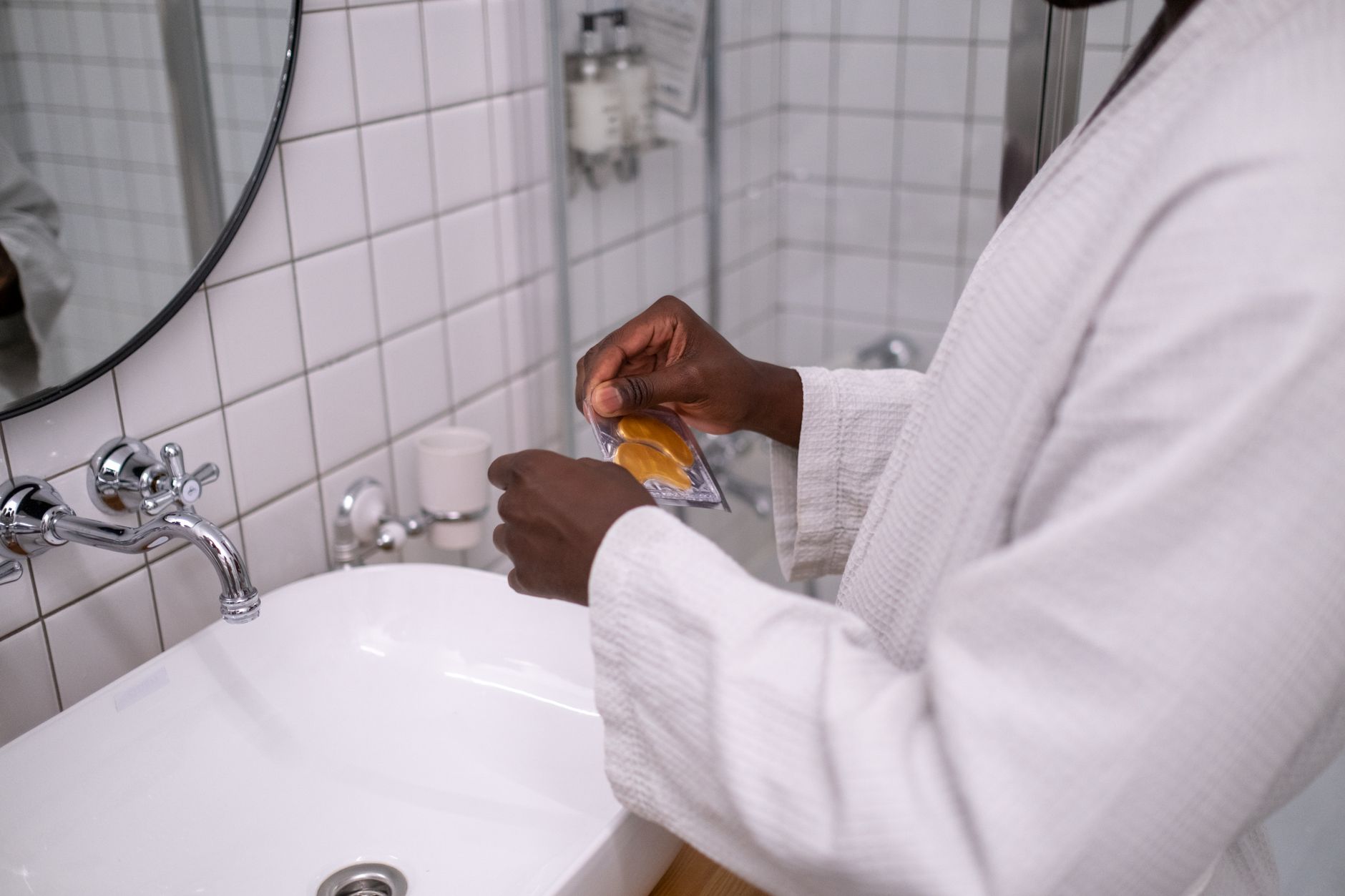
If I were starting with sensitive skin, the basket would stay modest:
- Bioderma Sensibio H2O when removal is the irritating step.
- La Roche-Posay Toleriane Double Repair when you need a daily face cream.
- Cicaplast Balm B5 or Avene Cicalfate+ when one patch is rubbed, flaky, or over-treated.
- A separate sunscreen decision, because SPF comfort is too personal to bundle into the brand story.
Notice what is missing: no automatic mist, no full matching routine, no “while I am here” serum. Sensitive skin usually pays for those little extras later.
Micellar water is useful when rubbing is the problem
Bioderma Sensibio H2O is the product I understand most clearly in this category. Its job is not to transform your skin. Its job is to help remove makeup or sunscreen with less rubbing.
That makes sense around eyes, around the nose, or on nights when a normal cleanser makes you work too hard. Still, I do not treat micellar water as sacred leave-on water. If your skin feels film-y, itchy, or oddly coated, rinse. The internet can survive that.
My small test: use it on one side of the face for makeup removal, then follow your usual gentle cleanser. If that side is less red by bedtime, you learned something useful.
The daily cream should not become a personality
La Roche-Posay Toleriane Double Repair is a reasonable daily moisturizer to compare because the formula story is straightforward: ceramide-3, glycerin, niacinamide, and prebiotic thermal water, according to the brand.
Here is the catch I would not skip: niacinamide. Plenty of people love it. Some reactive faces do not. If niacinamide has made your skin warm or prickly before, this cream deserves a patch test, not blind trust because the tube looks clinical.
Texture matters too. A cream can be “for sensitive skin” and still feel wrong under your sunscreen. That is not betrayal. That is just your morning routine telling the truth.
Patch products are not whole-face products by default
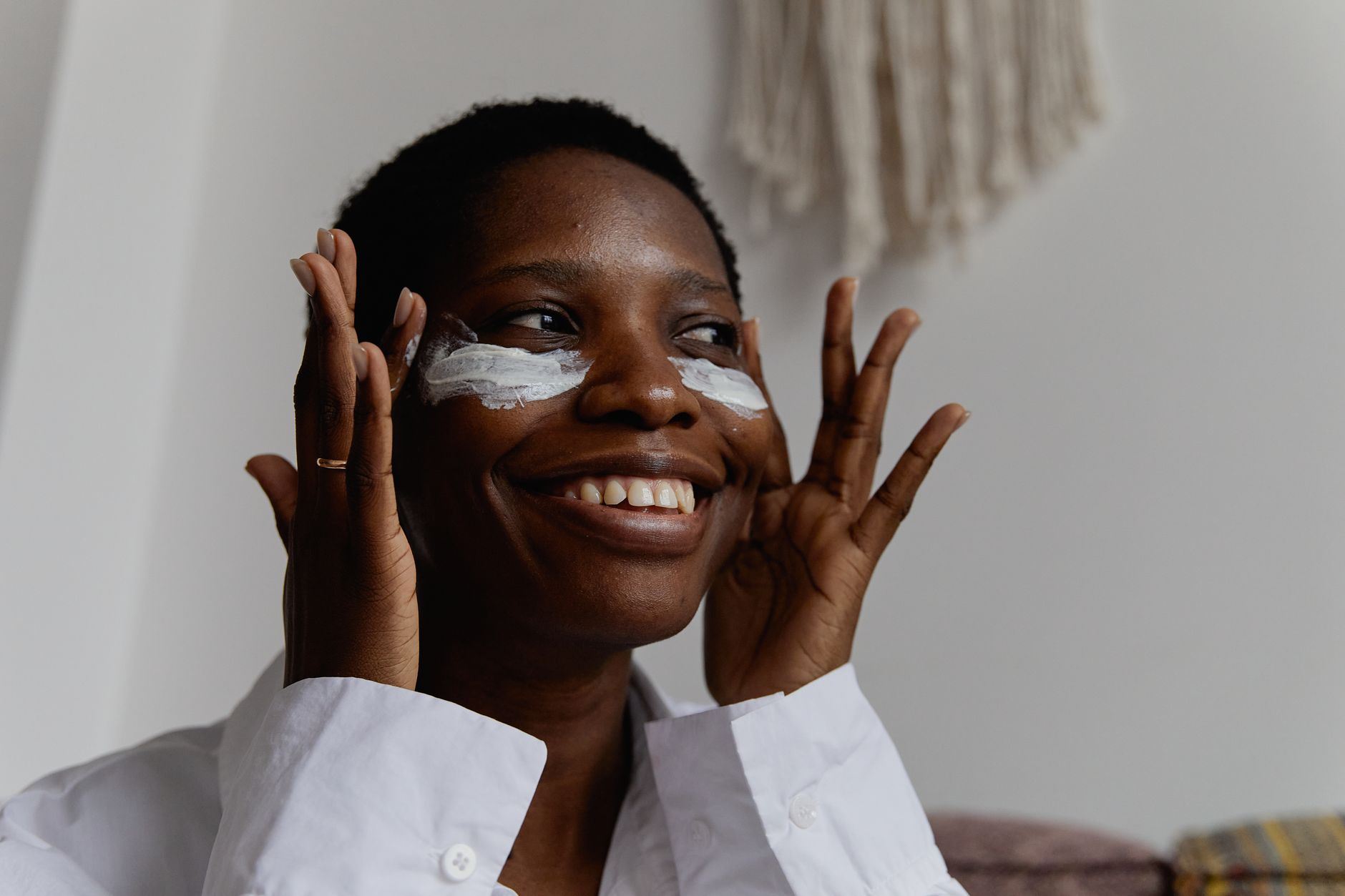
Cicaplast Balm B5 and Avene Cicalfate+ belong in the “something is annoyed right there” category. Mouth corner. Nose crease. One over-exfoliated cheek. The spot that got angry after a windy walk.
Using that kind of balm all over the face can be fine for some dry skin, but I would not make it the first move for acne-prone skin. Heavy comfort in one place can become congestion in another. Location matters.
This is where French pharmacy products are genuinely good: not drama, not glow, just a cream that lets you leave a patch alone for a few days.
Sunscreen is the messy part
La Roche-Posay Anthelios sunscreens are popular, and some are excellent. But sunscreen is where category loyalty gets silly. A formula can be famous and still sting your eyes. Another can be cosmetically perfect and impossible to remove without irritating your cheeks.
Choose by use case, not by mythology: daily office sunscreen, outdoor sunscreen, tinted sunscreen, sunscreen under makeup. Those may be four different answers. Annoying, yes. More honest, also yes.
What I would not buy first
I would not buy a full French pharmacy routine in one order. The packaging will make it feel restrained; your skin will still experience cleanser, micellar water, serum, moisturizer, balm, mist, and SPF as seven new variables.
Also be careful with beloved fragranced classics. A product can be iconic and still be a poor first test for reactive skin. Icon status does not patch test itself.
A less confusing testing order
Start where the irritation starts. If removal makes you red, test Bioderma. If the face feels tight by noon, test the moisturizer. If only one spot is angry, test the balm on that spot. Do not solve a cleanser problem with a serum because the serum has a nicer story.
Give the product a few uneventful days. Uneventful is underrated. A product that quietly reduces friction or dryness has done more for sensitive skin than a product that gives you a dramatic first-night glow and a mystery reaction by Friday.
That is the point of this whole category when it works now: less drama, fewer guesses, calmer mornings.
For very reactive skin, use the Calm Skin Guide patch testing guide before changing the whole routine.
Bottom line
French pharmacy skincare is useful when you buy the job, not the aura. Bioderma for lower-friction removal. Toleriane Double Repair for a daily cream if niacinamide suits you. Cicaplast or Cicalfate for irritated patches. Sunscreen chosen by the day you actually need it for. That is enough. The shelf can stay in the pharmacy.
Sources
Disclaimer
This article is for educational purposes only and is not medical advice. If you have severe irritation, eczema, rosacea, acne, allergies, or a persistent skin condition, consult a dermatologist before changing your skincare routine.