
Affiliate disclosure: This page may contain affiliate links. If you buy through them, we may earn a commission at no extra cost to you.
Quick Answer
Choose a vitamin C serum for sensitive skin by form, strength, fragrance risk, texture, packaging, and how slowly you can introduce it.
Product note: Vitamin C serum labels, strengths, packaging, availability, and prices can change. Use this page as a decision guide, not a live retailer ranking. Before buying, check the current ingredient list, vitamin C form, fragrance status, and usage directions. Patch test first, especially if your skin flushes easily, stings from actives, or is recovering from a damaged barrier.
Quick Take
Vitamin C is tricky for sensitive skin. The strongest serum is not always the smartest choice. If your skin reacts quickly, I would start by comparing the vitamin C form, concentration, pH style, fragrance risk, and how often you realistically plan to use it.
A gentle vitamin C serum should feel boring in the best way: no sharp sting, no hot flush, no pressure to use it every morning immediately. If your barrier is irritated right now, wait. A calmer barrier usually handles antioxidant serums better than angry skin does.
Comparison Criteria for Sensitive Skin
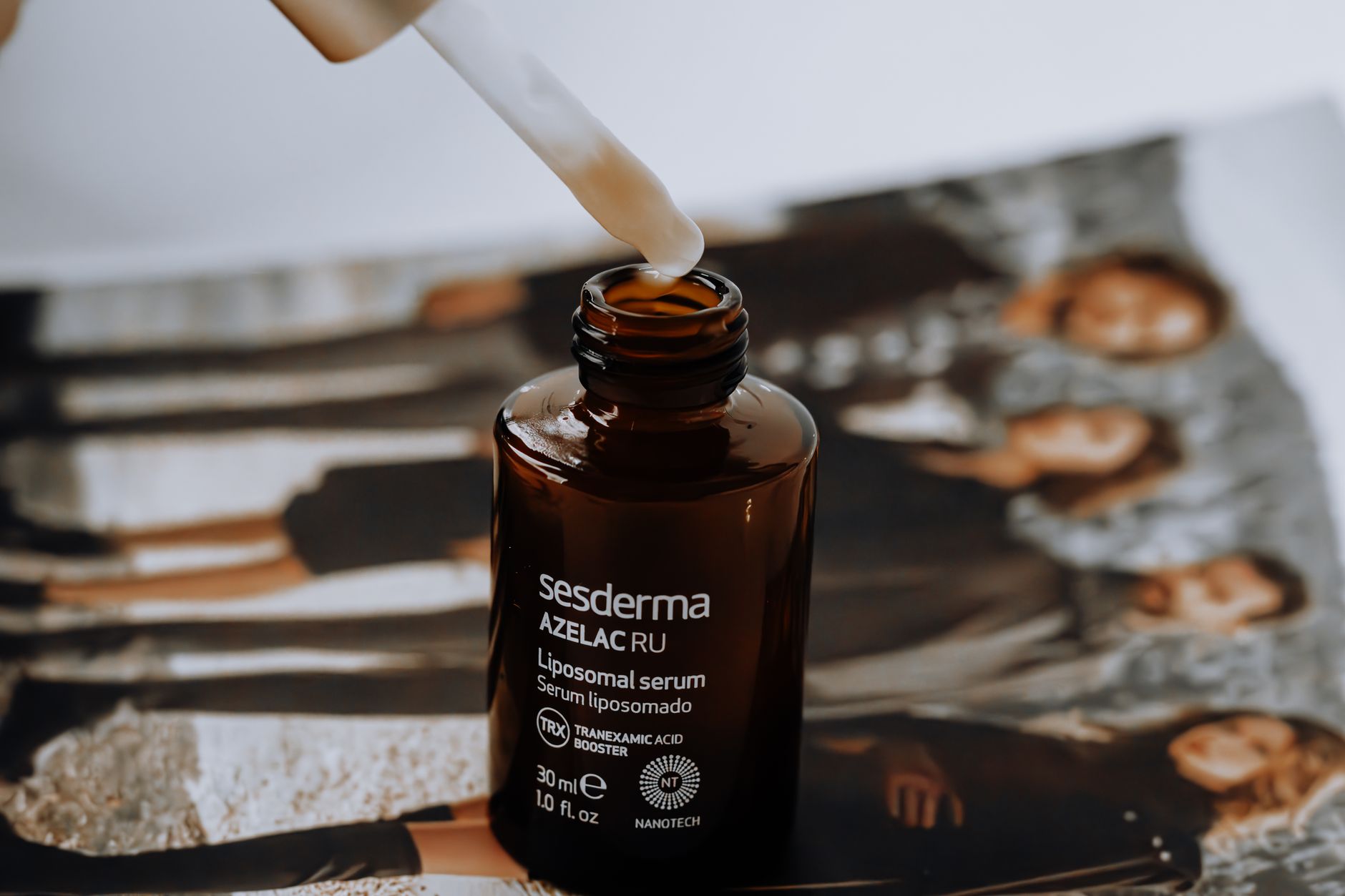
I would not choose a vitamin C serum from a “brightening” claim alone. For sensitive skin, the smaller details matter more.
- Vitamin C form: L-ascorbic acid can be effective, but it is often more demanding. Derivatives such as sodium ascorbyl phosphate, ascorbyl glucoside, and magnesium ascorbyl phosphate may feel easier for some reactive skin types.
- Strength: lower percentages are not a failure. A mild serum used consistently is more useful than a strong serum you abandon after two irritated mornings.
- Formula style: watery serums can feel light, while oilier formulas may buffer the feel but can bother acne-prone skin.
- Fragrance and extras: scented formulas, essential oils, exfoliating acids, and too many botanical extracts can make troubleshooting harder.
- Packaging: opaque or air-restrictive packaging is usually better than a clear dropper bottle sitting in bright bathroom light.
Shortlist by Skin Situation
| If your skin is… | Compare first | Be careful with |
|---|---|---|
| Very reactive or redness-prone | Lower-strength derivative serum | Strong L-ascorbic acid, fragrance, acid blends |
| Dry and dull | Creamy or hydrating antioxidant serum | Watery formulas that leave skin tight |
| Oily or breakout-prone | Lightweight serum, simple ingredient list | Heavy oil-based formulas |
| Barrier-damaged | Pause vitamin C until skin calms | Starting any brightening active during a flare |
| Already using retinoids or acids | Slow alternate-day use | Layering too many actives in one routine |
Serum Types Worth Comparing
These are product categories rather than a universal ranking. The right choice depends on your tolerance, your routine, and the exact label in front of you.
Low-strength vitamin C derivatives
This is where I would usually start for sensitive skin. A derivative serum may not feel as dramatic as a high-strength L-ascorbic acid product, but it can be easier to introduce. Look for a short ingredient story, a comfortable texture, and directions that do not require daily use from day one.
Best fit: beginners, redness-prone skin, people who have stung from strong vitamin C before. Less useful for: someone chasing the most intensive brightening routine and already tolerating actives well.
Hydrating antioxidant serums
Some vitamin C formulas are built with humectants or soothing support ingredients, which can make them friendlier for dry or tight skin. I would still check whether the formula includes fragrance or extra acids, because “hydrating” does not automatically mean gentle.
Best fit: dry, dull, or slightly uneven-looking skin that also needs comfort. Less useful for: oily skin that dislikes tacky or cushiony textures.
Stronger L-ascorbic acid serums
These can be effective, but they are not the first lane I would choose for easily irritated skin. If you go this route, introduce it slowly and avoid pairing it with exfoliating acids or retinoids at the same time. A slight tingle is one thing; burning or lingering redness is a stop sign.
Best fit: skin already comfortable with actives. Less useful for: damaged barrier, frequent flushing, or anyone currently simplifying their routine.
Oil-based or emulsion vitamin C formulas
These can feel softer on dry skin, but they are not automatically better. If your pores clog easily or sunscreen already feels heavy, test carefully. The texture may matter as much as the active ingredient.
Best fit: dry skin that likes a more cushioned finish. Less useful for: oily or congestion-prone skin.
How to Introduce Vitamin C Without Overdoing It

Start with one or two mornings a week. Keep cleanser, moisturizer, and sunscreen unchanged so you can tell what the serum is doing. If your skin stays calm, increase slowly. If it stings hard, flushes, or leaves your face tender, stop and return to a simpler routine.
I would not start vitamin C on the same day as a new retinoid, exfoliating toner, acne treatment, or sunscreen. That is too many variables. Sensitive skin usually gives clearer feedback when you change one thing at a time.
What to Avoid
- Strong acid blends: vitamin C plus exfoliating acids can be too much for reactive skin.
- Fragrance-heavy formulas: not everyone reacts, but fragrance makes sense to avoid when your skin is unpredictable.
- Daily use from day one: slow use is not a setback; it is often the reason the product becomes usable.
- Using oxidized product: if the color, smell, or texture changes noticeably, check the label guidance and consider replacing it.
- Skipping sunscreen: vitamin C does not replace SPF. If you use it in the morning, sunscreen still matters.
Bottom Line
For sensitive skin, the best vitamin C serum is the one your skin can tolerate consistently. Start with a gentler form, a lower strength, and a plain routine around it. If your skin is already upset, fix the barrier first. Brightening can wait; irritation tends to be louder.
Frequently Asked Questions
Is vitamin C safe for sensitive skin?
It can be, but it depends on the formula and your current skin condition. Sensitive skin often does better with lower-strength or derivative formulas introduced slowly.
Should I use vitamin C every day?
Not at first. Try one or two mornings per week, then increase only if your skin stays calm.
Can I use vitamin C with retinol?
Some people can, but sensitive skin should be cautious. Use them at different times or on alternate days, and avoid starting both at once.
What should I do if vitamin C stings?
Stop using it and simplify your routine. If burning, swelling, rash, or pain persists, get professional medical advice.
Sources
Disclaimer
This article is for educational purposes only and is not medical advice. If you have severe irritation, eczema, rosacea, acne, allergies, or a persistent skin condition, consult a dermatologist before changing your skincare routine.